An apartment viewing checklist before buying
Look beyond the interior when viewing an apartment. Consider the building, practical layout and questions that need separate verification.
An apartment viewing is most useful when you leave with a clear record of what you saw, what you were told and what still needs checking. Attractive furniture and fresh paint can dominate the first impression, while the entrance, storage, noise and service access receive little attention. Use a repeatable route so each home is assessed on the same practical basis.
A viewing is not a technical inspection or a substitute for checking transaction documents with the appropriate professional. It is a way to identify whether the home suits your life and where further investigation is needed. Bring a short list, a tape measure and a way to take notes. Ask permission before photographing private rooms or belongings.
Prepare your non-negotiable needs
Write down the features that genuinely determine whether the apartment works for you. These may include access without difficult stairs, a separate sleeping room, space for a desk or a practical place for a bicycle. Separate essential needs from preferences such as a particular wall colour or the current owner’s furniture.
Review the advertisement and mark missing information rather than filling gaps with assumptions. Is the storage room shown? Is the balcony part of the apartment you will view? What is included in the stated layout? Bring these questions with you so they are not lost once conversation turns to decorative details.
If a floor plan is available, look at it before the visit. The floor-plan reading guide explains how to examine circulation and furniture use without treating every illustrated object as accurately scaled. Mark the measurements that matter for furniture you intend to keep.
Begin outside the apartment door
Approach the building as you would on an ordinary day. Look at the route from public transport or parking, the entrance steps and the way doors open. Consider carrying groceries, moving a pushchair or bringing in a bicycle. A convenient apartment interior may still be reached through an awkward daily journey.
Observe the common areas you are permitted to enter: stairs, lift, corridors and shared storage access. Note visible damage or maintenance questions without deciding their cause yourself. Ask who can explain planned work and the current arrangements for shared spaces.
If an allocated storage area or parking place is part of the offer, ask to see the actual location and clarify how its use is documented. Do not substitute a verbal description of somewhere downstairs for seeing whether it suits the intended purpose. Record which spaces you did not see, because an unvisited area is an unanswered question rather than a confirmed benefit.
Walk through the layout in everyday order
Move from the entrance to the kitchen, bathroom, living space and bedrooms. Imagine an ordinary morning and evening. Can someone use the bathroom while another opens the wardrobe? Does the route between rooms pass through a sleeping area? Is there a sensible place for bags and outdoor clothing?
Look at the apartment independently of its current furnishings. A room may look generous because it contains a smaller bed than yours or no working desk. Measure the positions that matter and include door swings, radiators and window access. A sofa fitting against one wall does not prove there is room to use it comfortably.
Notice unusual corners, narrow sections and service enclosures. These features are not automatically defects, but they affect how the space can be used. If your idea depends on changing a wall or moving equipment, record it as a proposal requiring assessment, not as an easy future improvement.
Check light, outlook and sound
Stand in the places where you would spend time rather than looking only from the doorway. Observe the available daylight and what is visible through the windows. Consider whether privacy would require curtains to remain closed and how that would affect the room’s use.
Pause the conversation briefly to listen. Notice traffic, building equipment and sound from shared areas if present. A quiet moment does not establish that the apartment is always quiet, so ask about different times and consider a second visit when your main concern is more likely to be observable.
Open or operate windows only with permission and without forcing anything. Ask about controls and maintenance where the mechanism is unfamiliar. Note the view and access rather than making technical claims about insulation from a short visit. The neighbourhood selection guide helps extend these observations beyond the apartment itself.
Observe condition without improvising tests
Look systematically at accessible walls, ceilings, floors and the areas around windows and fixtures. Record stains, cracks, loose finishes or unusual smells with their locations. A visible sign can justify a question, but it does not establish the cause, extent or remedy on its own.
Ask what work was done, when it was done and what records exist. Distinguish a seller’s explanation from documented information and from your own observation. If something concerns you, arrange an appropriate independent assessment before relying on reassurance alone.
Do not remove covers, open electrical equipment or disturb concealed installations during a viewing. TTJA’s home safety guidance emphasises competent assessment of building systems. A viewing checklist should help you identify questions for a specialist, not encourage unsafe experiments in somebody else’s home.
Give the kitchen and bathroom enough attention
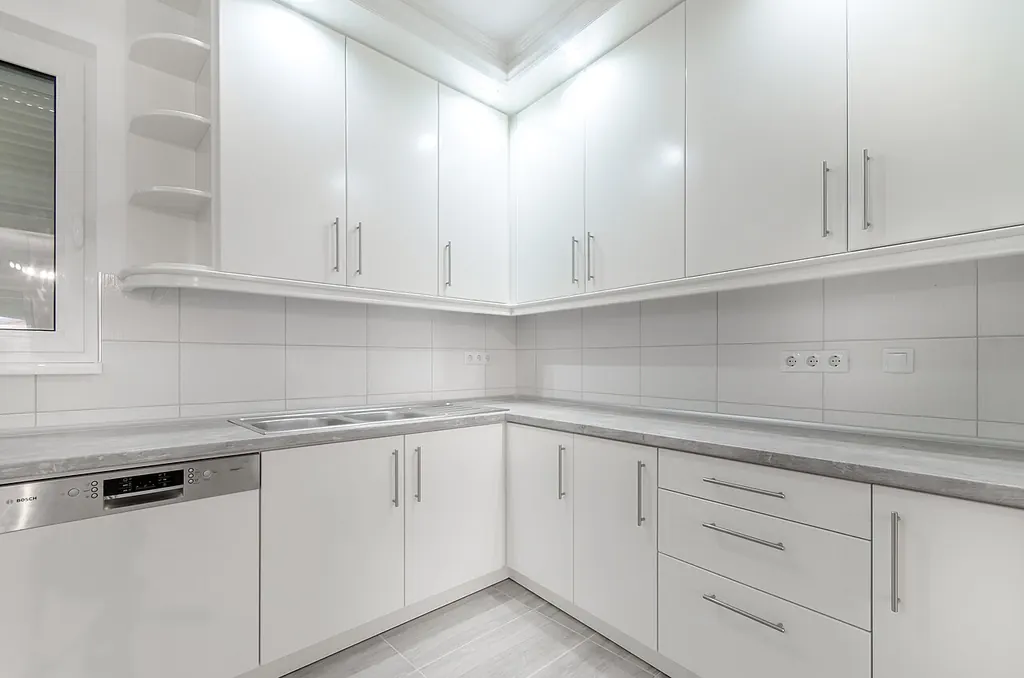
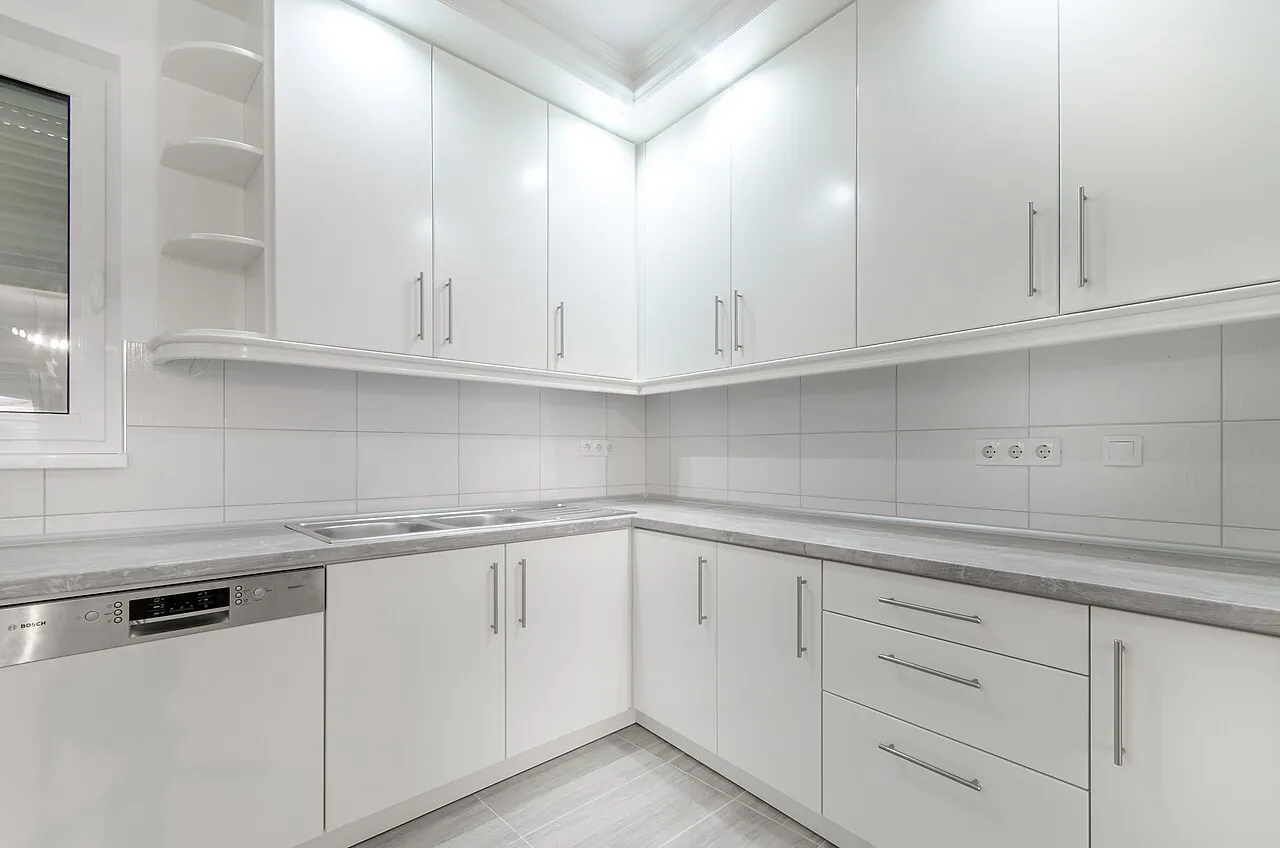
With permission, check ordinary operation of accessible taps, cabinet doors and included appliances where a demonstration is practical. Look at whether equipment can be reached for maintenance. Note awkward gaps, doors that collide and storage that cannot be used without blocking another activity.
Ask about ventilation and the arrangements serving the room. An open window, a fan or a grille does not by itself explain how the whole system works. If there is a persistent concern about moisture or operation, seek a technical assessment rather than drawing conclusions from the presence of a single device.
In the bathroom, ask about previous renovation records and what is known about concealed work. New-looking tiles do not answer those questions. The bathroom renovation guide outlines the types of information that are useful when discussing waterproofing, access and the work sequence.
Ask for information that resolves specific questions
Instead of asking whether everything is in good condition, name the point you need clarified. For example, ask who carried out a particular alteration, whether a relevant drawing exists or how a service panel is accessed. Specific questions are easier to answer and easier to record accurately.
Request the appropriate building and apartment records through the relevant parties, and have technical or legal questions assessed by the professionals responsible for them. Check that descriptions, drawings and the observed layout are consistent. If they differ, identify the difference and seek an explanation rather than treating any single document as proof of the entire current situation.
Keep financial and transaction decisions separate from the visual viewing. This guide helps with observation and practical suitability; it does not determine ownership rights, contractual terms or whether a purchase is appropriate for you. Those questions need their own verification before commitment.
Record the result before the next viewing
Immediately after leaving, divide your notes into observed facts, statements from the host and unresolved questions. For example, saw the storage room is different from was told storage is available. This distinction becomes valuable when several apartments begin to blend together in memory.
Compare each home against the same essential needs. Note one or two substantial strengths and the specific compromises you would have to live with. Avoid giving fresh paint more weight than a layout that prevents your everyday activities.
Before arranging a next step, send yourself a clear action list: obtain a document, measure a location, revisit at another time or arrange a specialist inspection. A successful viewing does not require an immediate yes or no. It should leave you knowing what the apartment offers, what remains uncertain and how to resolve the uncertainty.