Leaf mould in a small garden: organise a separate autumn supply
Set up a manageable autumn leaf collection with separate yearly batches, clear labels and simple checks before using leaf mould around your garden.
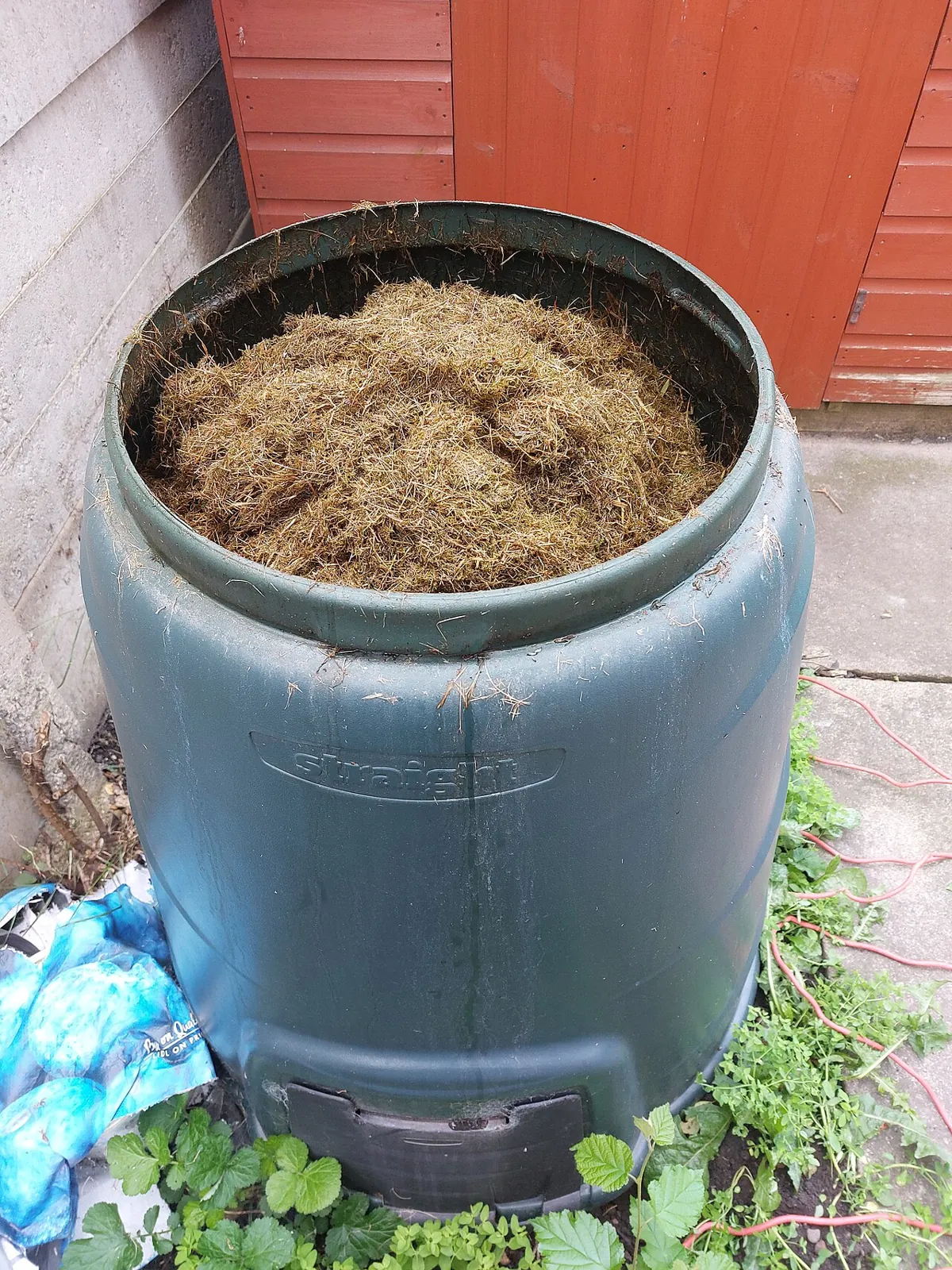
Autumn leaves can fill a small garden's usual compost bin surprisingly quickly. One option is to collect suitable leaves separately and allow them to break down gradually. This gives leaf clearing a defined destination and creates a supply for later garden work. Start with a modest batch that you can place, label and inspect without reorganising the whole garden.
Think beyond a single weekend. The rate of decomposition depends on the leaves and conditions; a date written on a calendar does not make material ready. A small first batch shows how much space your own garden's leaves occupy. It also reveals whether the chosen location remains accessible after rain and whether retrieving the material will be straightforward later.
Set a boundary before collecting
Choose somewhere accessible in wet weather that does not obstruct the shed door or wheelbarrow route. Picture the whole journey from the lawn to the collection point. Carrying every bag up steps and through several gates soon makes an attractive plan inconvenient. A useful location sits naturally within your clearing route rather than simply being the least visible corner.
Deliberately limit the first year. You might collect leaves from one lawn or beneath two trees. Avoid immediately offering to take leaves from the entire neighbourhood. Other people's material brings sorting work and less certain provenance. A small portion of your own garden provides enough information to improve next autumn's arrangement.
Separate leaves from general garden clearance
Remove packaging, string, plastic and other litter before gathering the leaves. Foreign objects are easier to spot while the material is spread out. Searching for them later in a tightly packed bag is unpleasant. Do not automatically regard leaves collected beside a public road as equivalent to leaves from your garden. Where the material came from matters.
Keep this supply's purpose clear: it is primarily for leaves. Kitchen scraps and large branches alter the mixture and its management. Use your normal appropriate disposal or composting arrangements for those materials. If plants show signs of disease, consult guidance for the particular problem. A domestic leaf pile is not a controlled heat treatment, so do not assume that it will sanitise affected material.
Choose one manageable collection method
The Royal Horticultural Society describes collecting leaves in an airy enclosure or perforated bag, moistening dry leaves and tying bags loosely. An existing sturdy bag can be suitable for a first experiment if you can inspect its condition. Avoid filling it so heavily that handles or seams fail. Place it where incidental drainage will not damage a surface.
For a permanent enclosure, measure the proposed space and the width of your wheelbarrow before building. Keep sharp mesh edges and fixings safely contained. Capacity is only part of convenience: you also need to retrieve the finished material. A tall enclosure in a tight corner may be easy to fill from above but awkward to empty when you finally need its contents.
Label the year and preserve separate batches
Give each bag or compartment a visible label recording the collection year, origin and one useful note. For example: “2026, back garden, October collection.” Use a label that survives outdoor conditions. A phone note saying “left-hand bag” becomes meaningless as soon as somebody moves the bags to clear a path. Keep the record physically connected to its material.
Keep next year's fresh leaves separate from the older batch. This is the most useful organisational step in the system. Otherwise, every autumn produces another mixture of fresh and partly decomposed leaves whose readiness is difficult to judge. When space is limited, collect a smaller new batch rather than repeatedly burying last year's work. Each batch should retain a clear identity.
Inspect occasionally without demanding speed
Combine checks with another garden job. Is the label still attached, is the container intact, and have the leaves dried out completely? RHS guidance suggests moistening and turning dry, slow-moving material when needed. This is maintenance, not a reason to dismantle the whole supply every day. A modest garden resource should not become a project requiring constant supervision.
Take small samples from different positions. The surface does not necessarily represent the middle. If one side is dry while another is heavily compacted, record what you see and adjust your attention accordingly. Do not add random accelerators merely because a neighbour's pile looks different. Different starting material and conditions need not produce identical results on the same date.
Judge readiness for the intended use
RHS distinguishes younger material that still resembles leaves from finer, more thoroughly decomposed leaf mould. The former can be suitable as a surface mulch in an appropriate location; the latter has wider uses. Do not assume that autumn leaves will replace every seed-sowing mixture by the following spring. Leaf mould is not automatically a complete, all-purpose growing medium.
Make the first application on a small, defined area. Notice how much material you use, how easily it spreads and whether large pieces or litter remain. This gives you a practical reference for the next batch. If the texture is too coarse for the intended job, allow more time or choose a suitable use. An urgent need for potting material does not change what is in the bag.
A three-bag example
Imagine a garden with space for three bags beside the shed. The first fills during early October clearing, the second receives later leaf fall, and the third remains in reserve. All share the same year label but have different collection dates. The gardener declines additional leaves because the space limit has already been agreed. This is an organisational example, not a recommended bag quantity or completion timetable.
In spring, the gardener checks the contents and container condition. If the material is not ready for the planned use, decomposition continues. The following autumn, a separate location is found for a new batch or collection is reduced. The arrangement works because future space requirements are considered before another overflowing wheelbarrow arrives.
Keep only the records that help
Record where the leaves came from, how much collection space they required and which tasks were awkward. Do not measure success by the size of the pile. In a small garden, a clear path, readable label and accessible batch are valuable outcomes too. The scale should reflect work you actually plan to do.
If supply exceeds use, collect less next year and check local options for the remainder. Municipal arrangements for receiving garden waste vary, so confirm them before travelling. Assign one person to maintain labels even if everyone helps collect. A brief household agreement about where fresh leaves belong prevents an older batch accidentally becoming the general collection point again.