Autumn garden jobs: a practical plan before winter
An autumn garden does not need to be stripped completely bare. Begin with essential maintenance and consider plants individually.
Autumn garden work is easier when you separate urgent protection from tasks that can wait. A tender container plant facing unsuitable temperatures needs a decision before a decorative border needs to look tidy. Start with the forecast, the condition of the ground and the plants you actually grow, then choose a manageable sequence.
Use the following plan as a way to organise the work, not as a fixed calendar for every Estonian garden. Coastal exposure, inland frost, shelter and individual plants can change the timing. Advice written for a milder country may explain a useful technique without providing the right month to use it in your own location.
Walk around before collecting tools
Take a short circuit of the garden and identify three groups: things that obstruct normal use, plants or equipment needing timely protection, and improvements for later. Begin at the entrance and follow the paths you will still use during winter. Notice slippery leaf accumulations, loose objects and places where water is collecting unexpectedly.
Write specific actions instead of a general instruction to tidy the garden. “Clear the route to the compost bin” is easier to complete than “sort out the back corner”. Identify the destination for anything you remove. Otherwise, a productive-looking afternoon can merely transfer leaves, pots and tools into another obstructed part of the garden.
Match tasks to the available conditions. Use a suitable dry period for work that requires drying before storage, and keep sheltered sorting or planning for poor weather. Do not begin several jobs that all need finishing before rain if there is time to complete only one. A finished small task is easier to manage than several half-open projects.
Decide where fallen leaves belong
Clear leaves where they interfere with safe access and normal use, while assessing planted areas separately. The whole garden does not need to be treated like a path. The Xerces Society describes fallen leaves and stems as habitat for overwintering invertebrates. Retaining suitable undisturbed areas can therefore be part of an intentional garden plan.
Choose a place for leaves that must be moved. Keep it away from routes you need and check that it will not immediately blow back onto the surface you have cleared. Avoid mixing litter, plant labels or other non-plant material into the pile. A clean collection is easier to use and inspect later.
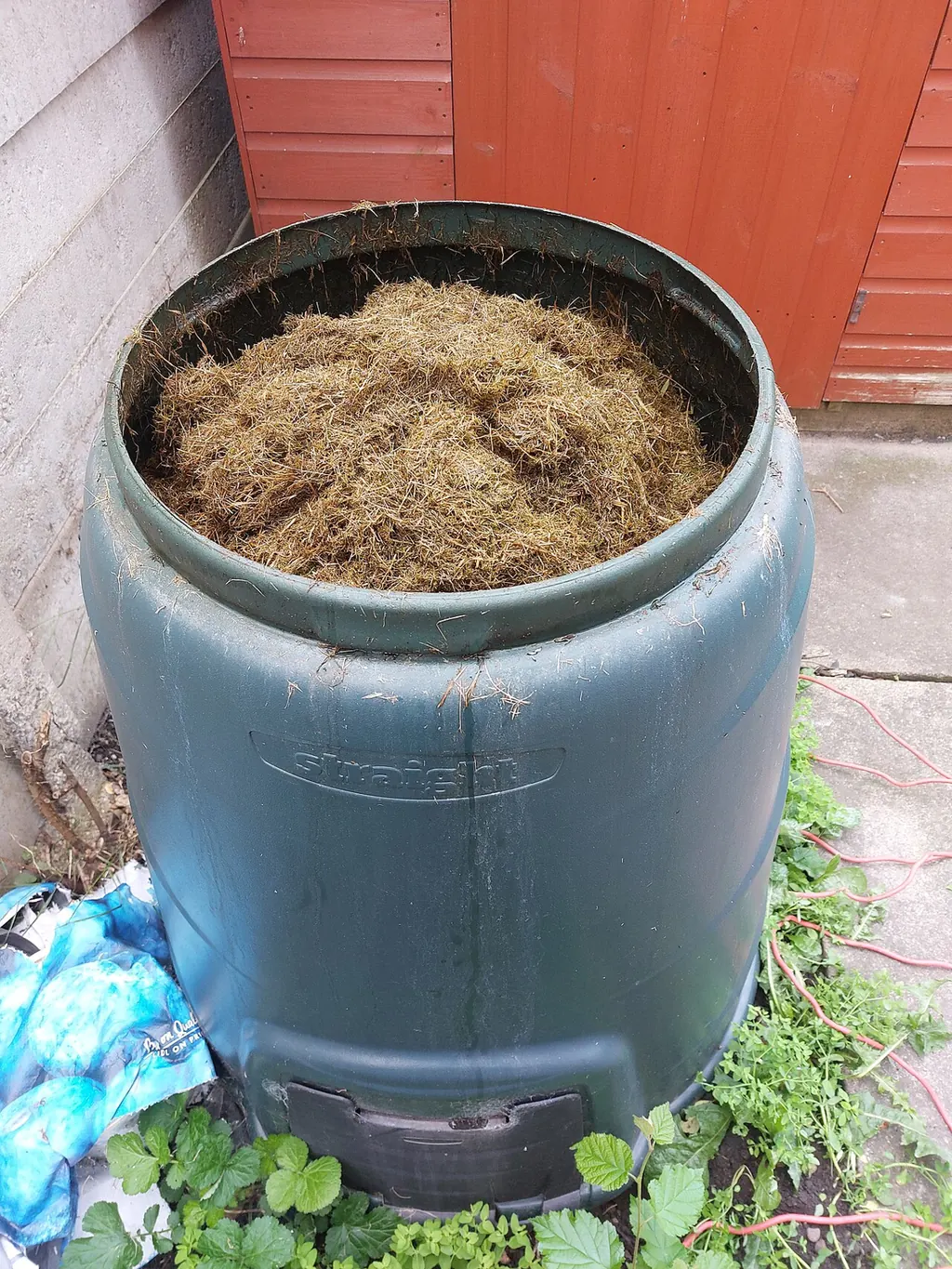
If making leafmould, the RHS leafmould guide describes allowing collected leaves to decay into a soil conditioner. Keep the material suitably moist and contained rather than expecting a dry, scattered heap to transform quickly. Leaf type and conditions affect progress, so do not plan on a guaranteed finished product by a particular spring date.
For a wildlife area, avoid unnecessary disturbance of the material you have chosen to retain. For ordinary composting, add appropriate ingredients through a system you understand. The garden composter guide helps distinguish a managed mixed compost heap from a separate leaf collection, so neither becomes an unexplained dumping place.
Assess perennials before cutting anything back
Identify the plants and decide what can remain through winter. Strong standing stems and seed heads may provide structure, while collapsed material across a path has a different practical role. The RHS guide to cutting back perennials supports selective decisions rather than treating every plant alike; evergreen perennials also need a different approach from plants that die back.
Do not cut a plant merely because the neighbouring one has been cut. Look for its label, original planting record or a reliable identification before choosing the method. When unsure, mark it for further advice. An autumn tidy-up should not become an irreversible experiment on a plant whose growth habit you have not established.
Separate material with suspected disease from the routine collection until you know the appropriate handling. Follow guidance for the identified problem and local disposal arrangements instead of assuming a home compost heap will solve everything. Keep tools and collected material organised so an uncertain plant problem is not spread through the whole cleanup process.
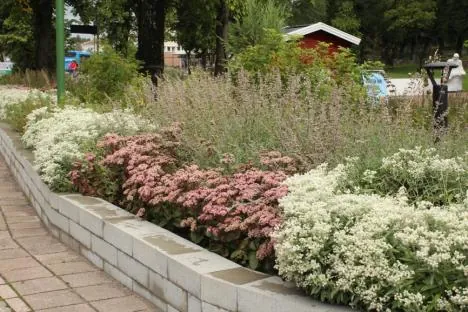
Photograph the border while the positions are still clear. Mark gaps, overcrowded patches and plants that leaned into the path. Use those observations in the perennial border planning guide. Planning a change now does not mean you must dig immediately, especially when ground conditions or the species’ requirements make another time more suitable.
Make pruning decisions by species
Avoid an all-purpose autumn pruning session for every shrub. The correct treatment depends on the plant, its flowering habit and the reason for the cut. A shrub that blocks a route requires identification and a considered solution, rather than an automatic reduction to the same height as everything around it.
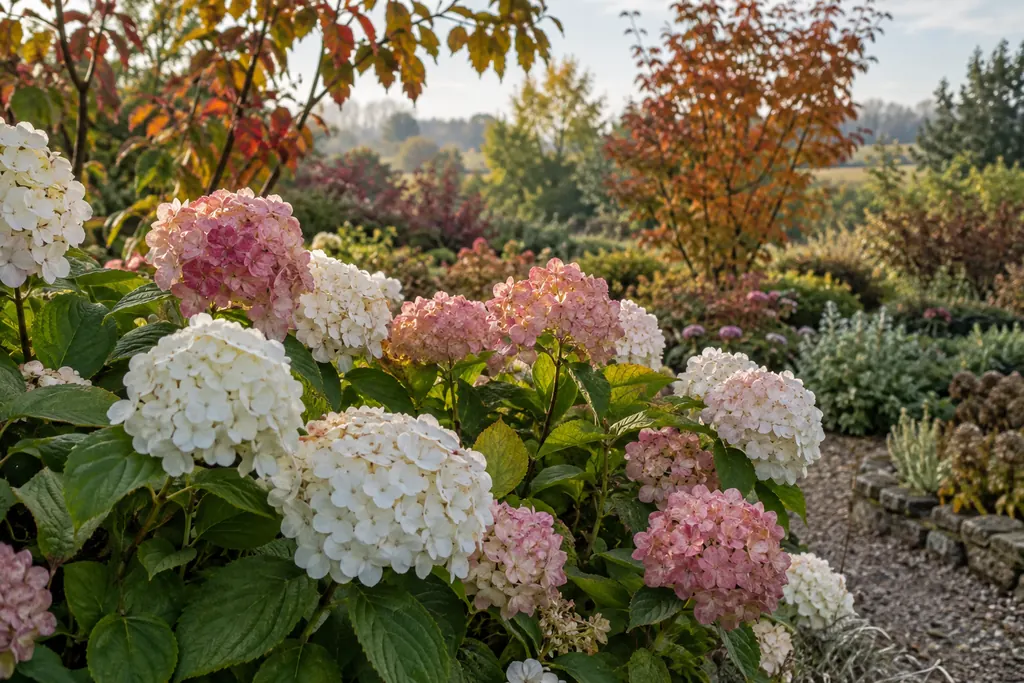
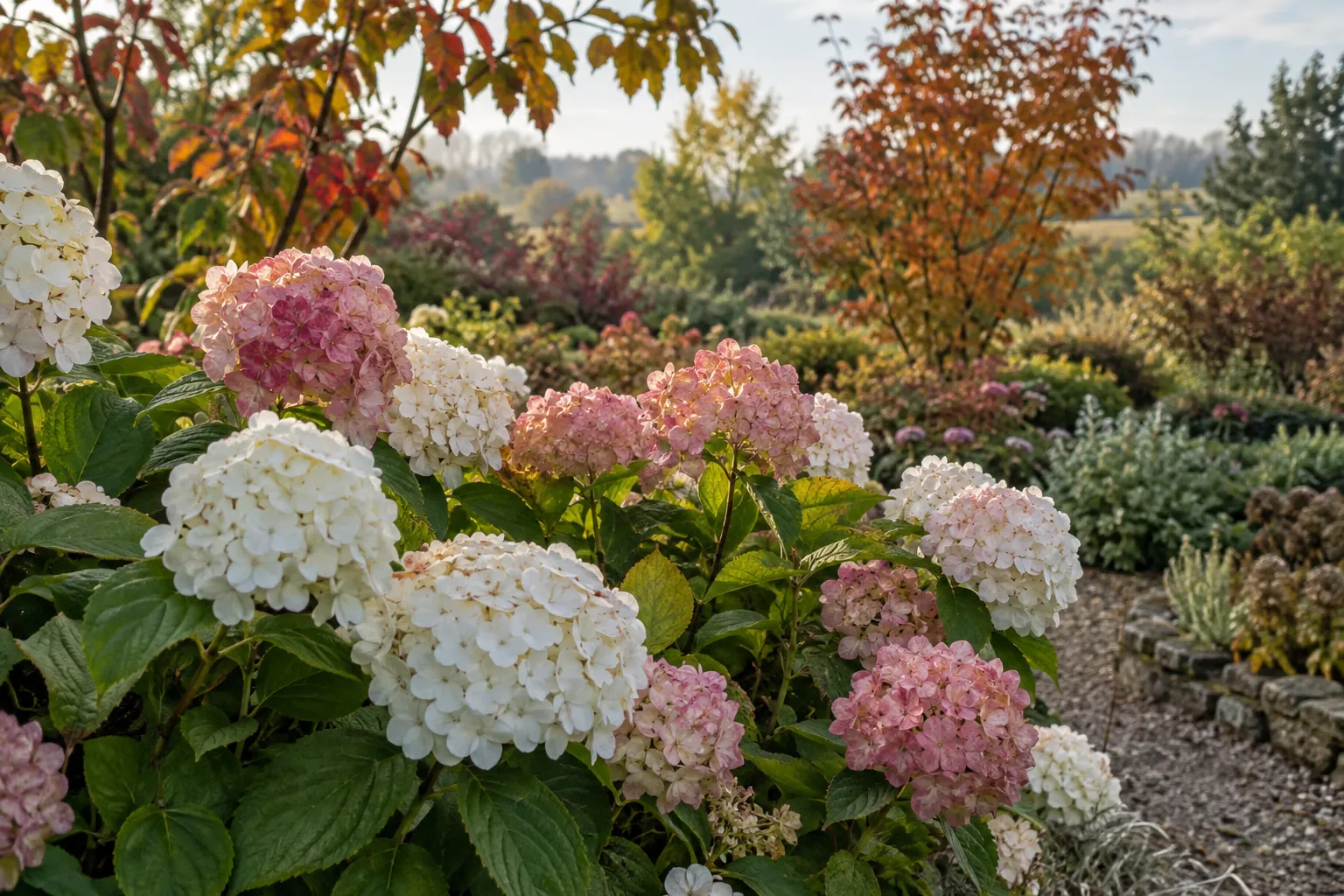
Hydrangeas are a useful example of why the name matters. Read the hydrangea care and pruning guide to distinguish the relevant groups before removing stems. A remembered instruction for one hydrangea should not be applied blindly to another simply because both carried large flowers during summer.
Make a separate list of pruning questions that can wait for an appropriate season or competent advice. Record the plant’s name, location and purpose of the proposed work. This prevents a vague intention to “reduce the shrubs” from turning into repeated cutting without a clear reason or understanding of the expected result.
Prepare a place for vulnerable container plants
List the plants that need a different winter arrangement and confirm their individual temperature, light and care requirements. A spare room, unheated shed and sheltered outdoor corner are not interchangeable destinations. Choose the receiving place before moving the pot, and check that it can support the plant rather than merely sheltering the container from rain.
Inspect plants and containers before bringing them among an existing indoor collection. Keep names and care information attached. Measure large pots and the route through doors, and arrange help where lifting would be awkward. Do not leave a heavy plant halfway along a passage because the final position has not been cleared.
For containers remaining outside, review drainage, stability and the product’s suitability for winter conditions. Follow plant-specific protection guidance and the container manufacturer’s instructions. An outer decorative pot can conceal collected water, so check the actual arrangement rather than assuming a tidy surface means the roots and container are suitably prepared.
Continue checking plants after moving them. A new location changes the care situation, and protection is not finished merely because the pot has crossed a doorway. If supplementary light is needed, consult the grow-light guide and assess the real position instead of relying on how bright the room looks to you.
Keep soil work proportionate to conditions
Look at the ground before deciding to dig, divide plants or move heavy materials across it. RHS guidance on waterlogging advises keeping off unsuitable wet soil to avoid compaction. Postpone nonessential work until conditions are suitable. A calendar entry is a reminder to assess the opportunity, not an obligation to complete earthworks on that exact weekend.
For new planting, check the species, the plant material and local seasonal guidance. Do not assume every perennial, shrub or bulb shares one autumn planting window. Prepare the intended location and any necessary identification before buying more plants. A temporary pile of unplanted purchases creates a new care task just as the season is becoming less predictable.
Use compost or other amendments for a defined purpose. Check what you have, whether it is ready and whether it suits the intended use. Adding a material because autumn has arrived is not a substitute for understanding the soil or the plant. Keep any planned changes modest enough that you can observe their results later.
Put water equipment, furniture and tools away properly
Review outdoor taps, hoses, irrigation components and any other water equipment against their own winter instructions. Identify what needs draining, disconnecting or specialist attention before freezing conditions arrive. Do not assume all systems are winterised by turning a visible handle; the correct process depends on how the equipment is installed.
Clean tools according to their materials and instructions, allow appropriate drying and check for damage. Store sharp or powered equipment securely, with batteries and other components handled as their manufacturer specifies. Keep a short repair list so a damaged item is dealt with before it is needed urgently next season.
Prepare furniture for its actual storage method. Clean and dry components as directed, label dismantled fittings and check that covers or cushions have a suitable place. The garden furniture guide helps assess folded dimensions and storage requirements. Do not seal an unresolved moisture problem inside a cover and consider the job finished.
Finish with a short review, not another long list
After each work session, check that paths remain clear and that bags, tools and removed parts are in their intended places. Note only unresolved actions with a reason and a next step. For example, identifying an unknown shrub is a useful task; repeatedly writing “finish garden” is not.
Keep a few photographs showing the garden before winter and add brief observations about what worked during the season. Record successful plants, inconvenient access and areas that need reconsideration. These details will be more useful for next year’s choices than trying to remember the whole garden after foliage has disappeared.
The aim is a garden prepared for the coming conditions, with essential access, appropriate plant care and equipment stored correctly. Some stems, leaves and future improvements can remain. Finish the necessary work in a sequence that you can maintain, then reassess as the weather and the garden change.