Apartment or house: compare everyday living
The choice depends on routines and responsibilities. Imagine a normal week, not only a summer day off.
Choosing between an apartment and a house is mainly a choice about how you want daily life to work. Extra rooms, a garden or a central location can be attractive, but each matters only in relation to the activities you actually do. Start with routines and responsibilities, then compare specific homes against them.
There is no reliable rule that every house offers privacy or every apartment is easy to maintain. A compact house near services can behave very differently from an isolated property with several outbuildings. Two apartments in the same area may have completely different entrances, storage and building arrangements. The useful comparison is between real options, not idealised labels.
Describe an ordinary week before choosing a building type
Write a short account of weekday mornings, working hours, evenings and weekends. Include everyone who will live in the home. Note which activities happen together and which need separation, such as cooking while another person joins an online meeting or a child sleeps.
Add the things that currently create friction. Perhaps outdoor equipment fills the hallway, a second workspace is missing or most free time is spent travelling. These are clearer decision criteria than a general wish for “more space”. More floor area will not solve a route problem if the new rooms connect badly.
Describe one inconvenient day as well: heavy rain, a late arrival, a delivery and an unfinished household task. A home that works only in your imagined ideal weekend is not a complete fit. Compare how each option supports both enjoyable activities and ordinary interruptions.
The result should be a small set of essential functions. For example, two separate work areas, a manageable route from the entrance and accessible equipment storage. Keep decorative preferences in a separate group so they do not obscure these requirements during viewings.
Compare useful space rather than room count alone
A house may offer distinct rooms, an outbuilding or more outdoor storage. It may also have circulation space, stairs and rooms that are difficult to furnish. An apartment may be compact but well connected, or it may require several activities to share the same area.
Draw a simple use plan for each candidate. Mark where work, sleep, dining, laundry and storage would happen. Then check whether those uses can coexist. A guest room that must function as a daily office needs a plan for the occasions when both uses are required.
Consider the route between activities. Carrying laundry between floors, reaching a remote storage shed or moving a bicycle through several doors may be acceptable, but it should be a conscious choice. Space that is awkward to reach often becomes less useful than its size suggests.
Use the apartment floor plan guide for a method of checking furniture and movement. The same habit of measuring usable dimensions helps when assessing individual rooms in a house. Do not count a future conversion as existing usable space before its feasibility is established.
Decide how much coordination you want to handle
A separate house can mean arranging a wider range of tasks directly: building maintenance, outdoor care, equipment servicing and access during bad weather. The exact workload depends on the property and the services available. Ask the current occupant to describe a normal year of practical tasks.
In an apartment building, some tasks are coordinated collectively, while others remain connected to the individual home. You still need to understand how decisions, repairs and communication work in that specific building. An apartment does not automatically mean that everything outside its door runs without your involvement.
Separate doing a task from arranging it. You may prefer to use professionals, but somebody still needs to identify the need, schedule access and keep records. Ask whether that coordination fits your time and interest, particularly if you travel often or have an unpredictable routine.
Make a realistic responsibility list rather than a promise to become a different person after moving. If garden work sounds attractive once a month but you dislike ongoing outdoor tasks, explore what a smaller manageable plot would mean instead of choosing the largest garden available.
Treat outdoor space as a specific use
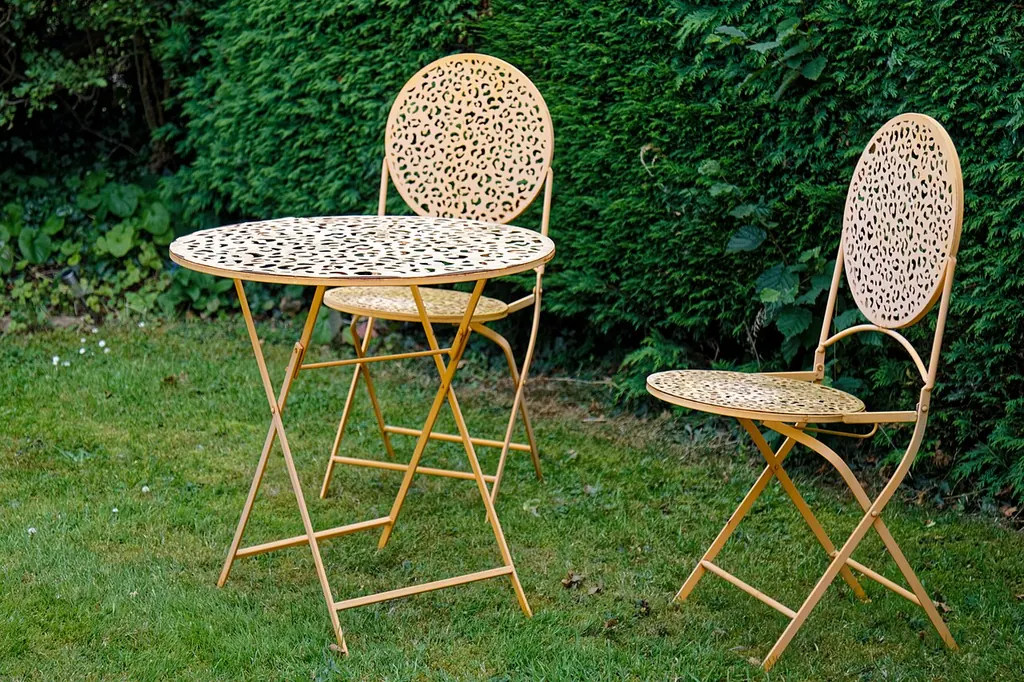
Describe what you want to do outside: eat a meal, grow plants, store sports equipment or play with children. These uses need different conditions. A broad lawn is not equivalent to a sheltered seating area, and a sunny balcony is not the same as a private garden.
Consider access from the rooms you use most. An outdoor area reached directly from the kitchen may become part of daily life, while one reached through a long sequence of doors may be used less often. Look at storage for cushions, tools and other items associated with the activity.
Ask how the space works across seasons. Wet surfaces, leaves, snow and the need to move furniture change the experience. You do not need a perfect garden design at the outset, but you should understand the recurring work attached to the outdoor use you want.
An apartment with suitable shared surroundings may meet your needs, while a house with an awkward plot may not. Visit the actual outdoor space rather than deciding from a listing photograph. Check the conditions of shared use separately instead of assuming that everything visible is available to you.
Examine privacy and sound at the actual property
Detached walls do not guarantee a quiet setting. A house may be close to neighbours, a busy route or an active outdoor area. An apartment’s experience depends on its position, layout and building, not merely on being part of a larger block.
At a viewing, pause in the rooms where sound matters most and note the time and conditions. Look at windows, neighbouring sightlines and the relationship between shared routes and private areas. Ask about anything you cannot identify, while keeping explanations separate from your direct observations.
Think about privacy within the household too. A house with open connected rooms may offer less separation for simultaneous activities than an apartment with a sensible closed-room layout. Identify where someone can work, rest or have a conversation without requiring everyone else to stop their activity.
If a particular concern remains decisive, arrange a second visit where possible. The house viewing checklist and apartment viewing checklist help collect property-specific information. Neither building type should receive a favourable score purely because of a familiar stereotype.
Include everyday routes and periods away
Compare the journeys you actually make: work, education, regular activities, shopping and visits. Evaluate the route from the front door, including walking sections and access to transport. A location that appears close on a map may still require an inconvenient series of connections.
Use the neighbourhood guide to test practical routes at relevant times. Confirm current service availability when it matters. Avoid assuming that a convenient journey in one direction or on one day describes your entire weekly routine.
Now imagine being away from home. Which tasks would still require attention, and who could coordinate them? This may involve plants, deliveries, equipment or weather-related access. Compare the actual arrangements of the candidates rather than treating an apartment as automatically unattended and a house as automatically demanding.
Also consider future changes you can reasonably anticipate, such as more home working or a different need for storage. Do not attempt to predict every possible life event. Prefer a layout that can adapt to plausible changes without depending on major unverified alterations.
Make a comparison that preserves essential requirements
Create one row for each important function and one column for each actual property. Write a short factual note in each cell: where the workspace goes, how storage is reached, who coordinates maintenance and what remains uncertain. Concrete descriptions are easier to review than unsupported scores alone.
Mark an essential requirement separately from an ordinary preference. Several attractive extras should not cancel a missing function that makes daily life unworkable. If you use scores, keep the underlying notes and unresolved questions visible instead of hiding them inside a single total.
For example, one household may choose a well-arranged apartment because two work areas and a convenient route matter most. Another may choose a compact house because outdoor equipment and a directly accessible garden are central to its routine. Both decisions can be sensible when they reflect the actual homes and people involved.
Before deciding, revisit the strongest assumptions in your comparison. Confirm the space, access and responsibilities that make the preferred option attractive. A useful choice is one you can explain through everyday functions and accepted responsibilities, with the remaining property-specific checks clearly identified.