Prepare an apartment for sale before listing it
Preparation should help a visitor understand the real space and receive verifiable answers. Begin with information and everyday order.
Preparing an apartment for sale is a practical communication task: make the space easy to understand, show its actual condition and organise the information a visitor will need. A clean, usable room helps somebody assess the home. Hiding a defect or creating an unrealistic impression makes that assessment harder and can lead to disagreement later.
Start with a walk through the property as if you had never seen it before. Notice what obscures the layout, which small maintenance tasks are unfinished and what questions the room raises. Separate those observations from major renovation ideas. You can often improve presentation by cleaning, sorting and documenting before deciding whether any larger work is appropriate.
Decide what you are preparing to show
Identify the spaces included in the presentation: the apartment, balcony, storage area and any other relevant part of the offer. Confirm what furniture or equipment is intended to remain. This information affects photographs, the viewing conversation and the later handover, so it should be consistent from the start.
Make a room-by-room preparation list. Describe observable actions such as clearing the window area, cleaning the cabinet fronts or gathering an appliance instruction. Avoid a vague goal such as make it look expensive. That does not tell you what a prospective resident needs to understand about the space.
If other people live in the apartment, agree on a manageable routine for photographs and viewings. The home still has to function between appointments. A preparation plan that requires moving every daily possession out of sight several times a week is unlikely to remain practical.
Clear the layout without emptying the home
Remove objects that block routes, hide doors or prevent a visitor seeing how the room is used. Put occasional furniture and excess belongings into suitable temporary storage if that improves circulation. Keep enough ordinary furniture to communicate scale and purpose, especially where an empty room might be difficult to interpret.
Work in small groups rather than shifting clutter from one room to the next. Sort belongings into items still needed daily, things to pack early and items that will leave the household. The storage cupboard guide provides a method for maintaining those groups after the initial tidy-up.
Do not fill every cupboard with displaced objects if visitors reasonably need to see its storage capacity. Keep the contents organised and ask before opening private areas during a viewing. Clear presentation means showing usable features honestly, not making the floor look empty by creating inaccessible piles behind every door.
Clean the surfaces that reveal condition
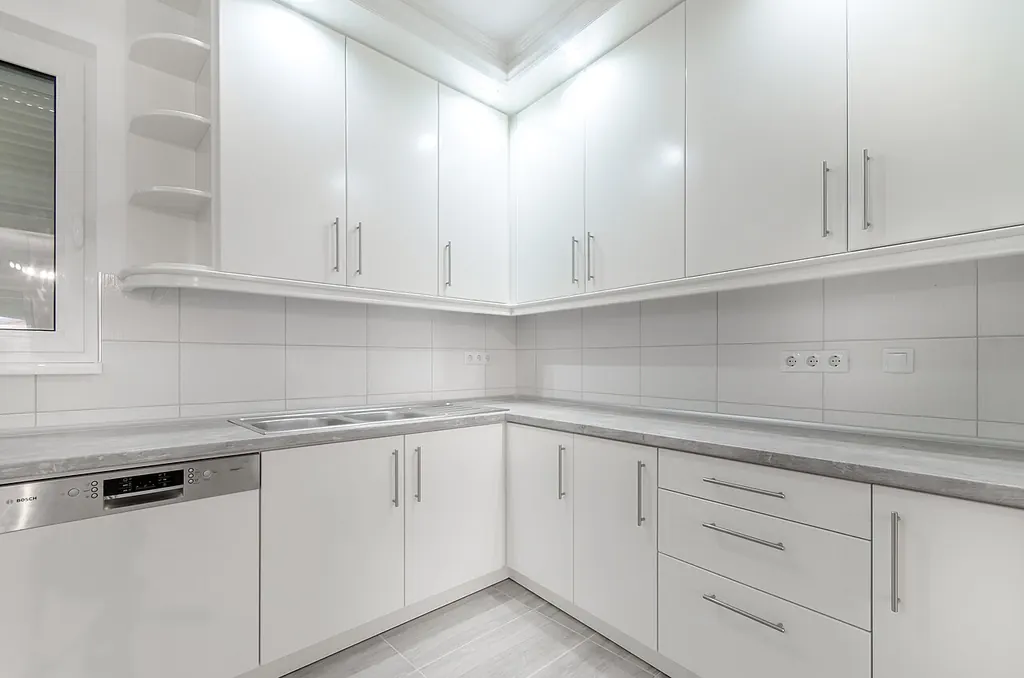
Prioritise windows, floors, sanitary fixtures, kitchen surfaces and the places people touch. Clean according to the material’s care instructions. A consistent, well-maintained appearance is more informative than a strong fragrance or a few decorative objects placed in an otherwise neglected room.
Look at corners, door edges and the areas around handles, not only the middle of a surface. Check mirrors and glass in the light under which they will be photographed. Put everyday cleaning supplies away after use so the presentation does not look like a job that stopped halfway through.
Avoid using scent to obscure an unexplained smell. Investigate the cause and describe relevant findings accurately. Similarly, do not conceal staining or damage behind furniture solely to prevent it being noticed. A visitor should be able to understand the apartment’s actual condition and identify questions for further assessment.
Separate simple maintenance from unresolved defects
List small jobs that have a clear, appropriate solution: replacing a missing ordinary handle, adjusting an accessible furniture fitting according to its instructions or arranging routine service. Technical work should be done by a suitable professional. Keep records of what was changed and avoid presenting a cosmetic touch-up as a complete repair.
If a problem’s cause is unknown, obtain an assessment before deciding how to address it. Fresh paint is not evidence that a recurring moisture problem has been resolved. A visible crack cannot be classified reliably from appearance alone. The useful outcome is an accurate description supported by the relevant work or investigation.
Major changes need their own decision process. Do not begin substantial renovation simply because an online staging list says every seller should modernise a room. Consider the actual condition, the time available and advice appropriate to the property. This article does not promise that any particular improvement will change the sale result.
Prepare a clear information folder
Gather the available plans, instructions and records of relevant work. Note where documents are missing or where the current arrangement differs from an older drawing. Have technical and transaction-specific questions checked by the appropriate people instead of filling gaps with confident-sounding claims.
Create a factual list of what remains with the apartment. Use product references where useful, especially for equipment with specific operation or maintenance needs. If an item seen in photographs will be removed, make that clear in the agreed information rather than expecting the viewer to guess.
Keep personal information separate from material prepared for visitors. A useful appliance manual does not require sharing unrelated account details or private correspondence. Decide who answers questions and how follow-up information will be supplied so different household members do not give contradictory descriptions.
Photograph a coherent route through the home
Choose images that explain the rooms and how they connect. Start with a useful overall view, then add angles that provide genuinely different information. A series of close-ups of cushions or flowers cannot replace a clear view of the kitchen, bathroom and main living spaces.
Use natural-looking light and keep the camera level where practical. Show the space as it is, without stretching proportions or editing away relevant features. The phone property photography guide explains how to prepare a shot list, manage bright windows and select images that remain informative.
Before photographing, remove private papers, identifiable personal details and anything you do not want included in a public listing. Check mirrors, screens and reflections. Keep original files, then make a separate selection for publication. A clear record helps if the listing needs a correction or an updated image later.
Make viewings easy to conduct
Prepare a repeatable route and allow time for questions. Ensure that the spaces you have agreed to show can actually be accessed. Find the relevant keys beforehand rather than discovering during the appointment that the storage room remains locked and nobody knows where its key is.
Keep lighting functional and the apartment in its normal, reasonably comfortable state. Avoid arranging the visit so tightly that the guest cannot pause in a room or examine the layout. A calm presentation allows the home to explain itself without a continuous sales monologue.
Plan where pets and other household members will be during the appointment. This should support their comfort and keep the viewing manageable. Do not make last-minute arrangements that leave an animal distressed or a child responsible for supervising visitors. Agree the practical routine before appointments begin.
Use questions as information about the presentation
After a viewing, note the questions that recur. If several people misunderstand which room connects to the balcony, a clearer photograph or plan may help. If visitors ask whether an appliance remains, update the factual description. Repeated questions identify gaps in communication rather than automatically proving a problem with the apartment.
Correct inaccurate information promptly across the material you control. Do not allow an older description and newer photographs to give conflicting accounts. Keep a single current list of relevant facts so the next viewing is based on the same information as the listing.
Avoid interpreting every personal preference as an instruction to remodel. One visitor may dislike a colour that another prefers. Focus on whether the layout, condition and included items are explained accurately, and distinguish that from individual taste.
Prepare for handover while the information is fresh
As you sort and document, collect the items that will help the next resident use the home: relevant manuals, agreed keys and understandable notes about equipment. Keep these separate from boxes leaving with you. Do not include passwords or unrelated personal data in a general handover folder.
The apartment handover checklist provides a structure for recording condition and the agreed contents together. Starting that preparation early reduces the chance that a needed instruction or key disappears during packing.
The apartment is ready to present when visitors can see its usable space, ask informed questions and receive consistent factual answers. Cleanliness, accessible rooms and organised records support that goal. They also leave you with a clearer plan for the move that follows.