A cat-friendly home: rest, play and personal space
A suitable home lets a cat choose between company and quiet. Begin with everyday activities and safe movement through the space.
A cat-friendly home gives the animal useful choices: a place to rest, a route away from activity, something appropriate to scratch and opportunities to play. You can create those choices in a modest apartment without buying a large collection of matching furniture. Start with the home you have and the cat that will live in it, then place each essential where it can actually be used.
The aim is not to make a perfect photograph of a “cat corner”. A beautiful corner can fail if everyone walks through it, the litter tray becomes inaccessible behind a closed door or a climbing structure ends beside an unsecured window. Think about daily use before choosing colours and accessories.
Draw a simple map of the home
Sketch the rooms, doors and main furniture. Mark the places where people usually walk, work, play and sleep. Add regular disturbances such as the washing machine, front door and television. You do not need an architectural drawing; a rough map is enough to reveal whether all the proposed cat facilities are squeezed into the busiest part of the home.
Now mark possible resting places, feeding and drinking areas, litter locations, scratching surfaces and play space. Use separate symbols rather than one large “pet area”. This makes it easier to see which facilities would disappear if a bedroom door were closed or a guest stayed overnight.
For an existing cat, add observations rather than assumptions. Where does the cat actually settle? Which route does it use between rooms? Does the proposed bed occupy a place the cat consistently avoids? These notes do not diagnose behaviour, but they give you better design information than a shop photograph.
Provide retreat as well as company
The RSPCA’s home guidance includes a quiet resting place, safe hiding places and suitable elevated areas. It also stresses that cats sharing a home need opportunities to get away from one another. Use those principles to assess the choices available rather than assuming one bed suits every situation.
A practical household rule is that the resting place remains available when visitors arrive. Do not turn it into a temporary bag shelf or pull the cat out to meet someone. Tell children and guests where the animal can be left undisturbed. A refuge only works as part of the room’s routine, not merely as an object you have purchased.
Compare two possible locations. A bed beside the sofa may suit some quiet evenings, while a second option in a calmer room remains available during a gathering. You are not trying to predict one permanent favourite. You are avoiding a layout in which a single busy event removes every comfortable option at once.
Make climbing routes practical
Before adding a raised resting platform, check the whole route: how the cat reaches it, turns around and comes down. A shelf that looks attractive high on a wall can be awkward if there is no sensible approach. Consider the individual cat’s mobility and ask for appropriate advice if climbing has become difficult or changed suddenly.
Use equipment designed and securely installed for the intended load. Do not rely on a loose stack of boxes or a decorative shelf with an unknown fixing. Keep the landing area clear of fragile items, hot appliances and trailing cables. The platform should remain usable after the household has put ordinary belongings back in the room.
If you rent, establish what installation is permitted before making holes. A suitable freestanding option may be easier to arrange, but it still needs to be stable and used according to its instructions. Measure the footprint with the door open and the dining chair pulled out; those are the positions in which a narrow apartment actually operates.
Give scratching a planned place
Cats Protection explains that scratching is normal behaviour. A stable vertical surface should allow a full stretch; some cats prefer a horizontal pad. Place an appropriate option where it makes sense for the cat, including near an existing scratching location, rather than hiding it wherever it is least visible to people.
Before buying, record what you have observed: upright or horizontal scratching, the location and the available space. That gives a clearer brief than “the smallest post in the right colour”. Check the base and working surface, not just the total height printed on the box.
Keep the arrangement easy to maintain. A post wedged behind a chair may become inaccessible whenever someone sits down. A pad that slides across a polished floor needs a suitable stable setup. If the cat does not use the first option, review the position and design instead of concluding that providing an outlet was pointless.
Separate everyday facilities thoughtfully
For a newly arriving cat, Cats Protection recommends a quiet initial room with essentials, including separate food and water areas and a litter tray away from them. Exploration should follow the cat’s pace. This is a starting arrangement, not a reason to make every future activity happen in one crowded corner.
In a small flat, write down what happens to each area during a normal day. Can someone reach the sink without stepping over a bowl? Does the bathroom door remain accessible? Is the feeding place temporarily filled with shopping bags every evening? Solve these practical conflicts before introducing additional accessories.
The litter tray selection guide covers size, access and placement in more detail. Include cleaning access in the plan. A tray that fits inside a recess may still be difficult to remove and clean, encouraging a routine that is inconvenient for the person and unsuitable for the cat.
Organise play around interaction
Cats Protection’s play advice favours regular opportunities to stalk, chase and catch suitable toys. Hands and feet should not become the target. Toys that can entangle the cat or be torn apart and swallowed need supervision and should be put away afterwards; inspect their condition regularly.
Create a small play kit that an adult can easily retrieve and return. Separate supervised toys from items appropriate to leave available for that particular cat. Write a short note for a sitter explaining the distinction. A storage basket full of everything is less useful if nobody knows which item requires attention during use.
Make the routine realistic. You might offer a brief game after finishing work and another at a convenient point in the evening, adjusting to the cat’s interest. Those are scheduling examples, not prescribed exercise doses. Notice which toys are used and put away the rest for rotation instead of filling the whole floor with objects.
Review windows, appliances and plants
Cats Protection lists household hazards, including open or tilted windows, accessible cables and appliances in which a cat can hide. Establish secure window arrangements and check washing machines and dryers before use. A narrow-looking opening should not be treated as a reliable safety system.
Make one adult responsible for checking a proposed balcony or window enclosure and its installation. Until a suitable arrangement is confirmed, prevent access to the unsafe opening. The question is whether the system is secure for the actual space, not whether a product photograph contains a cat beside a window.
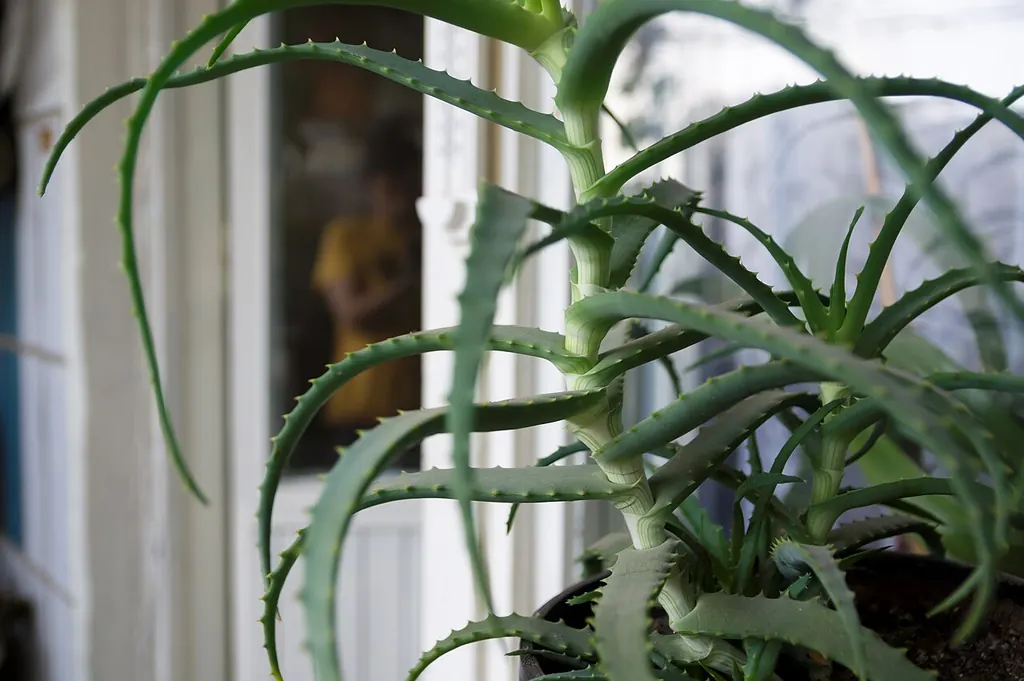
Identify plants accurately before choosing where they belong. Our houseplant guide distinguishes plant care from suitability around pets; an attractive illustration is not a safety endorsement. Keep a list of the plants you own so you can verify species instead of relying on a generic shop label such as “indoor greenery”.
Plan for more than one cat
Look beyond the number of bowls and beds to their distribution. Draw each cat’s likely route through the home and note narrow doorways or shared corners. A collection of facilities concentrated in one small area gives less choice than the same items thoughtfully spread through suitable locations.
Observe access without trying to force togetherness. Record situations such as one cat waiting in a doorway while the other uses the room. This is useful information to discuss with a qualified professional if tension persists. Do not assume that sleeping in the same room means every resource is equally available to both animals.
Keep introductions to a new animal separate from a furniture rearrangement project. Ask the adoption organisation or an appropriate professional for a gradual introduction plan. Buying duplicate accessories is preparation, not proof that the cats are ready for immediate unrestricted contact.
Make the routine easy for another person to follow
Write a short household note showing where supplies are kept, which doors need attention and who handles feeding, water, litter care and play. Include the cat’s normal routine and veterinary contact details for a sitter. Use clear observations rather than vague instructions such as “keep an eye on everything”.
Test the arrangement during an ordinary busy day. Can the responsible person carry out each task without moving furniture or searching several cupboards? Are the instructions consistent between family members? A well-designed home still needs reliable daily care; convenience helps that care happen consistently.
If a move is approaching, keep the useful parts of this note and follow the pet moving guide. Familiar routines and a planned arrival space belong on the moving list alongside furniture and keys. Review the home again whenever the layout or the cat’s needs change, using actual behaviour to guide the next adjustment.