Choose houseplants for the home you actually have
Begin with your light levels and care routine. The most attractive plant in a shop may not suit the corner you have in mind.
The easiest houseplant to live with is one whose needs match the place and routine you can provide. Start with the window, available space and care arrangements, then choose a plant. Buying an attractive specimen first and searching for a suitable corner afterwards often creates a problem that decoration alone cannot solve.
You do not need to fill the room at once. Begin with one or two clearly identified plants, learn how they behave in your home and expand only when the care remains manageable. This approach also makes it easier to distinguish a problem with one location from a difficulty caused by several unfamiliar plants arriving together.
Describe the actual growing position
Choose a specific surface or floor position and observe it at different times of day. Note direct sun, shading from curtains or nearby buildings and the distance from the window. “A bright living room” is too broad a description when a shelf behind the sofa receives very different light from the windowsill.
The University of Minnesota’s indoor lighting guide emphasises matching the plant to available light. Tolerance of lower light does not mean a plant can live indefinitely without light. If the proposed place is unsuitable, change the plant or provide an appropriate growing arrangement.
Consider how the position changes when you use the room normally. Curtains may stay closed during part of the day, a door may open against the leaves or the plant may need moving whenever you use the table. Record the real routine rather than assessing the room only when it has been specially prepared for a photograph.
Match care to the time you actually have
Decide who will check the plants and what happens during absences. A plant that needs closer attention can be a good choice if that attention is enjoyable and available. It becomes less suitable when the plan depends on a routine nobody in the household intends to maintain.
Separate checking from watering. A reminder can prompt you to inspect the growing medium and plant, but it should not automatically mean adding water to every pot. Keep different plants’ requirements identifiable so care does not become a single blanket action performed around the room.
Think about access to the sink, drainage and cleaning. A hanging plant may look ideal but be difficult to handle safely at its full size. Before buying, imagine the ordinary care task from beginning to end, including returning the plant to its place without dripping over electronics or furniture.
Compare a few identified candidates
For a position with suitable moderate indirect light, consider a spider plant after checking its full requirements. NC State’s Chlorophytum comosum profile describes arching foliage and suitability for containers where leaves can hang over the edge. Its shape needs lateral and downward space, not merely enough room for the pot’s base.
For a lower-light situation, NC State describes Aspidistra elatior as shade tolerant, with upright leaves and a preference for well-drained growing conditions. This makes it a candidate to investigate for a different role, but it does not remove the need to assess the exact position and care requirements.
Compare these examples by fit rather than declaring one universally easier. A cascading plant may suit a stable raised position, while an upright plant may suit a different floor area. Verify the species and cultivar at purchase, including any specific variation in expected size or appearance.
Keep your shortlist small enough to understand. For each candidate, write the name, intended place, light requirement, watering guidance and mature dimensions. If an essential line remains blank, ask the seller or consult a reliable plant profile before making that particular choice.
Leave room for the whole plant
Measure the available width and height, including the space used by doors, curtains and people passing. The nursery pot is not the full footprint. Leaves that spread beyond the container can block a route or brush against a surface even when the base appears neatly placed.
Check the support itself. A stand or shelf needs to suit the filled container and remain stable in ordinary use. Consider how you will lift the plant for inspection or move it for cleaning. Avoid a placement that requires awkward reaching over a chair or working from an unstable improvised step.
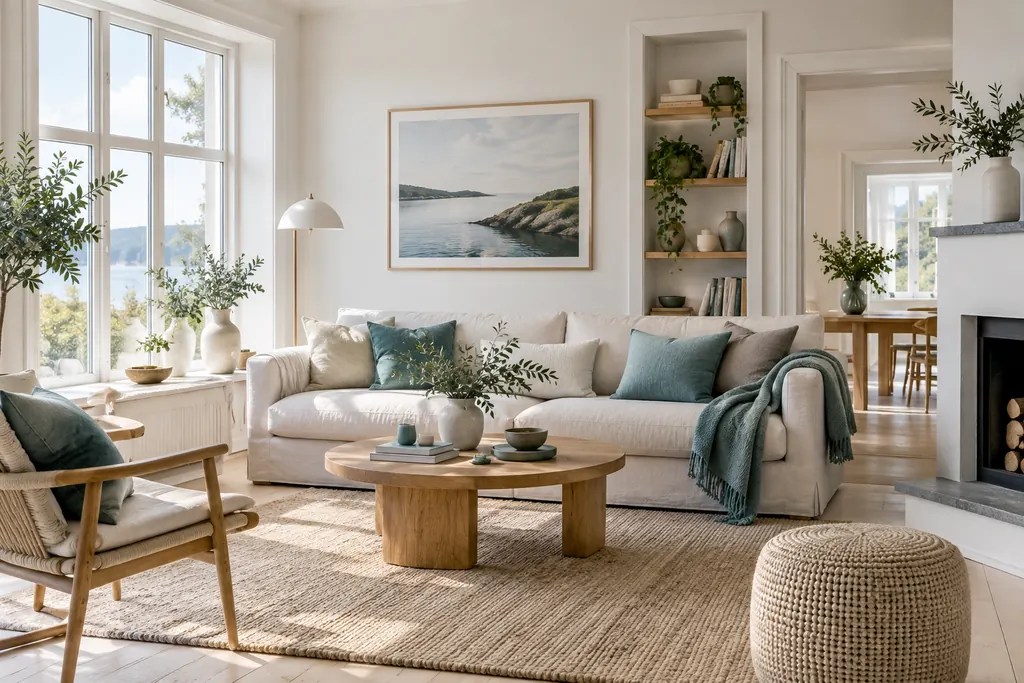
Use the comfortable living room guide to include plants in the room’s normal layout. A good position supports both growing conditions and the activities happening nearby. If these cannot be reconciled, it is better to choose another location than repeatedly move the plant out of everyone’s way.
Check suitability around pets and children
Identify the plant by its scientific name before assessing pet suitability. Common names can be ambiguous. The ASPCA lists Chlorophytum comosum as non-toxic to cats and dogs. That classification is useful for selection, but it is not a reason to encourage an animal to chew houseplants.
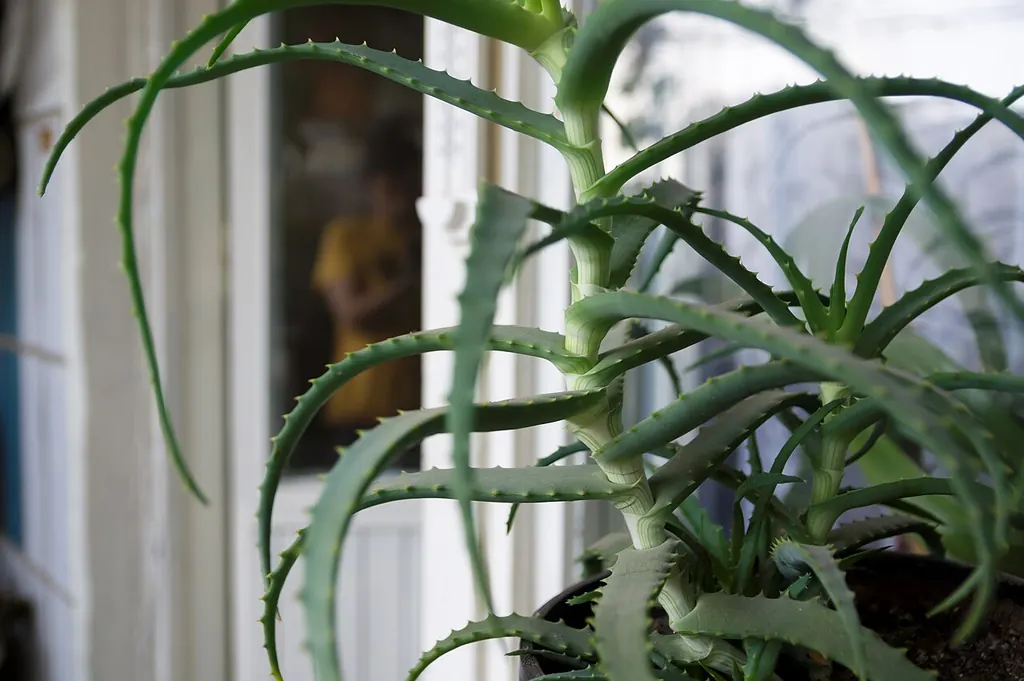
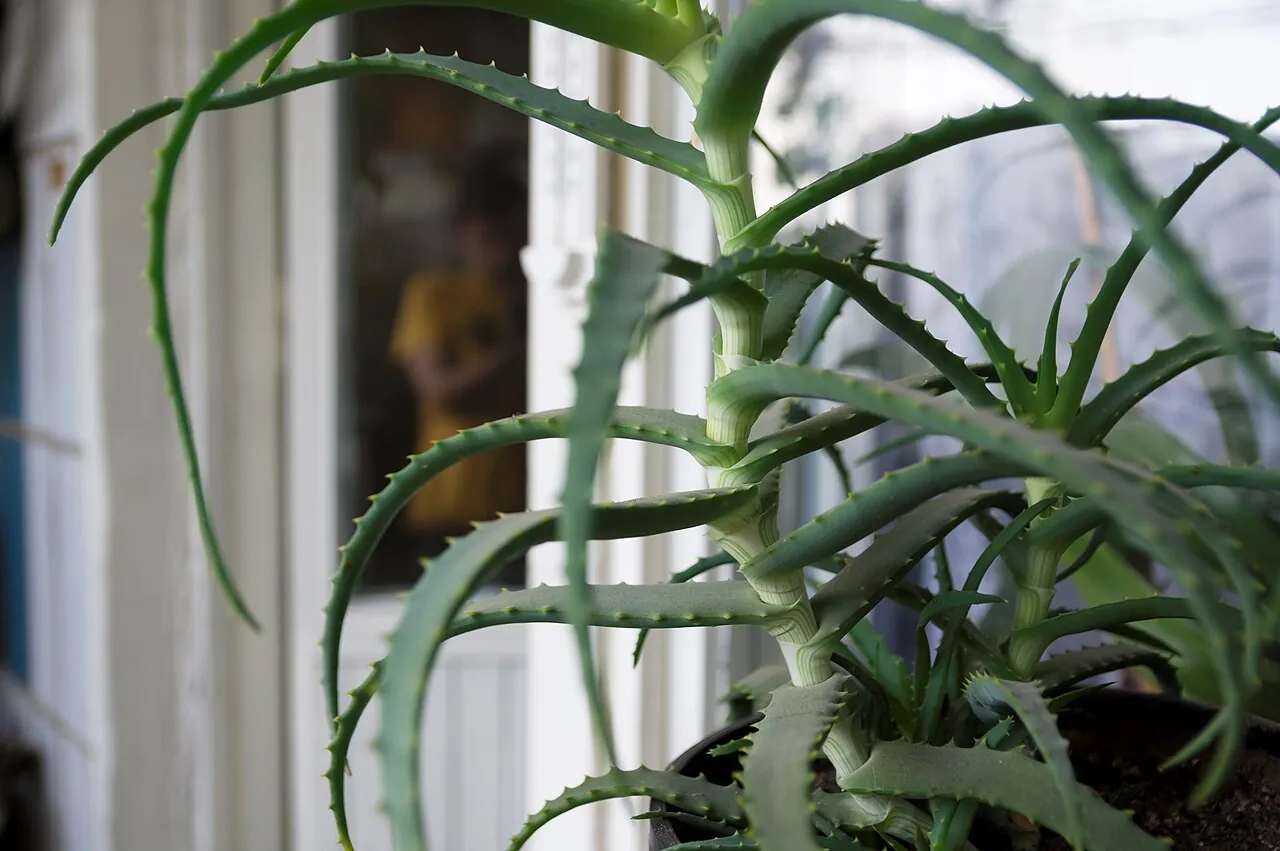
By contrast, ASPCA lists aloe as toxic to cats and dogs. An aloe photograph used to illustrate houseplants should therefore not be read as a pet-safe recommendation. Check each identified plant separately rather than applying a conclusion to an entire decorative style or plant group.
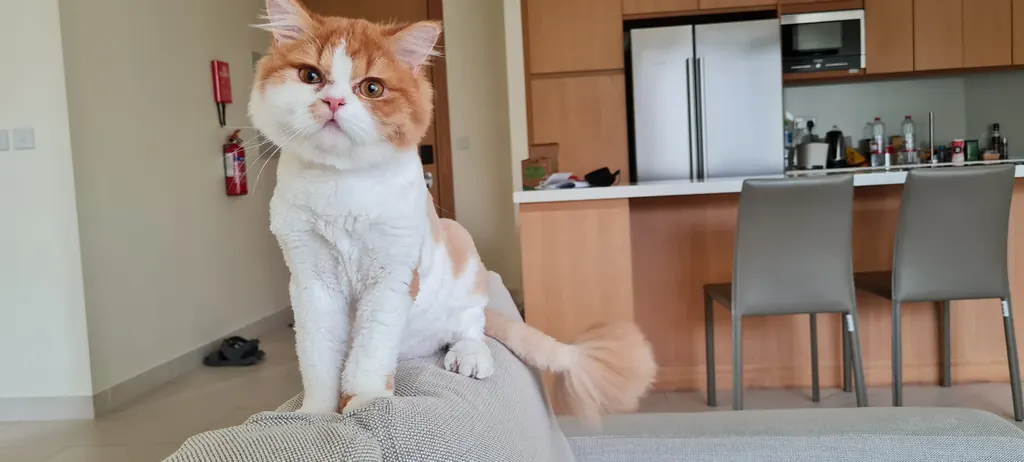
Placement needs to consider the household’s actual reach and movement. A high shelf may still be accessible to a climbing cat, while dangling leaves or an unstable pot can invite unwanted interaction. The cat-friendly home guide helps organise separate routes and resting places without making the plant the centre of that arrangement.
Keep plant-care products and tools appropriately stored. If an animal has eaten an unknown or potentially toxic plant, obtain veterinary advice and provide the plant’s identity if available. Do not try to determine the outcome solely from a label saying that a different species is safe.
Inspect the plant and plan the journey home
Look at the whole specimen, including leaves, stems and the visible growing medium. Ask about unexplained damage or anything you cannot identify. A discount does not make an unfamiliar problem easier to assess, especially when you are choosing your first plant and have no suitable place to keep it apart.
The RHS houseplant guide advises selecting sound plants and protecting them from cold during transport. In practice, plan the purchase so the plant can reach its prepared place without waiting unnecessarily in an exposed location while other errands are completed.
Keep the name and care information with the plant. Ask which container it is currently growing in and whether the decorative outer pot is included. Understanding the existing setup is more useful than buying extra materials immediately without knowing whether a change is needed.
Understand the pot before watering it
Distinguish the growing container from any decorative outer cover. Check how water can drain and how you will empty collected water without damaging the room. The RHS guidance stresses checking need before watering and avoiding prolonged standing water around the roots.
Make the process visible to yourself. If a container hides everything, remove the inner pot appropriately for inspection rather than guessing from the top alone. Follow the plant’s own growing-medium guidance and do not assume that every species needs the same depth of drying or the same amount of water.
Keep a short note while learning a new plant’s routine: when you checked, what you observed and what you did. The purpose is not an elaborate diary. It is to avoid repeated watering by different people and to make changes understandable if the plant later needs attention.
Review the position as the season changes
After bringing the plant home, give it a clearly chosen place and observe its development. Avoid making several unrelated changes at once unless the situation requires it. A record of the original position and condition gives you a better basis for asking advice than a vague account that it has been moved around many times.
Reassess the setup when daylight and room use change. If the intended position cannot provide suitable light, the grow-light selection guide explains how to assess a supplemental setup. A decorative lamp should not be assumed to meet a plant’s needs simply because it looks bright to a person.
Expand the collection when the first plants fit comfortably into the home and care routine. Keep reliable labels, useful observations and enough space to maintain each plant. A small group that you understand is often more enjoyable than a crowded arrangement whose needs are unclear from the beginning.