Living with a dog in an apartment
Apartment life with a dog begins with a quiet resting place, suitable activity and shared household responsibilities.
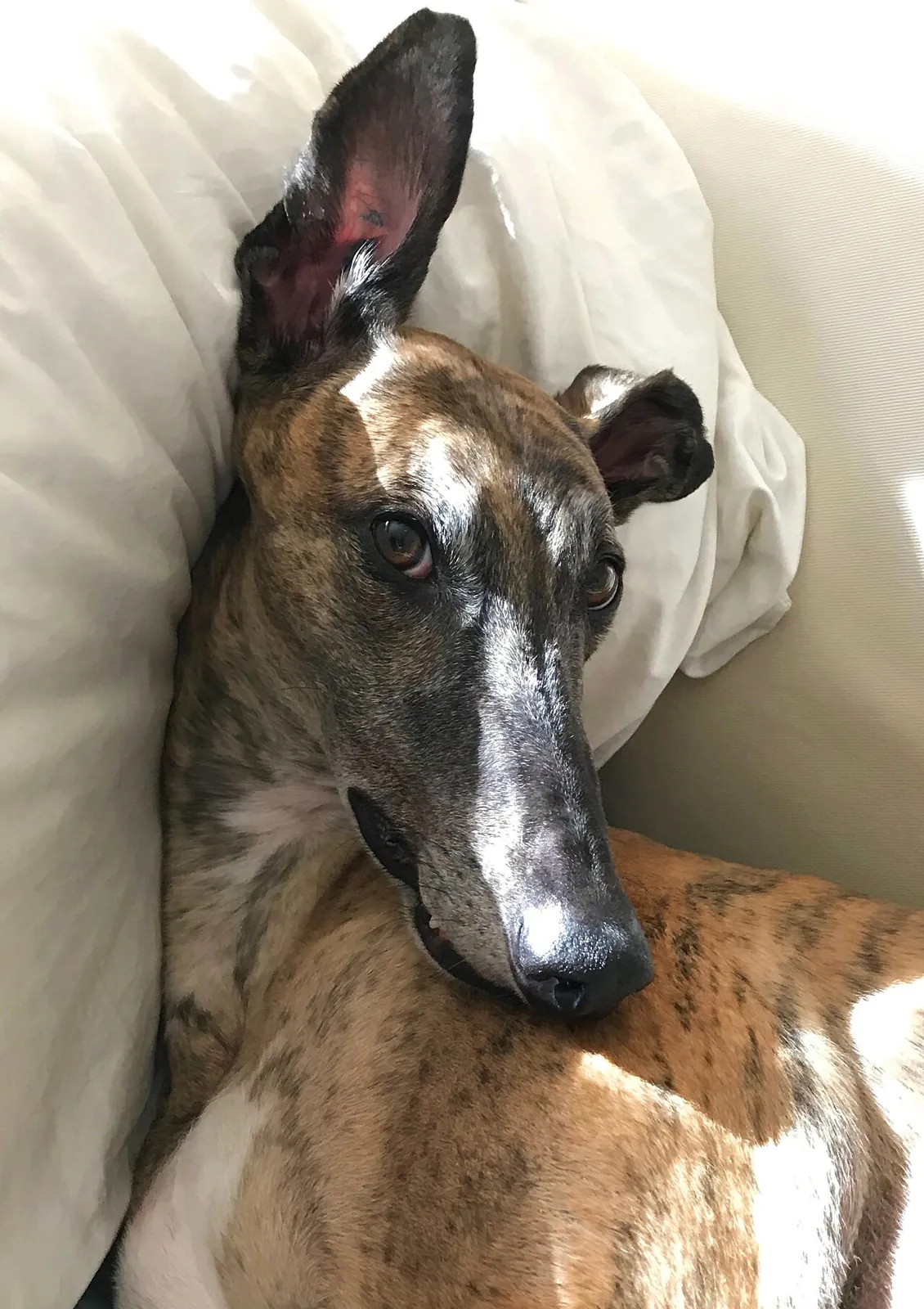
Living with a dog in an apartment depends on the whole day, not simply the number of square metres. Think about how the dog gets outside, where it can rest, what happens while you work and who helps when your plans change. A larger living room does not solve a long unattended day, and a well-organised entrance does not replace suitable outdoor activity.
Build the routine around the individual dog’s age, needs and established abilities. This guide focuses on arranging the home and household responsibilities. Exercise amounts, feeding and any support for health or behaviour should be adapted with appropriate professional advice rather than copied from a schedule intended for a different animal.
Map a real working day
Write down when each adult is at home, commuting and genuinely available. Working remotely does not mean being free during meetings, and returning at six does not guarantee arriving at six every day. Include the time needed to get from the flat to an appropriate outdoor place, especially if the building has several doors or a lift.
Next, add the dog’s needs across the day: toilet opportunities, meals according to its plan, activity, company and uninterrupted rest. Do not begin by fitting everything into two empty spaces in a crowded calendar. First identify what needs to happen, then decide who can reliably make it happen.
Mark any uncovered period as a problem to solve before the routine begins. A possible solution may involve a household member, a trusted helper or a suitable paid service. Write a name and an arrangement rather than “someone will come”. An intention becomes useful only when the responsible person knows what is expected.
Choose a resting place that stays usable
The RSPCA’s home guidance for dogs calls for a comfortable, clean, dry and quiet resting place, regular toilet opportunities and a safe place to retreat. Consider those needs alongside suitable play and activity. The bed’s position matters as much as its appearance.
Test the proposed location during an ordinary evening. Does someone step over it to reach the balcony? Does a chair move into it at dinner? Is it directly beside a frequently used door? A space can be physically large enough but repeatedly interrupted by normal household movement.
Keep the resting area available when visitors arrive. Tell guests where bags should go and how the dog’s space will be respected. Do not use confinement as a convenient way to remove the animal from the room for long periods. Any crate or restricted area requires an appropriate, positive introduction and must not replace care, movement or company.
Make the entrance work for departures and returns
Place walking equipment where an adult can reach it before opening the flat’s door. Keep keys, waste bags and suitable footwear organised, with leads and other equipment used according to their instructions. The objective is to avoid juggling a door, a shopping bag and an excited dog at the same moment.
Reserve a practical place for handling wet equipment on return. A washable surface and an accessible towel may be more useful than another decorative basket. Keep the route through the entrance clear. Do not leave trailing leads where they can catch on furniture or become something the dog plays with unattended.
The small hallway guide helps you measure storage with doors open and people moving through the space. Include the dog in that measurement. A cabinet that leaves enough room for one standing person may still make putting on walking equipment awkward.
Plan the shared building route
Walk through the route from your flat to the street without rushing. Note blind corners, lift doors, narrow stairs and places where another resident may appear suddenly. Plan where you can wait and give others space. A shared corridor is not a place to insist that every encounter becomes a greeting.
Use suitable control of the dog and keep people and leads clear of closing doors. If a lift is crowded or another animal is already inside, waiting for another trip may be the simplest practical choice. Check the building’s applicable arrangements and local rules instead of assuming that a familiar routine from another address applies.
Give any helper the same route information. Explain which entrance is used, how doors work and what situations should be avoided. A short demonstration is more useful than handing over keys and saying that the dog “knows the way”. The person remains responsible for managing the outing.
Separate outdoor needs from indoor activities
An indoor game can be a useful part of the day, but it does not automatically cover the reasons for going outside. Plan toilet access and suitable outdoor activity separately. Choose outings according to the individual dog, conditions and any relevant advice, not a universal number of kilometres borrowed from a breed description.
Keep more than one practical route in mind: an ordinary outing, a shorter necessary trip and an alternative when the usual path is unavailable. These are logistical choices, not a reason to routinely reduce care. Check what you will do if a lift stops working, a pavement is blocked or your usual helper cancels.
For a longer excursion, use the day-walk planning guide and verify whether dogs are permitted on the intended route. Check current site rules, water arrangements, transport and return options. A destination being outdoors does not automatically make it appropriate for every dog.
Offer manageable activities at home
Choose a small set of suitable toys or activities that you understand how to use safely with your dog. Check their size, condition and any supervision requirements. Introduce a new item while you are present rather than leaving it as an untested solution to a long absence.
Make activities easy to set up and put away. For example, keep equipment for a brief familiar training exercise together so a willing household member does not need to search three cupboards. If food rewards are used, account for them within the dog’s feeding plan rather than adding an unrecorded stream of extras.
Avoid turning the apartment into a constant obstacle course. Leave ordinary walking routes clear and provide periods without activity. More possessions do not necessarily produce a better day. Review which items are actually used, which need repair or replacement and which can be stored out of reach.
Practise calm time before the busiest moment
Dogs Trust’s settling guidance starts in a quiet setting, rewards relaxed behaviour and introduces distractions gradually. That is a more workable starting point than expecting a new skill during a noisy meal with visitors. Follow the detailed guidance or seek a suitable reward-based trainer if you need help.
Choose a routine moment when you can pay attention to the process. Record what the dog can comfortably do now, rather than setting an arbitrary deadline for staying still. A familiar place, clear household expectations and manageable practice are easier to maintain than several family members using different approaches.
Discuss those expectations explicitly. If one person repeatedly starts a lively game beside the resting area while another expects quiet there, the setup becomes confusing. Agree where active play happens and how people respond when the dog chooses to rest. Consistency is a household task, not something the dog can organise for you.
Arrange absence according to what the dog can manage
Dogs Trust’s separation guidance recommends gradual support and avoiding absences longer than the dog can cope with. Distress needs appropriate help; punishment is not a solution. A camera can provide observations, but watching remotely does not provide the care the animal needs.
Make a concrete backup plan for delays. Record who can attend, how they can gain authorised access and what they should do. Confirm their availability instead of assuming a neighbour can always help. If a service is involved, explain the dog’s routine and needs before the first independent visit.
Separate preparation from proof. A new bed, a toy and a filled water bowl do not demonstrate that a dog is comfortable alone. Review actual behaviour and contact your vet or an appropriate behaviour professional if there are concerns. Do not use an unavoidable long workday as the first experiment.
Respond to noise with useful observations
Dogs Trust advises identifying the causes and triggers of barking, adjusting the environment and seeking help where needed. Sudden behavioural changes also deserve veterinary attention. A plan should address why the behaviour happens, not simply try to silence it with an aversive device.
Keep a short record: time, location, what happened immediately before the noise and whether anyone was home. If a neighbour raises a concern, ask for specific times without dismissing it. Those details can help distinguish door-related activity from something that happens during absence, although they do not establish a diagnosis.
Agree one practical next step, such as reviewing the resting location or arranging professional advice. Then observe the result. Changing everything at once makes it difficult to understand what helped. Communication with neighbours should be calm and specific, with the aim of managing the situation responsibly.
Review the routine when circumstances change
A useful household note contains the current daily arrangements, walking equipment location, helper contacts and unresolved questions. Review it when work hours change, the dog’s abilities change or a new person joins the home. A schedule that worked last year should not be treated as permanently correct.
Before a move, follow the guide to moving with a pet and inspect the new building route as carefully as the flat itself. Stairs, doors and nearby outdoor access affect ordinary days long after the boxes are unpacked.
Judge the arrangement by whether the dog’s needs are met and whether people can carry out their responsibilities reliably. The strongest apartment routine has a usable resting space, realistic care throughout the day and a clear response when the normal plan changes.