Plan a day walk in Estonia: a practical checklist
A good day walk begins with a suitable trail and a clear return plan. The longest route does not have to be the best choice.
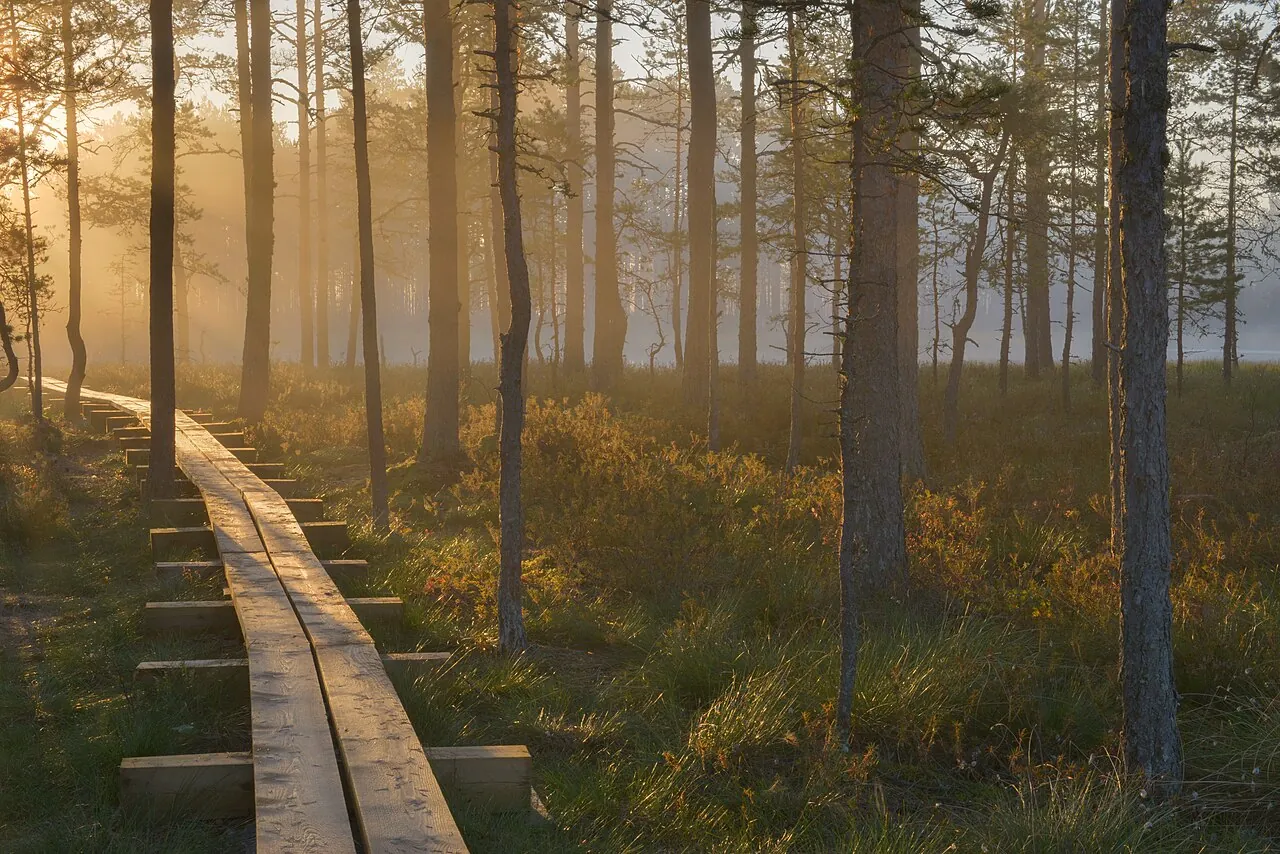
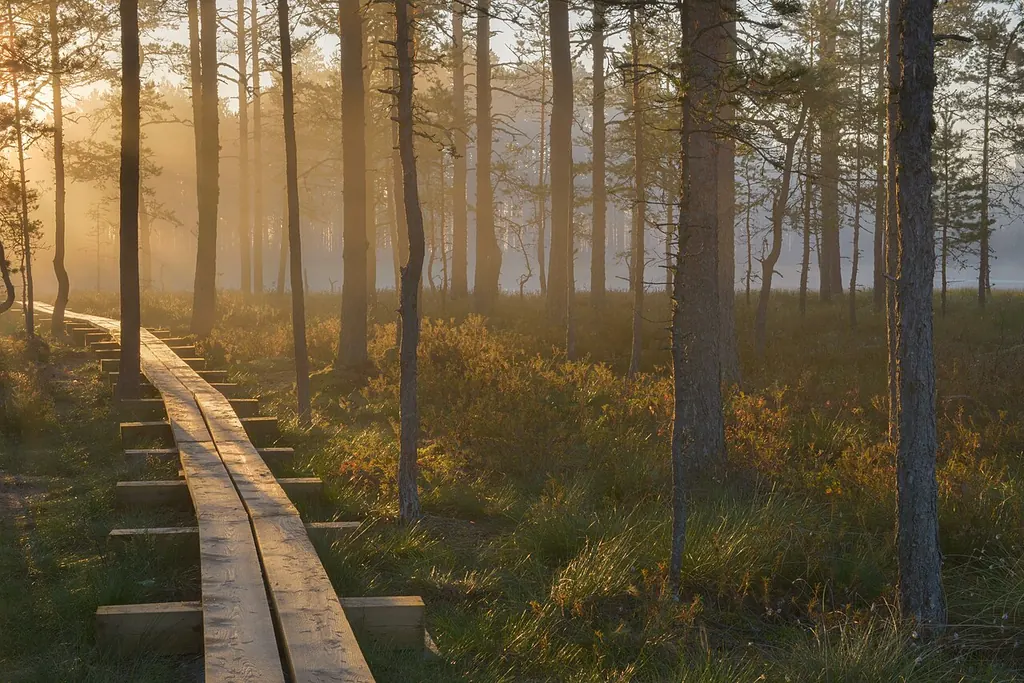
A good day walk in Estonia begins with a route that fits the group and a return plan that still works if you move more slowly than expected. Start with the available time, transport and people. Choose the distance afterwards. A familiar short trail can provide a better day than an ambitious route selected only because it looks impressive on a map.
This guide is for ordinary marked day walks. Remote routes, winter conditions, water crossings and specialised activities require additional skills and preparation. The useful habit is to match the plan to what you can actually manage today, rather than treating every outdoor route as the same kind of outing.
Choose a trail from information you can check
The RMK destination directory lets you search by name and region, with options for different facilities and accessibility. Open the individual location page rather than making a decision from a photograph or search-result title. Read its notices, route description, map and access information together.
Identify the surface, the shape of the route and any obstacles that matter to your group. A boardwalk, forest path and firm surfaced path can require different decisions even when they have the same stated length. Look for explicit information about steps, gradients, narrow sections and the limits of any accessible portion.
Choose two possible routes before committing: the intended walk and a shorter or more suitable alternative. The alternative should be checked in its own right, not simply described as “somewhere nearby”. If weather or access changes, you will then have a real choice rather than an improvised search from a car park.
Understand where the stated distance begins and ends
Draw the journey in four parts: transport to the area, approach to the trail, the walk itself and the return connection. A route described as three kilometres may not include the walk from the bus stop. An out-and-back section needs to be counted in both directions.
Check whether the route is a loop, a through-walk or a path to a viewpoint. For a through-walk, arrange the far-end transport before starting. Leaving one vehicle at the beginning and hoping to find a convenient way back later is not a completed transport plan.
The Viru Bog guide illustrates why the distinction matters: a tower visit and a full circular outing are different choices. Make your own route note unambiguous enough that another member of the group can explain where you are going and how you return.
Estimate time with pauses and a margin
Use a pace based on your group’s ordinary experience, then add time for the actual terrain. Do not treat a fitness app’s moving speed on a flat pavement as a guaranteed pace on an unfamiliar trail. Children, photography, sign-reading and shared narrow sections all affect the day.
Here is an arithmetic example, not a recommended walking speed: six kilometres at three kilometres per hour gives two hours of movement. Add 45 minutes for pauses, 30 minutes for approach sections and 45 minutes of reserve. The complete allowance becomes four hours. A different group or route may need substantially more time.
Work backwards from the return bus, your other commitments and available daylight. If the time window does not fit, reduce the route before departure. Avoid solving an unrealistic plan by removing every pause and all reserve. Those are the parts that make the estimate reflect a real day rather than an uninterrupted line on a map.
Set a decision point before you become tired
Agree a latest turnaround time for an out-and-back walk, or an earlier point at which you choose a verified shorter option. State what triggers the change: slower progress, unsuitable conditions or a participant who needs to stop. Make it a normal part of the plan rather than a sign that someone has spoiled the outing.
For example, a family can agree that reaching the viewpoint is optional but beginning the return at the chosen time is not. If they have stopped longer than expected, they still have a clear decision. This is easier to follow than renegotiating the whole day at every bend in the trail.
Keep the group together according to the participants’ needs. Do not send a tired child back alone or let the fastest walkers disappear with the only map. If adults split for a planned reason, each group needs its own capable supervision, navigation and agreed meeting arrangement.
Check the weather for the place and hours
Read the local forecast and official Estonian weather warnings before leaving. Consider the expected period outside, not only the weather at breakfast. Wind, precipitation and visibility can change whether a chosen route is suitable.
Review the trail manager’s current notices as well. A general forecast does not tell you whether a particular boardwalk is closed or an approach is under repair. If a route depends on an uncertain detail, clarify it or select the already checked alternative.
Pack clothing that can be adjusted between walking and resting. Keep an extra layer and weather protection reachable. Footwear should fit securely and match the surfaces you expect. Avoid testing an unfamiliar pair on a longer outing when you have no convenient way to shorten the walk.
Make navigation usable without a connection
Save the relevant map and route information offline, then open them before departure to confirm they actually work. A screenshot of the destination name is not a navigable map. Include the start, return options and useful landmarks, with enough surrounding area to understand a missed junction.
Carry a charged phone and an appropriate backup plan for your route. The power-bank guide explains capacity and compatibility, but you still need a working cable and a charged power bank. For a route where relying on one device would be a problem, bring an additional navigation method you know how to use.
Check your position while stopped at clear points. If the route and surroundings no longer match, stop and reassess rather than continuing because the path “probably joins up”. Do not invent a shortcut across bog, water, a private yard or another uncertain area to recover time.
Pack essentials for the whole group
Take drinking water and food appropriate to the duration, conditions and participants. Do not assume a café, tap or shop will be available unless you have confirmed it. Divide shared supplies sensibly so one person’s early departure does not leave the others without essential items.
Bring necessary personal medication in its proper storage conditions, a suitable first-aid kit and items you know how to use. A compact light can be useful if a delay affects the return, but it is not a reason to plan an unfamiliar route beyond your abilities after dark. Keep keys and transport tickets accessible and protected.
Pack a bag for rubbish and avoid loose packaging that can blow away. Before leaving home, check the contents rather than trusting that a regularly used backpack is still stocked. An empty water bottle or a light with flat batteries does not fulfil the purpose of being on a checklist.
Respect the route’s rules and the surrounding land
RMK’s conduct guidance asks visitors to use established routes, take rubbish away and follow protected-area restrictions. Fires belong only in designated prepared places when permitted. Check the current conditions rather than treating the presence of an old fire ring as permission to light one.
For a simple day walk, food that does not require a fire can make the plan easier. You avoid making the meal depend on a particular facility being free and usable. If cooking is part of the outing, verify the applicable arrangements and use equipment according to its instructions.
With a dog, confirm that the exact route permits your visit and follow the relevant control requirements. Keep the animal’s needs, water and the effect on other visitors in the plan. A path being outdoors does not mean every animal, vehicle or recreational activity is appropriate there.
Leave a short route note with someone
Tell a trusted person the route name, start point, intended finish, who is going and when you expect to check in after returning. Agree what they should do if the check-in does not happen. A vague message saying you are “going to the forest” provides little useful context if plans go wrong.
Update them if you change the destination or expected return before setting off on the new plan. When safely back, send the promised message. This closes the arrangement and avoids unnecessary concern. A location-sharing feature can be helpful, but do not assume it will update continuously or replace an agreed communication plan.
For an emergency, the Estonian Emergency Response Centre’s instructions direct you to call 112 when urgent help is needed or danger is suspected. Explain what happened and where you are, give coordinates if available and follow the call-taker’s instructions. Do not assume that your map pin has automatically reached the person answering.
Review the day before adding more distance
After the walk, note the actual time, which equipment was useful and where the plan differed from reality. Separate moving time from the complete outing. That gives you a better basis for the next route than remembering only that it was “easy” or “hard”.
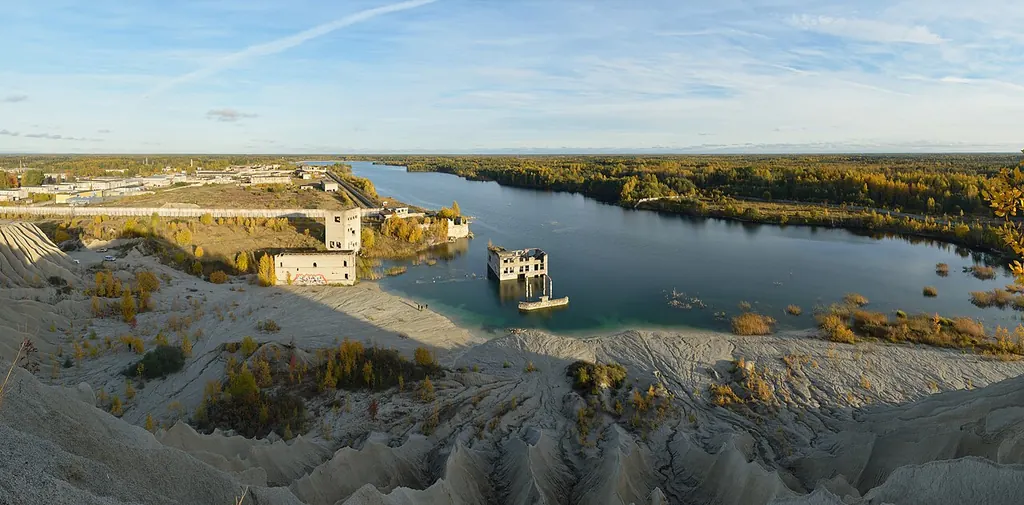
For a managed attraction such as Rummu Quarry, add its own admission and booking requirements to the preparation. A trail checklist does not replace a venue’s visitor arrangements. Increase the length or complexity of future walks only when the current level is comfortable and the next plan still has a clear, realistic way home.