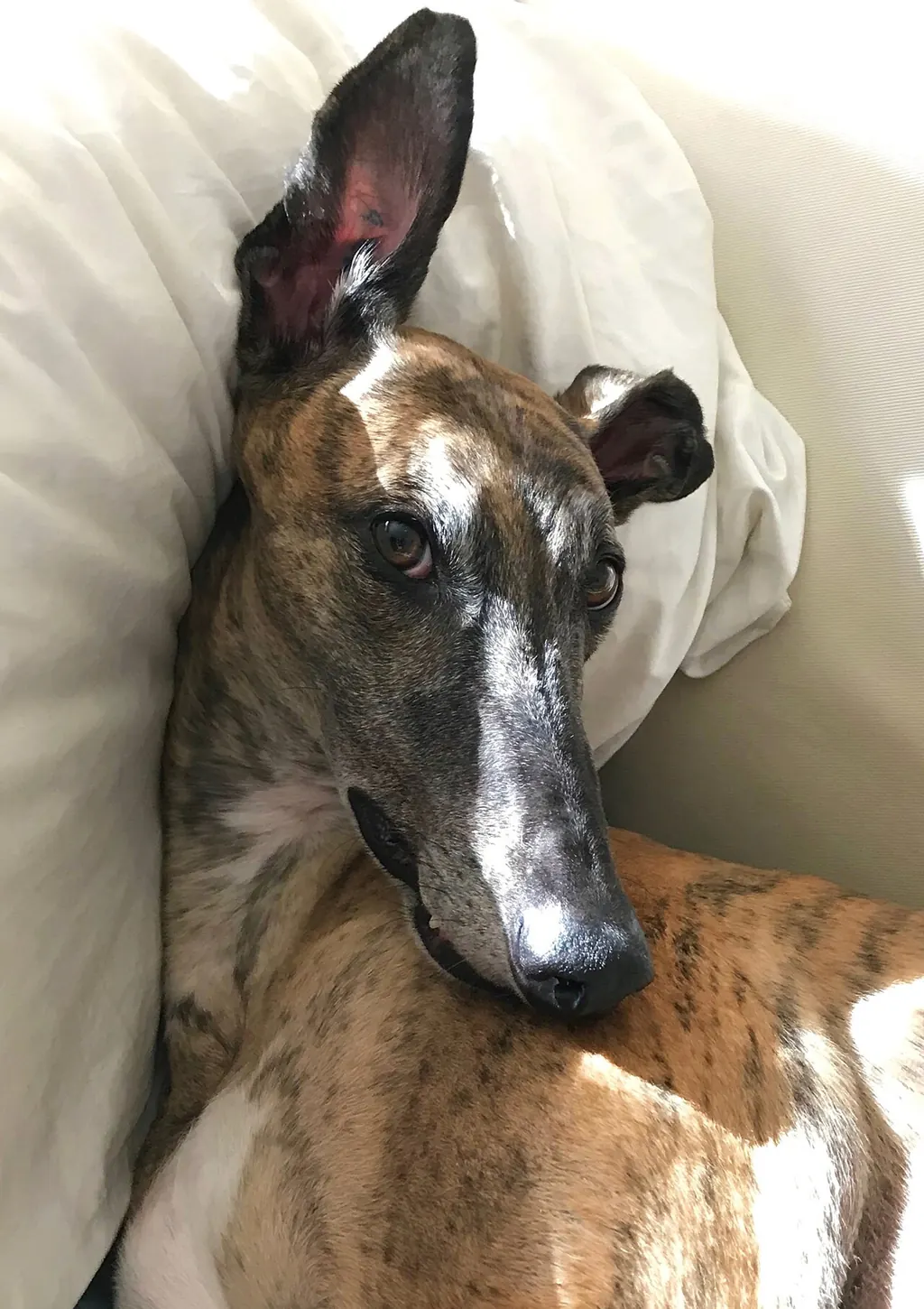
Indoor search games for your dog: begin with an easy find
Try three gentle search games with your dog: a visible food piece, open boxes and a familiar toy. Adjust difficulty, offer help and know when to finish.
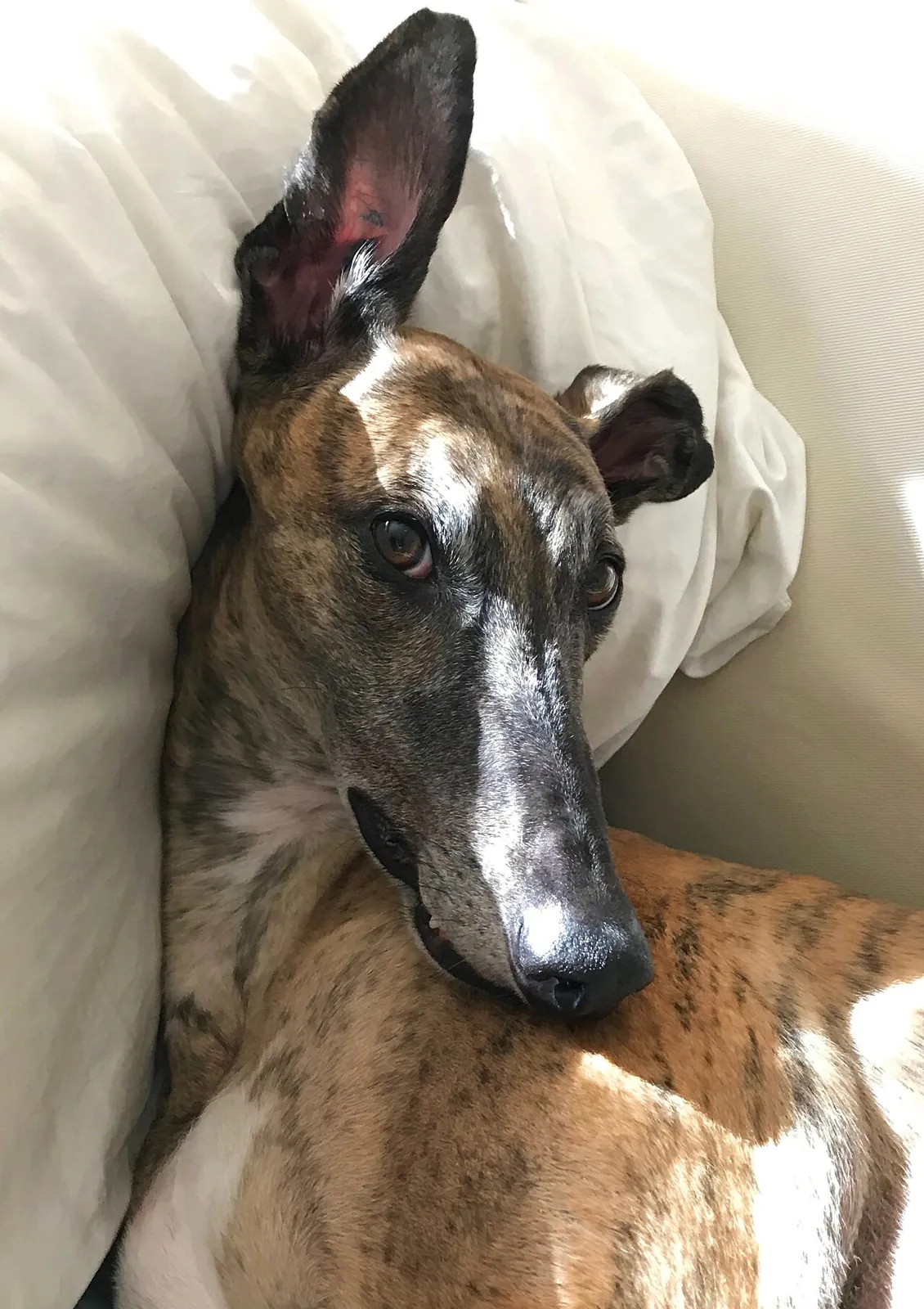
A rainy autumn evening does not have to mean throwing a ball repeatedly down a narrow hallway. A search game can take place in a small area with a familiar toy or suitable food. A good first attempt is easy enough for the dog to understand without prolonged wandering. The aim is an enjoyable shared activity, rather than finding the cleverest hiding place or testing how many obstacles an animal can overcome.
Indoor games complement ordinary life; they do not replace walks, rest or individual needs. If your dog has movement restrictions or a special diet, work within the guidance already given for them. The activities below are adaptable household ideas, not a programme every animal must follow at the same pace. One dog may enjoy finding food, another a familiar object, while another may prefer a quiet evening without an extra task.
Prepare one small area
Choose a place with a non-slip surface and remove cables, small objects and breakable belongings. Do not hide anything on stairs, beside a hot appliance or somewhere the dog must squeeze into. You do not need the whole home. A clear corner where you can see every hiding position is sufficient for the first attempt, making it easier to notice success, offer help and stop if necessary.
Separate other animals where needed so the search does not become a competition. Agree with children who prepares the area and who watches. Several people calling at once can make a simple task confusing. Have somewhere to put equipment afterwards. A piece of food or box left on the floor should not invite the dog to continue alone when the adults have moved on and are no longer supervising.
Choose a suitable reward
For a food game, use a small portion of the dog's usual suitable food and include it within the daily amount. Dogs Trust advises accounting for food used in enrichment and supervising the activity. Human sweets are unnecessary. With a special diet, use already agreed options rather than an internet list whose suitability for your dog has not been established. The game does not require an expensive collection of treats.
For an object search, choose a familiar, intact toy of suitable size and material. Blue Cross describes a gentle activity based on finding a hidden toy. Avoid an object that could easily be swallowed, and do not add scented oils or other substances. A familiar item is enough. An extra strong smell is not needed simply to make a household game seem more novel or interesting to the human participant.
Game one: a visible find
Let the dog watch you place a suitable piece of food on a clean, clear floor nearby. If you wish, use a short cue such as “find”, then allow the dog to locate it. Do not throw it far enough to turn the activity into a chase. Repeat a few simple placements. The purpose is to establish that this small area contains something the dog may approach and take.
If the dog keeps looking at you, calmly indicate the location. Helping does not spoil the game. If the food is uninteresting, avoid increasingly loud encouragement or assuming the dog is being stubborn. Consider whether the timing, reward or surroundings suit them. You can stop and try another time. A single attempt is not a verdict on intelligence, willingness to cooperate or the quality of your relationship.
Game two: open boxes
Once the first version is understood, put down two low, open boxes without staples, tape, sharp edges or easily detached pieces. Place food inside one where it can be reached freely and allow investigation. Do not immediately close the lid or fill the box with paper. Easy access helps you see whether the dog enjoys searching or is primarily interested in chewing the material itself.
If the dog starts eating packaging or tearing it in an unsafe way, stop the box version and choose another activity. Do not leave homemade equipment with an unsupervised animal. Next time you could move the boxes, but avoid simultaneously increasing their number, deepening the hiding place and expanding into another room. One small change makes it easier to judge whether the task remains manageable and enjoyable.
Game three: a familiar toy
Show the toy and initially place it partly in view somewhere easily reached. Use your simple search cue if you have one. When the dog finds it, respond in a way they enjoy, such as calm praise or a brief shared game. Do not automatically require retrieval into your hand. Searching and fetching are separate tasks, and a successful find can be enough for the evening.
In later repetitions, reduce visibility only slightly. The hiding place should not require jumping onto furniture, becoming trapped underneath it or scattering household possessions. If the dog finds the toy but does not immediately release it, avoid turning the ending into a chase. Use a familiar, calm finishing routine. A clear beginning should lead to an equally clear ending without an unexpected struggle over the object.
Watch the process rather than the clock
Some dogs move slowly, pause and revisit a place several times. That does not automatically mean the task is too difficult. Consider the whole picture: does the dog continue voluntarily, find the reward and show interest in another attempt? The fastest possible discovery need not be your goal. Home games do not require rankings or comparisons with another dog whose experience, preferences and way of exploring differ.
If the dog repeatedly leaves, struggles or becomes unsettled, simplify or finish. Make the find more visible and reduce the search area. Do not raise the difficulty just because the previous task seems boring to you. The dog's interest determines whether the game is working. A human wish to see an impressive solution can otherwise turn a pleasant activity into a prolonged and confusing test.
Finish while participation remains a choice
Start with a short session and leave room to stop earlier. One compulsory duration will not suit every dog. You can finish with an easy find if interest remains, then put the equipment away. Use a familiar ending word or calm routine. There is no need to keep inventing hiding places merely because you set aside an evening for games while the dog now wants to rest.
Collect remaining food, boxes and small pieces. Check beside furniture where a piece may have rolled. In a multi-animal household, reopen the shared area after clearing it. If helpful, write one sentence about which version worked and what proved difficult. That is enough for planning next time. A separate scoring system adds little unless it helps you recognise preferences and change an unsuitable task.
A child's role can be preparation only
A child can choose between two suitable toys or draw the play area. An adult checks the hiding place and runs the activity. The child need not reach towards the mouth of a dog searching for food or take away its find. This allows participation without an unfamiliar handling task. If the dog needs rest, the activity ends for everyone.
Agree on a simple household rule
If several family members independently offer food games, the total can increase unnoticed. Decide who prepares the day's game portion and how others will know it has been used. Share information about boxes the dog chewed or locations that did not work. The next person should not repeat an unsuitable experiment simply because nobody mentioned what happened during the previous attempt.
A successful search game remains straightforward: a suitable reward, a safe area, an understandable task and permission to finish. An autumn evening does not need a new purchased toy or a complicated trail of hiding places. By noticing your dog's choices and changing one detail at a time, you can make a familiar room a place for enjoyable shared activity before returning easily to the ordinary household rhythm.