Storing tyres: preparation, placement and labels
Seasonal tyre storage depends on cleanliness, suitable conditions and manufacturer guidance. Mounted wheels and unmounted tyres may need different arrangements.
Seasonal tyre storage is easier when you treat the changeover as a small inventory job. You need to know what is being stored, whether anything needs attention and how the set will return to service. Four black tyres in a dark corner are surprisingly easy to confuse with an older set, especially when several people share a garage.
Begin by distinguishing loose tyres from complete wheels: a complete wheel includes the tyre mounted on its rim. That distinction affects the storage arrangement. Then choose a suitable space, record the set and agree who will inspect and refit it. Storage protects an existing condition; it does not make a damaged or unsuitable tyre ready for another season.
Identify the set before moving it
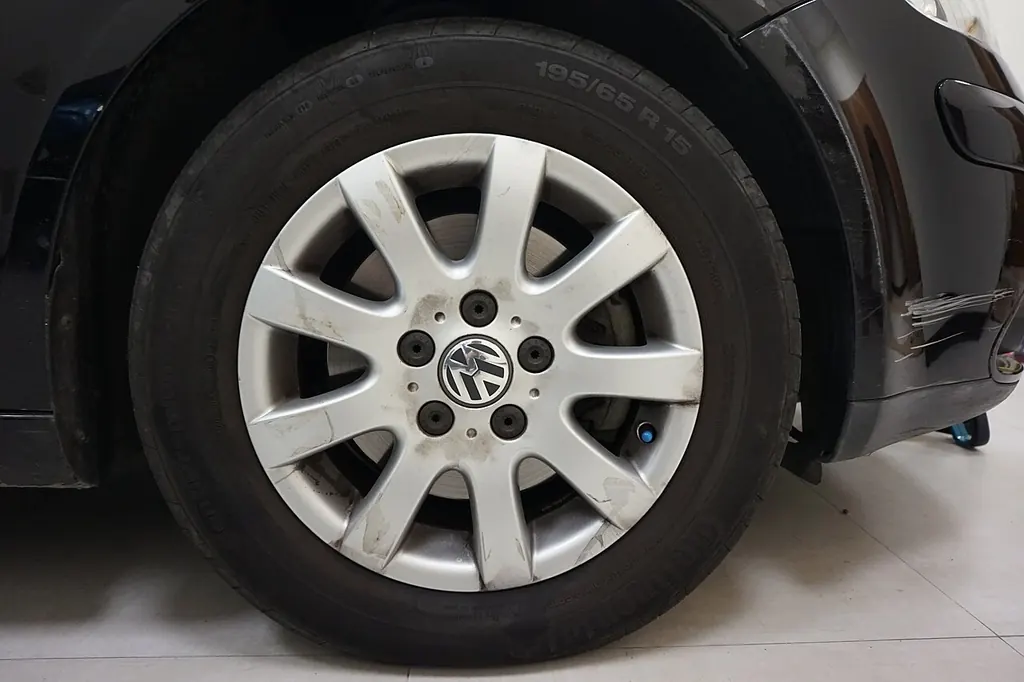
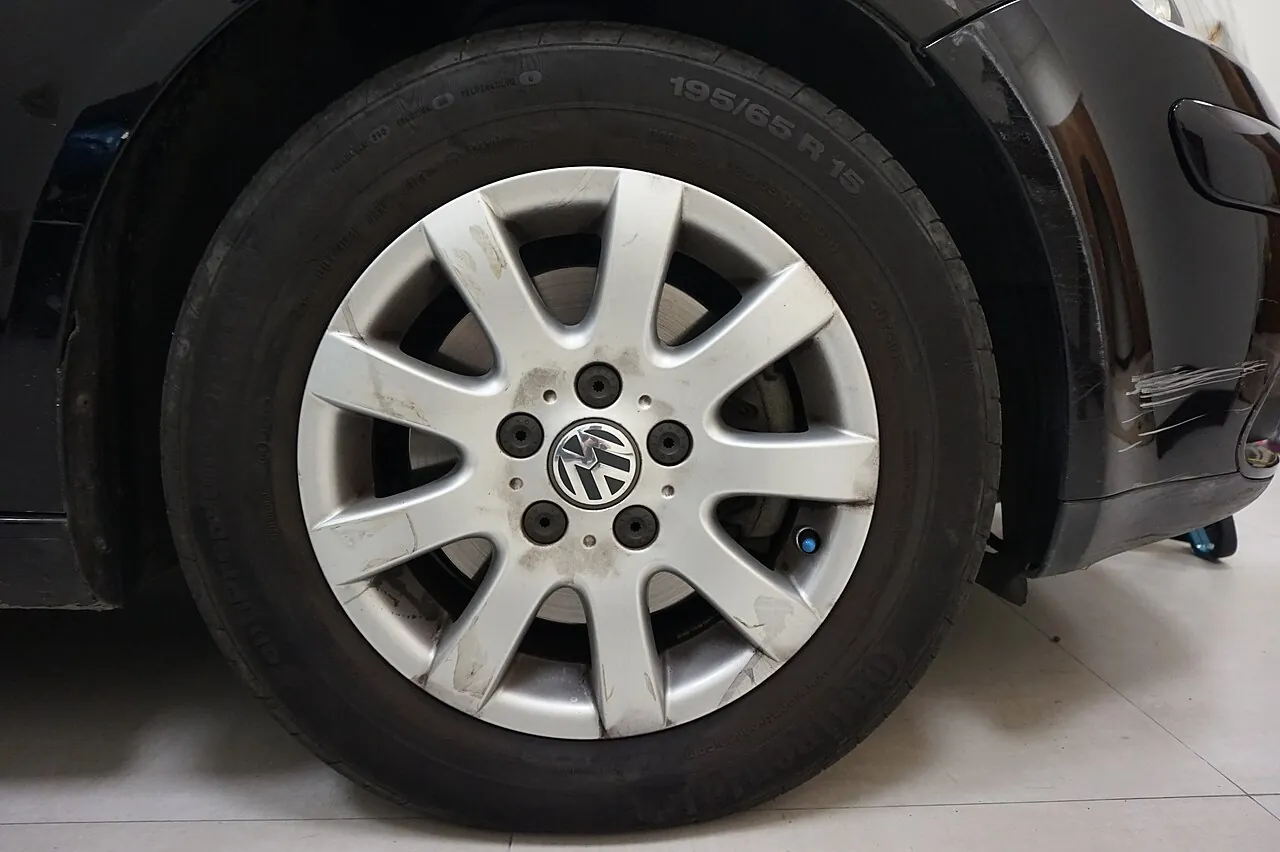
Create one record for the entire set and a separate note for any individual tyre that needs attention. Record the vehicle, tyre size, brand and model, and whether rims are included. Add the removal date and a clear photograph of the markings. If two household cars use similar-looking wheels, an identifying label is more reliable than remembering which pile belongs to which car.
Label the previous position of each wheel, such as front left. Explain what the label means: it records where the wheel came from. It is not an instruction to put it back in that position, or permission to move it to any other corner. The correct fitting arrangement depends on the vehicle and tyre design and should be established at the next changeover.
Keep observations factual. Write “visible scrape on the outer rim” or “ask fitter about uneven wear” instead of diagnosing a suspension fault. Photograph the area beside the label. This makes the question easier to discuss later and prevents a concern from disappearing into the general note “check tyres”.
Review condition before committing storage space
Give each item enough light and room for a sensible visual review. You are looking for things to raise with a tyre professional, not trying to approve the set yourself. A tyre that has been removed after a problem should remain clearly identified until that problem has been assessed. Do not mix it into a ready-to-fit pile because its tread looks similar to the others.
Separate the decisions about ownership, storage and future use. You may own a set that no longer fits the current vehicle. You may have room to store it but no practical reason to keep it. Alternatively, you may intend to use it again but need an assessment first. Give the record an honest status: “awaiting assessment”, “stored for next changeover” or “no longer required”.
This is also a useful moment to review the questions in the vehicle inspection preparation guide. Keep the inspection deadline and the tyre changeover appointment as separate entries. One does not replace the other, and a storage receipt does not confirm roadworthiness.
Clean, dry and prepare the storage area
Continental’s storage guidance calls for cleaning and thorough drying, and for a cool, dry indoor place away from sunlight, oils and solvents. It advises against outdoor storage even under a cover. Use those conditions to judge the actual space available rather than choosing a room simply because it is called a garage.
For example, a garage corner beside a leaking door may be less suitable than an orderly indoor store. A basement can be enclosed but damp. A sunny enclosed balcony can still expose the set to large temperature changes. If you cannot provide an appropriate location, compare a storage service before buying a rack that will occupy the wrong space.
Clear the area before the tyres arrive. Remove unrelated containers, establish a clean route and check that doors can open normally. A storage position should not depend on moving the set every time someone needs a tool. The principles in the storage cupboard organisation guide help with access and labels, although a cupboard is only suitable if its conditions and construction are appropriate for the load.
Match the arrangement to tyres with or without rims
Michelin distinguishes between the two types of set: loose tyres should stand upright and should not be hung or stacked. Complete wheels can use suitable standing, hanging or limited stacking arrangements. Follow the tyre maker’s detailed instructions and the storage equipment’s load rating when deciding the exact setup.
Do not turn that general distinction into a homemade lifting or racking project. If you use a rack, establish that it is intended for the items and weight involved and is installed as its manufacturer requires. A shelf that holds cleaning products is not automatically a wheel shelf. Measure the space needed for removal as well as the space occupied during storage.
For a service provider, the useful question is straightforward: “These are loose tyres” or “These are complete wheels; how will you store and identify them?” You do not need to prescribe the warehouse layout. You do need to know that the provider has correctly recorded what you handed over and can return the same set.
Keep accessories identifiable and available
Think about the next changeover rather than putting every small item into the nearest bag. If different wheel sets use different manufacturer-specified fasteners or other accessories, ask the fitter how they should be identified and kept. Do not assume parts are interchangeable just because they appear similar. Record what accompanies the stored set and what stays with the vehicle.
The locking wheel key, where applicable, should remain accessible for the vehicle’s needs. Do not accidentally send it away inside a seasonal storage package and discover its absence during an unrelated repair. A simple handover note can say “locking key remains in vehicle” without revealing the precise location in a publicly shared document.
Avoid including personal documents with the set unless the service actually requires them. The storage record generally needs enough information to identify the customer and goods, not a collection of unrelated vehicle paperwork. Keep the receipt where the person collecting the wheels can find it, particularly if collection and fitting will be handled by different household members.
What to ask a tyre storage service
Ask what the quoted service includes. Storage, collection, washing, condition assessment and refitting may be separate services. Compare the actual scope, not just a headline amount. Establish the intended storage period, how collection is arranged and what happens if your plans change or the vehicle is sold. Get the agreed answers in the booking or receipt rather than relying on memory.
At handover, check the number of items and whether rims are included. The record should identify the set well enough to resolve a mix-up. Note any condition observations raised at the time. If the provider recommends replacing something, ask for the reason and which item the recommendation concerns; keep that decision distinct from agreeing to storage.
Ask how much notice the provider needs before the next changeover. Do not assume a warehouse set can be collected immediately. When arranging an appointment, confirm whether the set will be at the fitting location and whether the booking includes fitting. This prevents arriving with a car at one address while its wheels are still stored elsewhere.
Make a useful storage record
A practical record might read: “Car A, winter set, four complete wheels, removed 18 April, stored with provider X, receipt saved in vehicle folder.” Follow it with the identifying size and model information, photographs and any unresolved question. The date is an example of record structure, not a recommendation for when to change tyres in Estonia.
For home storage, replace the provider entry with the actual location and arrangement. Add who placed the set there and where the associated accessories are kept. A family member should be able to retrieve the correct information without opening every box or asking the person who originally organised the garage.
You do not need a complicated spreadsheet. A single note with a few photographs is often easier to maintain. What matters is consistency: update the same record at every removal and refit, and make old observations clearly distinguishable from new ones. Otherwise a resolved concern may be mistaken for a current problem months later.
Plan the return to service
Before the fitting appointment, retrieve the record and review outstanding questions. Tell the fitter if the set was removed because of a specific incident, if its history is uncertain or if you have changed vehicles. “It was stored indoors” is useful background, but it is not enough information to establish suitability or condition.
Have the set checked and fitted appropriately, with the vehicle’s specified tyre pressures and any relevant system procedures addressed by the responsible fitter. Avoid setting a universal storage or running pressure from an online example: the tyre, wheel, vehicle and manufacturer guidance matter. Confirm what work was actually completed and keep any follow-up recommendation.
Finally, update the inventory to show which set is now on the car and which is in storage. Include the next action in your autumn car preparation plan if relevant. A successful system leaves you with an identified set, an accessible record and a clear next step, rather than four tyres and several unanswered questions.