Prepare your car for autumn: visibility and upkeep
Darker, wetter days reveal problems that are easy to overlook in summer. Carry out basic checks before they become roadside distractions.
Autumn car preparation is most useful when it improves visibility, reveals a developing fault and makes everyday journeys easier to organise. Start with the car you actually drive: its handbook, maintenance history, fitted tyres and recent behaviour. A generic list should help you ask better questions, not replace the instructions for a particular model.
Separate work into three groups: routine checks you can perform safely, items that need a workshop and supplies or arrangements to organise. This keeps a simple cleaning job from hiding a more important fault. Do the initial review early enough that an appointment or replacement part can be arranged before you need the car for a demanding journey.
Begin with the view through the glass
Clean the windscreen and windows on both sides using products suitable for the surfaces. Check the result from the driver’s position rather than only admiring the exterior. Greasy marks, a film on the inside and material left in corners can remain unnoticed until changing light makes the view harder to use.
Remove objects that intrude into the necessary field of view. Reconsider the position of phone mounts, hanging decorations and items on the dashboard. A convenient place for an accessory is not automatically an appropriate place while driving. Keep the handbook’s instructions and the applicable vehicle requirements in mind when arranging equipment.
Inspect the wiper blades and test the washers while the vehicle is safely stationary. Note persistent streaks, missed areas and uneven fluid delivery. If cleaning does not resolve the issue, arrange the correct replacement or assessment rather than repeatedly operating a blade that does not clear the glass properly.
Check the washer-fluid specification and expected conditions before topping up. Read the product’s instructions, including whether it is ready to use or requires dilution. Do not assume that an old mixture remaining in the reservoir has the same temperature suitability as a newly purchased bottle. Ask a workshop if the existing contents or system behaviour are unclear.
Check demisting and moisture sources
Learn the car’s demisting controls before needing them in a hurry. With the vehicle parked safely, identify the settings described in the handbook and confirm that the relevant functions operate. If the glass cannot be kept clear, investigate the cause instead of planning to compensate by repeatedly wiping a small viewing patch while driving.
Take damp removable mats out for appropriate cleaning and drying. Look for wet belongings left in the luggage area or under seats. A forgotten towel or soaked bag is an organisational problem you can resolve immediately. Recurrent moisture without an obvious explanation is different and deserves a check for the source.
Inspect accessible areas for accumulated leaves or debris only as the owner’s instructions allow. Do not push tools into unknown drains or remove unfamiliar trim to clear a suspected blockage. A visible problem is useful information for the workshop, especially if you can describe when water appears and which area becomes damp.
Use the car-interior cleaning guide for the sequence of vacuuming, surface cleaning and drying. Keep the aim practical: clear glass, properly fitted mats and a cabin free of unnecessary wet items. A strong fragrance does not establish that moisture or its cause has been removed.
Review lights and signals systematically
With the vehicle secured, check the exterior lighting functions with a helper or an appropriate reflection. Work through the controls rather than relying on the usual dashboard appearance. Include the functions you use less often and learn their operation from the handbook. The other person should stay in a safe position away from moving traffic.
Look for visible damage or dirt on the lamp surfaces. Use a cleaning method suitable for the material. A light that switches on may still need professional attention if its beam or mounting is wrong. Do not adjust lamps by guesswork against an arbitrary wall or install a different light source merely because it fits physically.
Confirm how automatic lighting behaves on your model and what manual control remains necessary. An automatic setting is not a substitute for understanding the lights that are actually on. Consult the vehicle’s instructions and current traffic requirements rather than copying another driver’s description of a different car’s system.
Write down any intermittent failure and its circumstances. If a lamp sometimes works and sometimes does not, a successful check once is not a complete explanation. Recording which function failed helps a workshop investigate more efficiently than a general statement that the lights occasionally seem strange.
Plan tyres before the seasonal rush
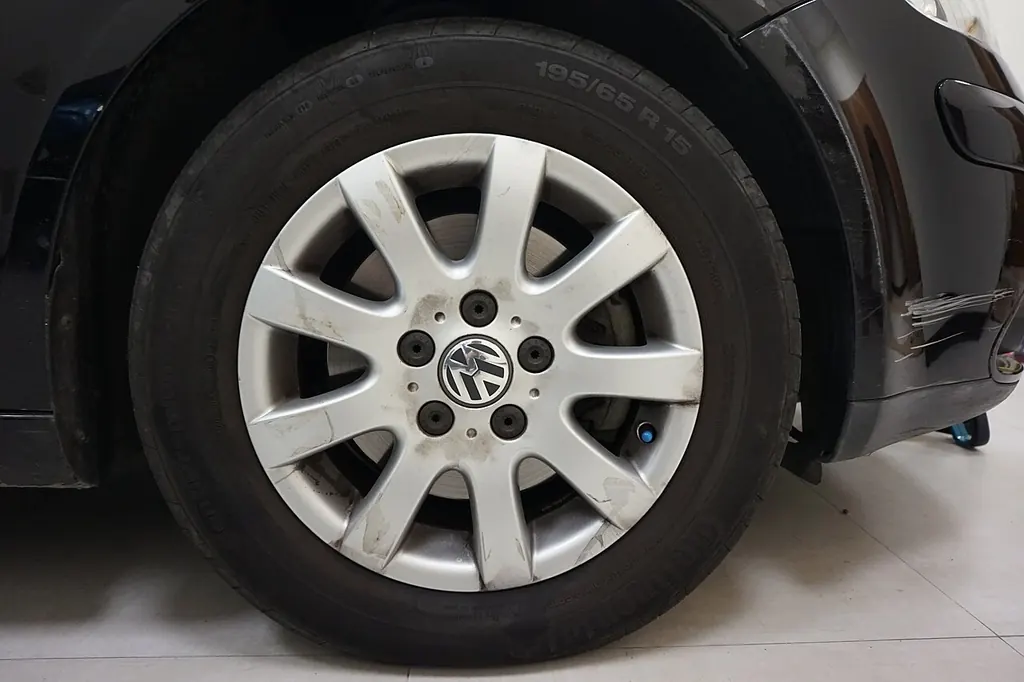
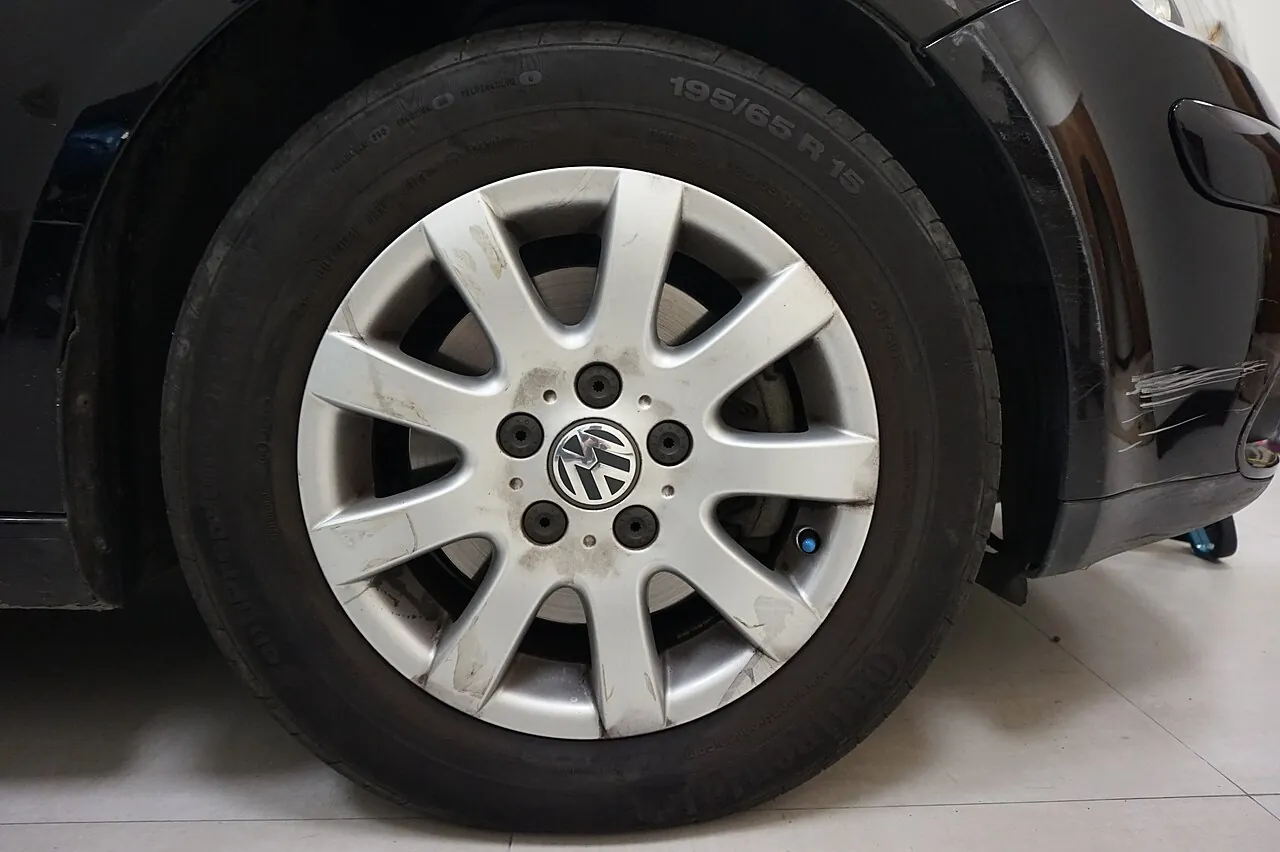
Identify the set currently fitted and the condition of any stored set. Check size and other relevant specifications against the vehicle’s requirements. If you cannot identify a marking confidently, ask a tyre specialist before booking a routine swap. A seasonal change is not useful if the replacement set is unsuitable or already damaged.
For legal seasonal requirements in Estonia, start with the Transport Administration’s vehicle guidance and linked technical rules. Confirm the provisions relevant to your vehicle and intended use. Do not base the decision only on a remembered date, an old forum post or the broad claim that a particular tread pattern works everywhere.
Measure pressure according to the manufacturer’s instructions, taking account of the fitted size and loading conditions. Check visible condition and have concerning damage assessed. Avoid copying a pressure value from another car or treating a warning system as the only check. The appropriate routine belongs to the vehicle and tyre combination you are using.
Arrange the change in time and decide where the removed set will go. The seasonal tyre-storage guide helps with cleaning, labels and suitable placement. Record observations before storage so a defect is not forgotten until the next appointment, when the same questionable tyre is about to be fitted again.
Use maintenance history to choose workshop tasks
Review the service record and manufacturer schedule for the vehicle’s age and use. Note work that is due or whose completion is uncertain. Autumn is a useful point to check the record, but it does not create one universal service package for every petrol, diesel, hybrid and electric car.
If starting has become unusual or electrical behaviour changes, describe the symptoms when arranging an assessment. A battery check or other diagnostic work should address the observed problem rather than assume a cause from the season alone. Do not replace parts solely because a general checklist says every car needs the same treatment at this time.
Check owner-serviceable fluid levels only by the handbook’s procedure, observing its temperature and access instructions. Do not open a hot pressurised system or mix fluids on the basis of colour alone. If a level repeatedly falls, a top-up is not an explanation; record the pattern and have the cause investigated.
Keep the inspection deadline separate from the maintenance plan. The Estonian vehicle-inspection guide explains preparation for that visit. A valid inspection does not replace scheduled service, and a new braking, steering or other safety-related symptom needs attention before an ordinary future appointment.
Organise equipment and the luggage area
Review the required equipment for your vehicle and make sure it is usable, accessible and secured. Remove items left from summer outings that no longer belong in the car. An overloaded collection of loose accessories can make it harder to reach something important and easier to lose track of its condition.
Choose any additional journey supplies according to actual use. A car used for short urban trips and one used for a long rural visit may need different preparations. Keep a suitable weather layer and practical items in a defined place if needed. Do not let convenience turn the passenger footwell or rear shelf into unsecured storage.
Check the driver’s mat after cleaning or changing it. It must fit and be secured according to the vehicle’s instructions, without interfering with the pedals. Do not stack mats to deal with moisture. Review child seats and other installed equipment according to their own instructions whenever moving things around the cabin.
Keep roadside assistance and other useful contact details available in a form you can access if the usual app or connection is unavailable. Make sure another regular driver knows where the relevant information and equipment are. A shared car benefits from a simple agreed arrangement rather than a system known only to one person.
Match each journey to the actual conditions
Before a longer or weather-sensitive journey, check the Estonian Environment Agency’s current warnings and the forecast for the route. Read the place and validity period of a warning rather than looking only at a symbol. Conditions at the departure point do not describe the whole journey.
Allow enough time to prepare the car and make route decisions while parked. Set navigation, arrange passengers’ belongings and clear the necessary view before moving. Preparation loses its purpose if the driver must search through equipment or change a complicated setting after the journey has begun.
Be willing to change the timing or plan when conditions make the original journey unsuitable. A recently serviced car does not remove the need to respond to weather and road conditions. If a new fault appears before departure, resolve its significance rather than relying on the fact that the car behaved normally the previous day.
Keep a short recurring review instead of waiting for another large seasonal checklist. A note about a fading wiper, a damp area or a changed warning can lead to a small timely action. The useful outcome is a car whose condition you understand and a journey prepared with the information available today.