Vehicle inspection in Estonia: preparing for the visit
Check your inspection deadline and arrangements through the Estonian Transport Administration and the inspection station you choose.
Preparing for a vehicle inspection in Estonia starts with the car’s actual records and condition. Confirm which inspection is due, arrange the visit and deal with known faults in time. A preparation checklist can help you notice everyday problems, but it cannot replace the inspection equipment or a workshop’s diagnosis of a mechanical fault.
Keep three questions separate: what the inspection rules require, what the vehicle manufacturer specifies for maintenance and what you have recently observed while using the car. They overlap, but they are not interchangeable. A car may need scheduled maintenance even when its inspection is still valid, and a new symptom should not wait for the next appointment.
Confirm the deadline for your vehicle
Look up the recorded inspection information for the particular vehicle through the Transport Administration’s official services. Check the registration details carefully rather than relying on a previous owner’s recollection. Vehicle category, age and use can affect the relevant procedure, so a date copied from another household car is not a reliable reference.
The Transport Administration’s inspection guidance sets out documents, deadlines and arrangements for different inspection types. Its ordinary-inspection requirements should not be assumed to cover every special case. Use the current official information when planning; the preparation advice here does not grant permission to drive a vehicle whose inspection or condition is inadequate.
Put the actual deadline and the intended appointment in your calendar as separate entries. Leave time to investigate a known fault and complete any required work. Booking at the last possible moment makes an ordinary repair harder to organise, especially if a part or a specialist appointment is needed.
If the inspection has already expired, the vehicle has been directed to an extraordinary inspection or the current result is unclear, ask the authority or station about the permitted next steps before travelling. Do not assume that possessing a booking makes any journey lawful. Arrange a suitable way to present the vehicle based on its actual status.
Choose a station and ask useful questions
Use the official inspection-station directory to find a station handling the relevant vehicle category. Confirm the address and booking arrangements with the station itself. A nearby location is useful only if it can perform the particular inspection required for your car or other vehicle.
When booking, state the vehicle category and any unusual configuration that could matter to the visit. Ask about the documents, access and preparation the station needs. If your question concerns a warning message or known fault, describe it accurately rather than asking how to make the car appear ready without resolving the cause.
Clarify the sequence on arrival: where to park, where the driver waits and how the result is explained. Do not assume that you should drive directly into a testing area. Follow the staff’s instructions around equipment and keep passengers away from places intended for inspection work.
Record the station’s answer to any special question with the appointment details. This is particularly useful if somebody else will present the car. A clear handover note prevents the second person from having to reconstruct the discussion from a vague message such as “they said it should be fine.”
Gather records and clear access
Prepare the vehicle’s registration certificate and any additional documents applicable to its inspection type, checking the current official document requirements. Keep the previous inspection result and records of relevant repairs available. The aim is to make the vehicle’s identity and recent work understandable, not to arrive with an unsorted bag of every receipt.
Read the previous report before the appointment. Identify observations that were meant to be addressed and check what was actually done. A verbal memory that a workshop “looked at it” is less useful than a record describing the work. If a point remains unresolved, contact the workshop while there is time to clarify it.
Remove unnecessary loads and arrange the cabin and luggage area so required inspection points can be reached. Do not dismantle unfamiliar trim or electrical parts to create access yourself. If the station needs something specific, ask how it should be presented. Keep ordinary personal belongings from obstructing seat belts, controls or visibility.
Check the applicable required equipment and its condition using the authority’s current guidance for your vehicle. Make it accessible and secured rather than buried beneath loose items. A full list depends on the vehicle and use; copying an equipment list from a foreign motoring article can miss the local requirements.
Check visibility and everyday functions
Clean the windscreen and other windows inside and out, and remove objects that block the driver’s view. Look at the glass for visible damage and ask a suitable specialist about uncertain defects. A clean surface makes damage easier to notice; polishing over it or placing an object in front of it does not solve the underlying issue.
Check wipers and washers using the vehicle’s instructions. Note streaking, a blade that fails to clear its area or a washer that does not deliver fluid properly. Use the specified fluid and a suitable temperature rating for the expected conditions. Do not improvise a chemical mixture merely because the reservoir is nearly empty.
Inspect exterior lights with a helper or a safe reflection while the vehicle is stationary and secured. Check the functions systematically instead of glancing at the front once. A lamp that illuminates does not prove its beam is correctly adjusted. Leave uncertain alignment, electrical faults and unfamiliar replacement procedures to appropriate service work.
Keep a short list of what you find, separating a simple cleaning task from a defect needing assessment. The autumn car-preparation guide develops the visibility routine for changing weather. These checks are useful throughout normal ownership, not just as a performance immediately before an inspection.
Look at tyres without guessing their suitability
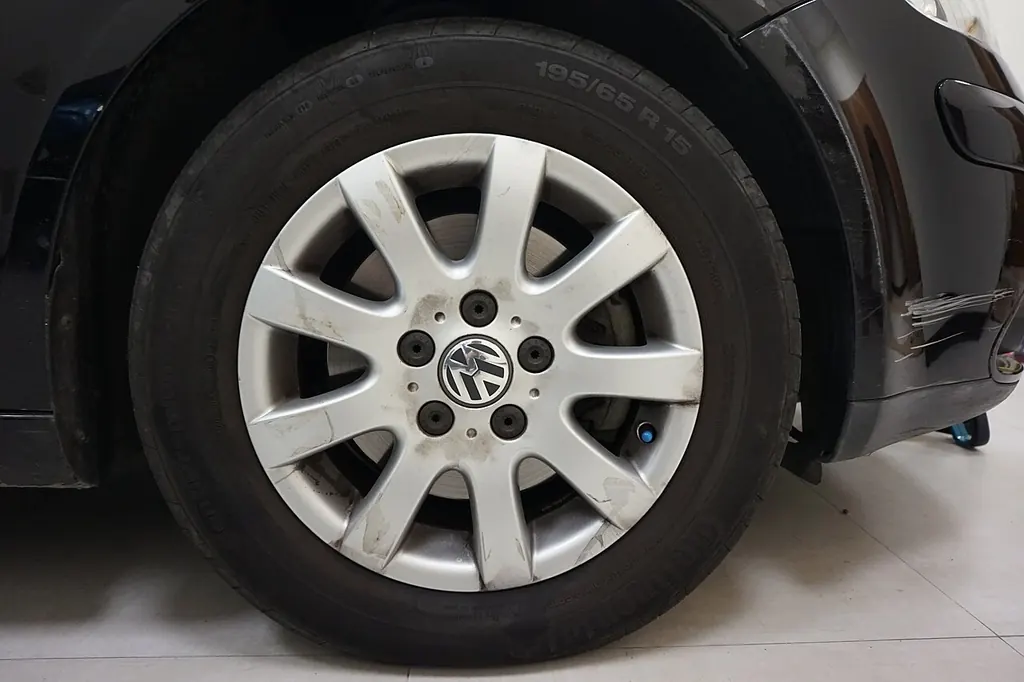
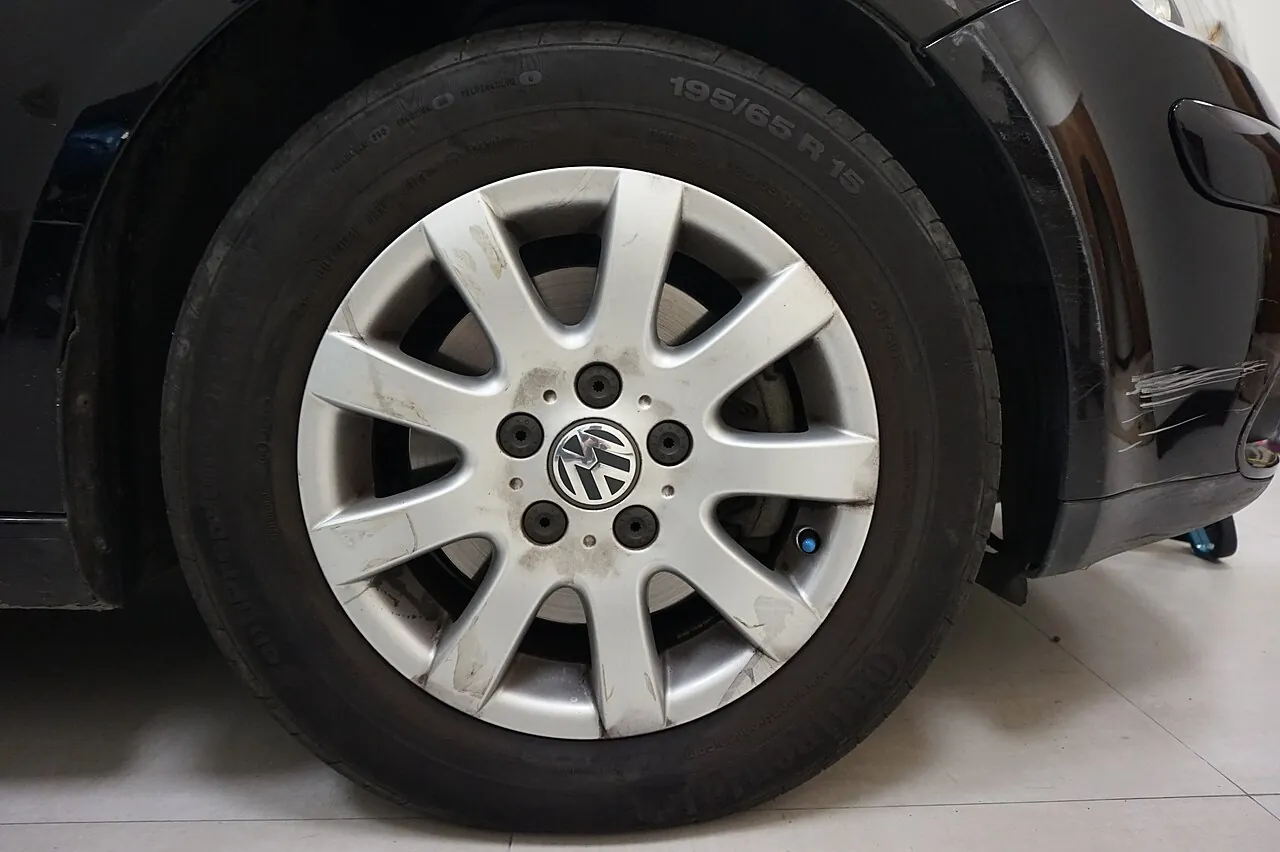
Inspect visible tyre surfaces for damage and uneven wear without crawling beneath an unsupported vehicle or lifting it without the proper procedure. If a bulge, cut or other concerning defect is present, obtain professional advice before continuing to use the tyre. A photograph can help explain the observation when arranging that assessment.
Check pressure against the vehicle manufacturer’s instructions for the fitted tyres and load. NHTSA’s tyre guidance distinguishes the vehicle’s recommended cold pressure from the number on the tyre itself. Do not assume all four positions always use the same value or that a tyre looking inflated establishes the correct pressure.
For tread, size and seasonal suitability, use the current Estonian requirements together with the vehicle and tyre specifications. A broad impression of a chunky pattern is not a measurement. Ask a tyre specialist to assess anything you cannot identify confidently, especially when the car arrived with an unfamiliar set from a previous owner.
If changing seasonal sets, label and inspect the removed set before putting it away. The tyre-storage guide explains how to preserve identification and organise the next fitting. Storage does not repair wear or make a questionable tyre suitable simply because it has spent several months off the car.
Treat symptoms as repair questions
Write down unusual noises, changes in braking or steering, recurring pressure loss and warning messages. Include when the symptom happens: at startup, during a turn, after rain or under another repeatable condition. Describe what you observed rather than diagnosing a component from an internet phrase that happens to sound similar.
Do not clear warning messages merely to make the dashboard look normal for the appointment. The cause needs investigation, and erasing a message is not evidence of repair. If the vehicle handbook instructs you to stop or seek assistance for a warning, follow that instruction instead of treating the inspection date as a reason to continue driving.
Avoid road experiments designed to reproduce a potentially dangerous fault. A change in braking, steering or other safety-critical behaviour belongs with a qualified workshop and an appropriate transport decision. The preparation list should help you communicate the problem earlier, not encourage testing limits on a public road.
For an electric or hybrid vehicle, keep checks within the owner’s permitted routine and leave high-voltage components alone. For any powertrain, do not work underneath a vehicle supported only by a jack. Different cars need different service procedures; a generic article cannot turn unfamiliar mechanical work into a safe shortcut.
Understand the result and arrange the next step
Read the inspection result before leaving and ask about every point you do not understand. Clarify what needs repair, whether another inspection is required and what conditions apply before the vehicle can be used. Do not infer the severity or permitted use solely from a brief conversational phrase at the counter.
Where a repeat inspection is required, the Transport Administration’s procedure page specifies returning to the station that assigned it. Confirm the relevant timing and arrangements for your result. Keep the report with the workshop instructions so the repair addresses the recorded issue rather than an abbreviated recollection.
After repairs, retain the description of work and any follow-up result. Add the next recorded deadline to the calendar and continue the manufacturer’s maintenance schedule separately. A passed inspection is not a promise that no future fault will occur. Respond to new symptoms as they arise instead of waiting for the next formal check.
Finally, return only necessary items to secure positions in the car. The interior-cleaning guide helps maintain clear controls, properly fitted mats and accessible belongings. A little organisation makes later checks easier and keeps the inspection visit part of ordinary vehicle care rather than a last-minute scramble.