Plan a child's birthday with a simple running order
A party does not need dozens of activities. A clear beginning, a few suitable games and a calm finish help everyone enjoy it.
A child’s birthday is easier to organise when the plan has a clear beginning, a few suitable activities and an unhurried ending. The number of decorations or games does not determine whether the day works. Start with the child’s preferences, the people attending and the space available, then choose a programme that the adults can actually supervise.
This guide offers a practical example rather than a rule about how many guests or hours suit every age. A small home gathering and a hired activity space need different arrangements. Keep the important decisions visible in one place so invitations, food, supervision and the running order support the same plan.
Choose the size and character of the gathering
Ask the child what part matters most: making something together, playing with a few friends, sharing a favourite cake or visiting a particular place. Offer realistic choices. A request for a space adventure may be satisfied with a simple story and paper clues; it does not automatically require buying a complete themed set.
Decide the guest group according to the available space, activities and adults, not a formula based only on the birthday child’s age. Think about who already knows one another and who may need help joining in. A smaller group can still have a full celebration, and a quiet child does not need a loud programme to have a proper birthday.
For a venue, check its current conditions before committing: capacity, access, included activities, adult supervision, food arrangements and the time allowed for setup and cleanup. Confirm what the booking actually covers. Photos of a decorated room may show extras that are not part of the reservation you are considering.
At home, identify the space for the main activity, eating and a quieter pause. Clear the walking routes and protect rooms or objects that should remain outside the party. If moving furniture, keep stability and exits in mind. A usable room matters more than squeezing in one additional table or decorative display.
Make the invitation answer practical questions
Include the child’s name, date, beginning and ending time, exact location and a contact for replies. Clarify whether parents are expected to stay and what supervision is arranged. If the venue has a particular entrance, meeting point or clothing requirement, include that information briefly rather than assuming everybody will discover it on arrival.
Ask families to share relevant food requirements and practical participation needs privately. Do not put personal details about one child into a group message. The aim is to make the event usable for the actual guests, not to collect unnecessary information. Check any unclear food arrangement directly with the responsible parent instead of guessing.
Set a useful reply point so you can finalise quantities and activities. Keep a simple guest record with attendance and agreed collection arrangements. For a party without parents staying, know which adult is responsible for each child and how to contact them. Use information for organising the event and avoid sharing the list unnecessarily.
If weather affects the location, explain how you will communicate a change. A short message with the revised address and time is clearer than several partial updates. Before the day, verify that the people who need the update received it. A good invitation reduces the number of decisions families must make at the door.
Give adults explicit roles
Name the person welcoming arrivals, the person leading the activity and the person managing food. In a small gathering, one adult may hold more than one role, but the timing must make that possible. Somebody cannot supervise a moving game closely while also being occupied with a hot pan in another room.
Agree who accompanies children when help is needed and who stays with the remaining group. Keep the arrangement appropriate to the venue and children. Do not assume a hired room includes a responsible activity leader unless that is confirmed. Similarly, the oldest guest should not become the default supervisor for the younger ones.
Keep a small practical station with the attendance note, contact information and ordinary supplies needed for spills or cleanup. Store tools and cleaning products out of children’s reach. Adults should know where the bathroom, exits and quiet area are so routine questions do not interrupt the main activity repeatedly.
Choose one person to communicate changes during the event. If an activity finishes early, the adults can make a short adjustment without giving the children several conflicting instructions. A shared simple running order helps everyone see what comes next and where there is room to shorten or extend the programme.
An illustrative two-hour running order
For a gathering where two hours suits the participants, one possible sequence is: minutes 0–15 for arrivals and a simple table activity; 15–35 for a shared game; 35–60 for making or solving something together; 60–80 for food and cake; 80–105 for flexible play; and 105–120 for a calm ending and collection. These blocks total 120 minutes.
The flexible block is deliberate. It can absorb a late start, a particularly enjoyable game or a child who needs more time eating. Do not fill it in advance with another required performance. If the group wants a shorter event, reduce the number of activities rather than rushing every part through an unsuitable timetable.
Keep arrivals easy to join. A shared drawing or a simple construction task lets guests participate without waiting for everybody. Save the central game until the group is ready. At the end, choose an activity that can stop individually as guests leave, so collection does not repeatedly interrupt a complicated final challenge.
Tell children the next step shortly before a transition. “One more clue, then we will wash our hands and sit down” is more understandable than suddenly removing the game. Keep the schedule visible to adults, but avoid making children feel they are failing whenever the clock and their interest do not match perfectly.
Choose activities that work for the actual group
A cooperative clue game can involve finding large picture cards within a clearly defined area and arranging them into a story. Keep clues away from stairs, traffic, water and places where children should not search. Let participants contribute in different ways: noticing a picture, carrying a card or explaining the sequence.
For a creative activity, choose a result that can be completed with modest help, such as a shared birthday poster or a simple paper character. Prepare materials before guests arrive and keep sharp or unsuitable tools under adult control. Avoid a project that leaves every child waiting for the same adult to perform a difficult step.
Have a quiet option available without presenting it as a punishment. A book, drawing space or simple puzzle can allow a guest to pause and rejoin later. Games without elimination make mixed abilities easier to include. The indoor activity collection gives alternatives if the weather or the room changes the original plan.
Test the instructions yourself. Can you explain the game in a few clear sentences, and is there an obvious finishing point? If not, simplify the rules before adding prizes or decorations. A game that is easy to begin and fair to participate in usually needs less constant adult correction during the celebration.
Keep food manageable and clearly organised
Choose a small menu that fits the confirmed guests and the facilities. Ask about food restrictions before deciding, then keep ingredient information available and avoid assuming that removing a visible topping makes a dish suitable. Where preparation or handling requirements are unclear, discuss a workable option with the relevant parent or food provider.
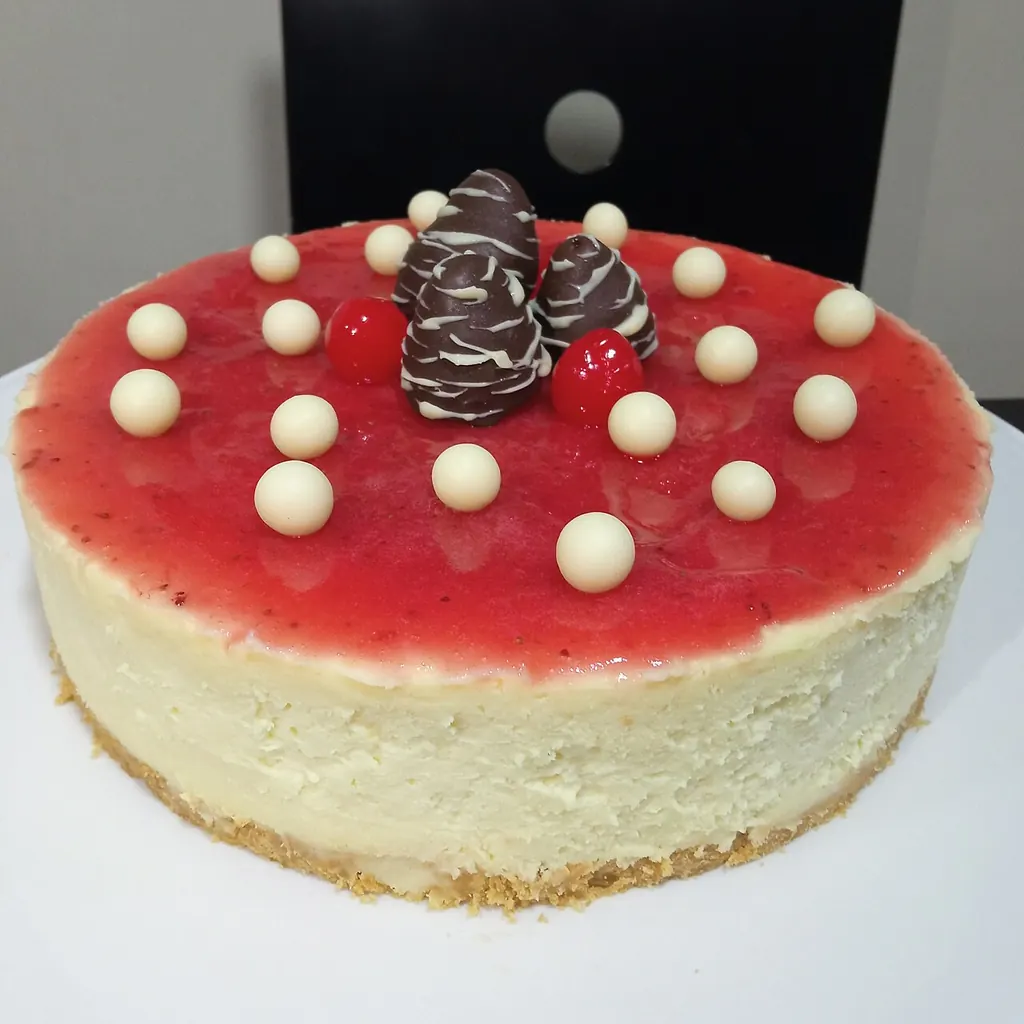
Plan when food is prepared, where it is kept and who serves it. A party is not the best moment to discover that the refrigerator has no room for a dessert that requires chilling. If choosing the baked cheesecake, account for its preparation and cooling in the separate recipe rather than trying to make it during the guests’ activity.
Separate the food area from wet crafts and active games. Use serving arrangements suitable for the children present and keep hot drinks, sharp knives and other adult items out of the play route. Make water and ordinary breaks easy to access with appropriate supervision. The programme should allow eating without pressure to finish quickly for the next game.
Treat candles and cake cutting as adult-managed moments. Check where people stand before gathering around the table, and keep decorations away from heat. If the child does not want a public performance or a loud song, choose another way to mark the moment. The celebration should reflect the person whose birthday it is.
Add personal details without overloading the day
A greeting board, a favourite colour or one shared memory can make the party personal. The original birthday verses offer starting points for a card or short message. Add a real detail about the child rather than expecting an elaborate theme to carry all the meaning of the event.
Decide how photographs will be handled and ask parents before sharing identifiable images of guests. A private family picture and a public social post are different uses. Keep photography from interrupting every activity or requiring children to perform repeatedly for the camera. Some of the best moments can remain ordinary shared memories.
If giving a small take-home item, choose something appropriate and easy to identify. Label each child’s craft if it needs to travel home. Gifts and decorations should not complicate collection or introduce unsuitable small parts for younger siblings. They are optional additions, not a measure of how successfully the party was organised.
Close the party and keep the useful notes
Begin collection calmly, checking that each child leaves with the agreed adult and their belongings. Have a short update ready if a parent needs to know something practical. Keep the remaining children supervised while arrivals at the door are handled. The party is not finished from an organising perspective until those handovers are complete.
Afterwards, note what worked: the right amount of activity, a food quantity that was useful or a rule that needed simplifying. Keep only the planning details worth reusing and handle personal guest information appropriately. A small practical record is more helpful next year than a large collection of decorations without a clear place to store them.
Ask the birthday child which part they enjoyed most. Their answer may be a quiet conversation or a shared game rather than the element that took the most preparation. Use that response to guide the next celebration. A manageable plan leaves adults with enough attention to be present, which is part of what makes the day feel personal.