Pikakari Beach: a seaside walk in Tallinn
Pikakari offers a starting point for a seaside outing in Tallinn. Choose the route for the weather and your companions, not only a sunny photograph.
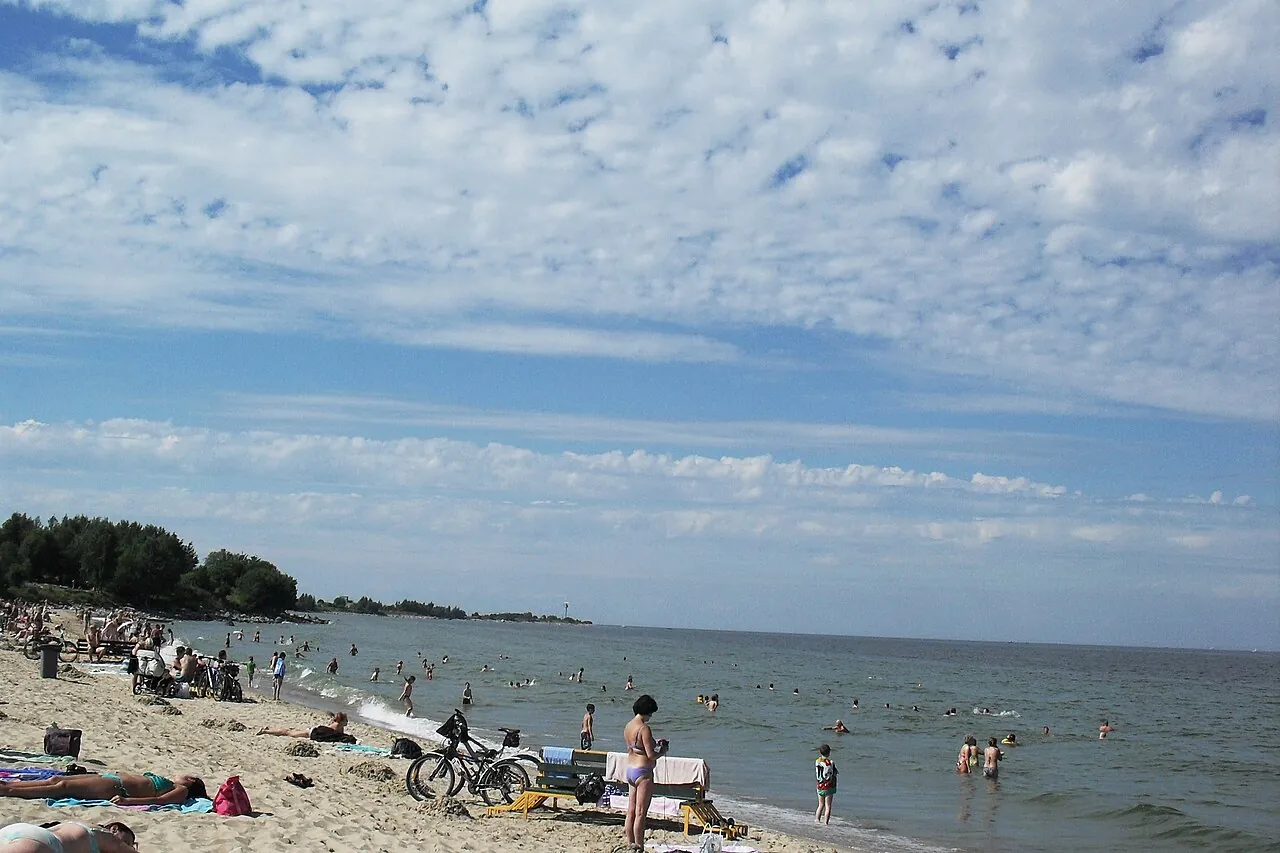
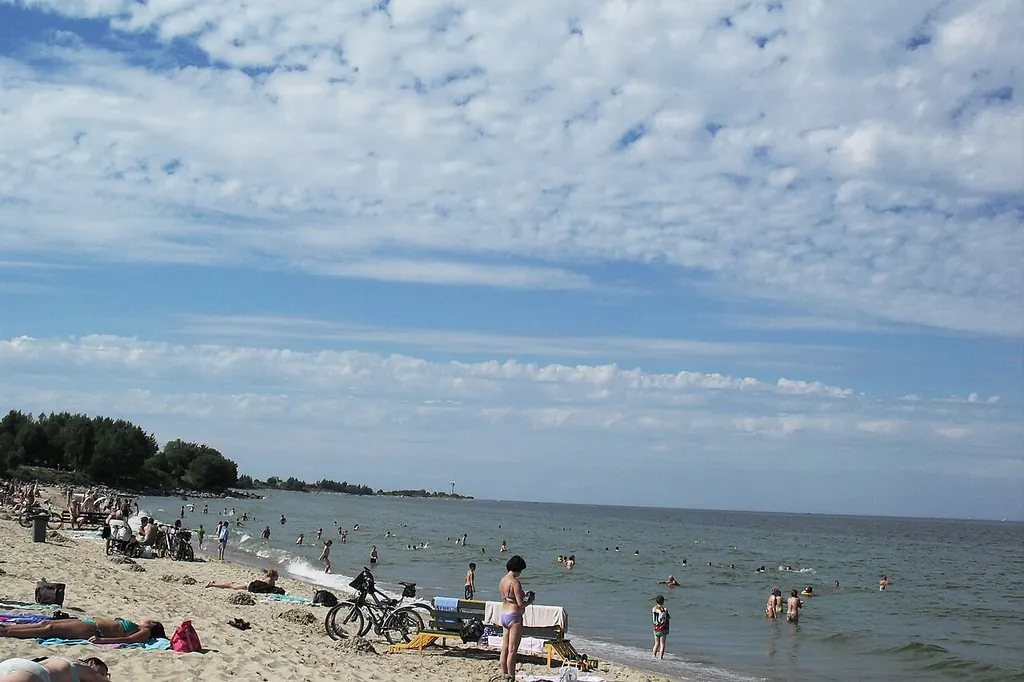
Pikakari works well as a deliberately simple seaside outing: arrive, spend time by the water and decide whether you want a longer walk. Start with the beach rather than promising yourself a complete circuit of the peninsula. That leaves room to respond to the weather, the people with you and what is actually open or comfortable on the day.
Visit Estonia places Pikakari Beach on the Paljassaare Peninsula in Northern Tallinn, near Katariina Quay, at Paljassaare tee 46. This gives you a clear destination for transport planning. The beach and the nearby protected landscape offer different experiences, so choose the extent of the outing before you begin walking away from your arrival point.
Choose between three kinds of visit
For a short visit, make the beach itself the destination. Walk only as far as everyone can comfortably return, pause to look at the water and leave time to get back to your transport. This is a complete outing in its own right, particularly with a small child or someone who prefers frequent rests.
For a slightly broader seaside visit, inspect the currently open approach towards Katariina Quay and decide on site whether conditions suit your group. A quay is not automatically appropriate in every wind or surface condition. You can enjoy the view from a suitable position without making the outermost point an obligatory goal.
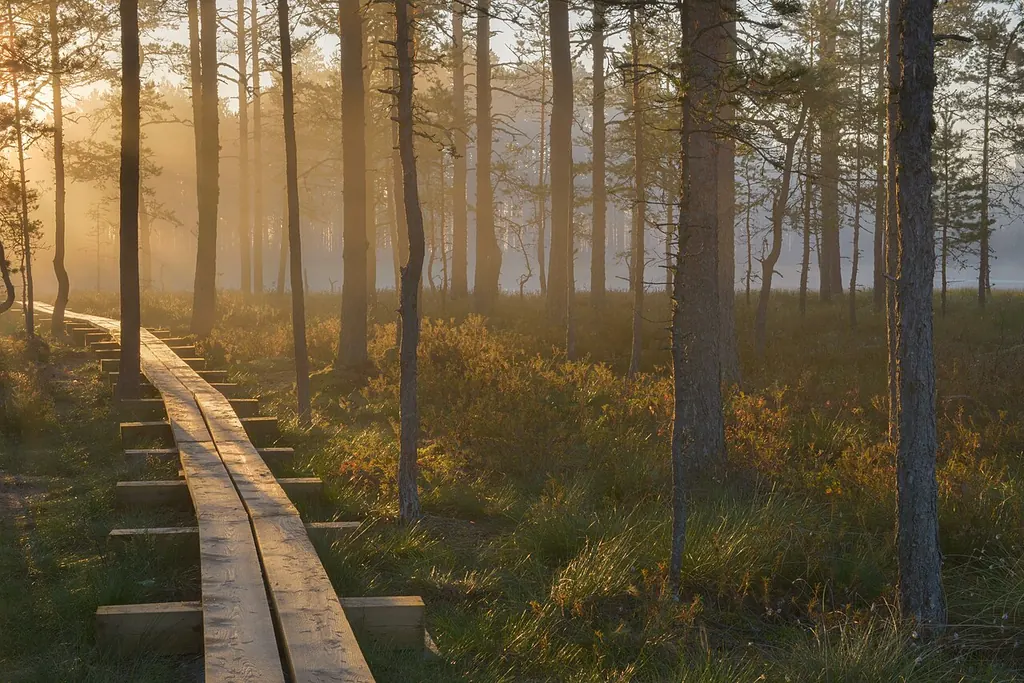
For a nature-focused visit, treat the Paljassaare conservation area as a separate addition. Check its current map, signs and access restrictions before entering. The official tourism description of Paljassaare highlights reed beds, meadows, birdwatching towers and a boardwalk. It does not mean every visible path forms an unrestricted shortcut.
Build the journey around the return as well
Use the beach address in your journey planner and inspect the final approach. When travelling by bus, check the route, stop and timetable for the actual day. Save the return departure and a later option if one exists. A relaxed walk becomes less relaxed when the only remembered detail is how you arrived.
If coming by car, use the parking arrangements indicated on site and keep access routes clear. Do not assume that a patch of open ground is available parking. With bicycles, plan where to leave them or where they can be used under the current signs; a route that looks wide enough is not necessarily a permitted cycling route.
Choose a meeting point that your companions can recognise. “At the beach” is vague when people spread along the shore. A specific entrance or clearly identified feature is more useful. Keep the agreed return time realistic for the slowest person rather than calculating it from the fastest adult’s walking pace.
Look at wind and conditions, not just temperature
Check the forecast for the hours you expect to be outside and consult Estonia’s official weather warnings when conditions are unsettled. A city temperature alone does not describe how a coastal outing will feel. Consider wind, precipitation and visibility alongside the forecast number.
Use clothing that allows you to adjust after arrival. Keep an extra layer reachable rather than buried beneath food or camera equipment. If the wind makes standing still unpleasant, shorten the visit or choose another day. A long planned route is not a commitment to continue when the actual experience no longer suits the group.
Check surfaces as you go. Wet, icy or storm-affected sections can change an otherwise straightforward walk. Do not step onto sea ice or follow someone beyond a barrier because you saw a photograph from another season. Choose the parts of the public route that are suitable now.
Keep walking and swimming as separate plans
Visit Estonia notes that the water becomes deep quickly and that the first part of the seabed is rocky. A sandy beach therefore should not be treated as proof of a long shallow entry. Decide separately whether swimming fits the current conditions and the abilities of the people involved.
Before entering the water, check the beach’s current information, warnings and any supervision arrangements. A previous seasonal service or a facility shown in an old photograph is not a guarantee that it is operating today. For a visit intended only as a walk, there is no need to turn the day into an unplanned swimming session.
With children, agree which adult is actively supervising near the water. Looking at a phone, taking photographs and watching a child are competing tasks. Make a clear handover if adults change roles. The water’s appearance does not remove the need for attention or appropriate decisions about where the group stays.
Give children a reason to look more closely
A small observation game can add interest without requiring a bag of equipment. Ask each child to notice three different sounds, two colours in the water and one shape in the distant skyline. These are observation prompts, not facts to be memorised, and the answers can change during the same visit.
Let the child choose a safe place for a short pause and explain what they noticed. Avoid turning every answer into a correction. The purpose is attention and conversation. Keep the activity away from the water’s edge or any narrow part of the route where stopping would create a problem for others.
If the outing is part of a larger family day, use the weekend-with-children guide to keep one main activity and a manageable return. A playground or an additional walk should remain optional. Leaving while the group still has some energy often makes the trip easier to repeat.
Explore the protected landscape with a quieter approach
Before adding Paljassaare, read the local information and choose a marked route you can complete within the time available. Protected areas can have site-specific and seasonal restrictions. A general tourism description cannot replace the signs and current guidance for the exact place you enter.
For birdwatching, begin with a short period of still observation from a permitted location. Binoculars can be useful, but you can also notice movement and different shapes without them. Keep your distance from animals, avoid approaching nests and do not try to draw wildlife closer for a photograph.
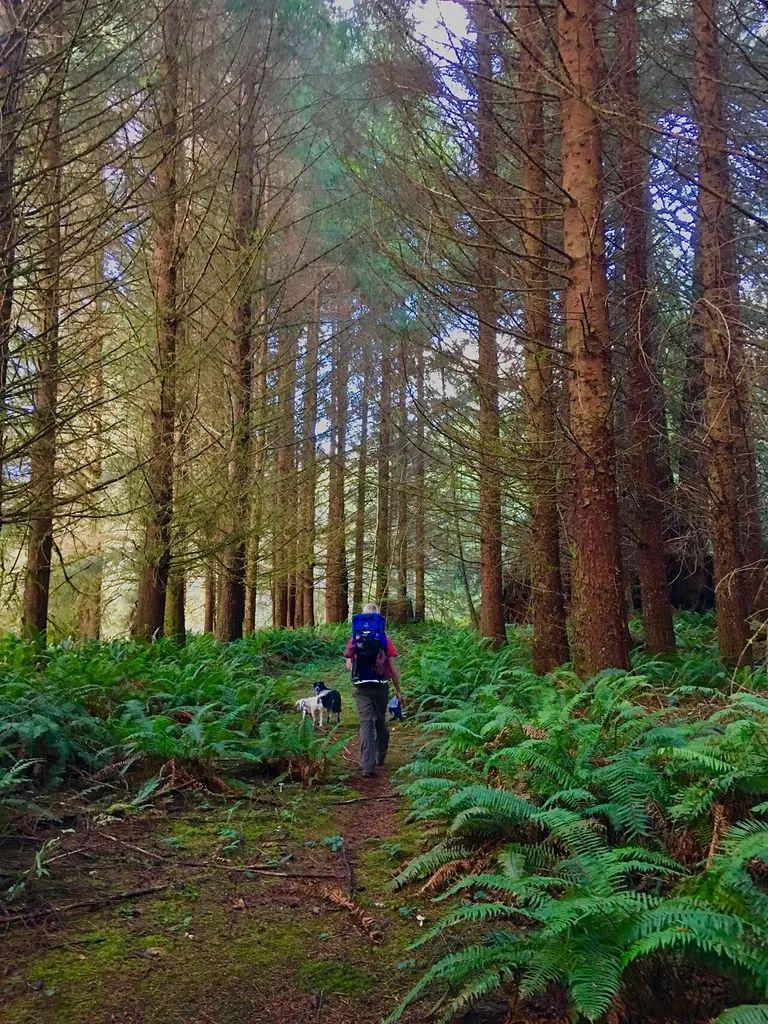
If bringing a dog, establish where it is allowed before setting off. Do not assume beach rules and protected-area rules are identical. Arrange suitable control and clean up appropriately. If the intended route does not accommodate the dog’s needs or permissions, choose another outing rather than looking for an unmarked way around a restriction.
Plan access according to the surface you will actually use
A beach visit can involve several different surfaces between the transport stop, entrance, facilities and water. If someone uses a wheelchair, walking aid or pushchair, check that whole chain. A generally accessible facility does not prove that every approach remains suitable under every weather condition.
Ask the relevant city service about current equipment or assistance arrangements if you need them. Describe your requirements precisely: step-free access, resting opportunities, the surface near the destination or access to a toilet. Verify availability for the date instead of assuming a seasonal service operates throughout the year.
Give the group a simple shorter option. For example, decide in advance that the beach entrance and one suitable viewpoint are sufficient if the longer route is awkward. This is more comfortable than discovering halfway along an unsuitable path that everyone feels obliged to continue.
Take photographs without losing the walk
Try one wide view, one detail and one photograph of your companions in a comfortable permitted place. The sequence encourages variety and helps you put the camera away afterwards. Check the horizon and your standing position before moving closer to the edge for a different angle.
Wind can make phone handling awkward, so stop securely before taking a picture. Avoid walking backwards while composing a frame. Keep other visitors’ route open and ask before making an identifiable stranger the main subject of a photograph.
Do not judge the outing by whether the sea matches an online image. Cloud, waves and changing light are part of the visit. A photograph showing your actual day is often a better memory than a long search for a scene that existed under different conditions.
Finish with a short, workable checklist
Before leaving home, confirm the route to the beach, the return journey, the forecast, suitable clothing and drinking water. Add food if your timing requires it and a bag for your own rubbish. Check essential supplies directly rather than assuming they can all be bought beside the beach.
At arrival, decide whether today’s visit is beach-only, a permitted seaside extension or a separately checked nature walk. Set a turnaround time and keep optional parts genuinely optional. For a longer route, use the day-walk planning guide. Pikakari does not need an ambitious itinerary: a clear arrival, a comfortable stretch of coast and an uncomplicated return can be enough.