Things to do with children: three easy weekend plans
A good family day does not need a packed timetable. Choose one main activity and leave room for food, rest and changes.
A family weekend does not need several booked attractions to feel different from an ordinary day. One main activity, a clear place for eating and an easy way to change the plan can be enough. Start by choosing the kind of day your household can manage: a short outing, a shared project at home or a visit built around one place.
The three plans below are examples to adapt, not fixed schedules for every age. Children differ in what they enjoy, how long they want to stay and how much help they need. Choose activities and materials that suit the particular children, with an adult responsible for supervision rather than expecting the oldest child to manage everyone.
Choose the day together without creating endless options
Offer two realistic choices that you are prepared to carry out. “A neighbourhood discovery walk or a pancake café at home?” gives a child a meaningful decision without opening a list of distant activities that cannot happen today. Let different family members contribute one element, such as the walking game, music or table decoration.
Check the practical limits before describing the plan as certain. Include transport, the weather, opening information for any venue and the time needed to return. If a booking is necessary, use the venue’s current instructions. A photograph or old social post does not establish that an activity is available this weekend.
Decide which part makes the day worthwhile if everything else is shortened. It could be looking for interesting doors on one street or preparing one shared meal. This helps avoid treating an early return as a failed excursion. A plan with one recognisable purpose is easier to adapt than a chain of activities that all depend on perfect timing.
Plan one: a neighbourhood discovery walk
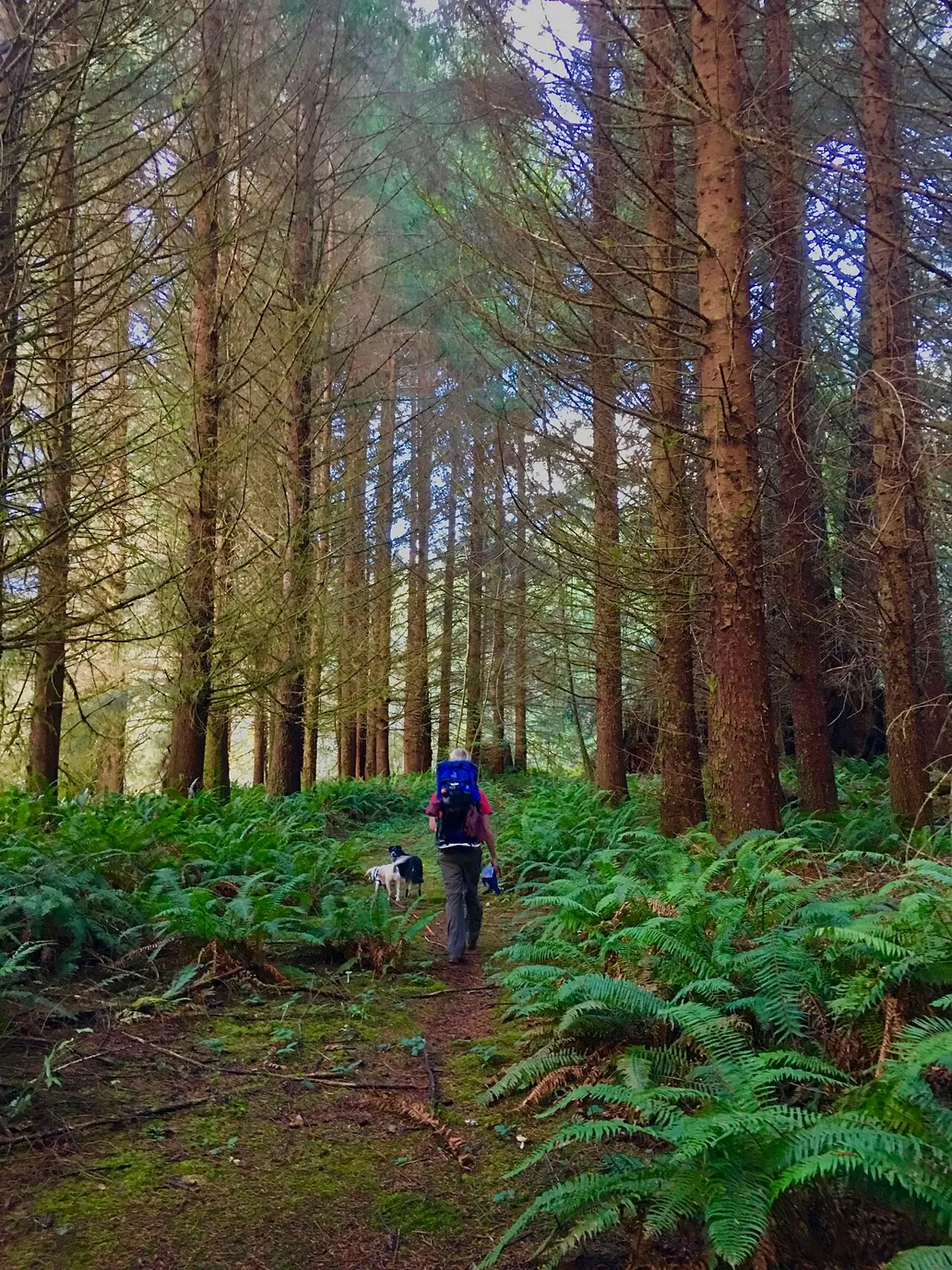
Choose a familiar, manageable route with a clear turning point and a place to pause. For a first attempt, a nearby park or quiet street can work better than a long journey to an unfamiliar destination. Check crossings, steps and the route’s suitability for anyone using a pushchair or other mobility aid.
Make a short observation challenge. Look for three different leaf shapes, a round window, a bird sound and something that has changed since your last visit. Use looking and listening rather than collecting plants or approaching animals. The challenge should make the surroundings interesting without encouraging children to run away from the agreed area.
Give children different roles if that helps. One can choose the next observation, another can sketch a detail and another can remember the route. An older child might invent a question for the rest of the group. The roles are invitations, not a competition over who notices the most or produces the best drawing.
Pause before everyone becomes impatient. A bench and a simple packed snack can become part of the outing rather than an interruption. Choose a stopping place away from traffic and water edges, and keep the usual supervision. If the route is longer or less familiar, use the day-walk planning guide to check the practical details.
At home, let each person choose one detail to remember: a quick drawing, a sentence or a photograph taken without intruding on others. There is no need to make a large craft project afterwards. The small record connects the outing with family conversation and provides a starting point for a different observation game next time.
Plan two: open a small café at home
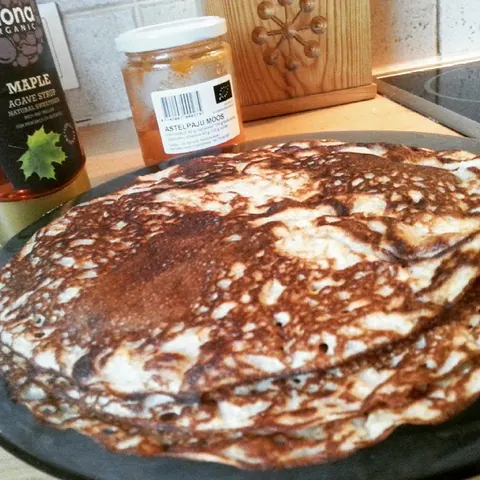
Choose one manageable food activity and build the afternoon around it. A pancake café can combine preparing a table, making a short menu and eating together. Use the thin-pancake recipe as a separate cooking guide, and assign hot pans, sharp tools and other adult tasks to the adult handling them.
Before starting, clear the working area and decide which steps children can do with suitable help. Some may draw a menu or arrange napkins; others can measure an ingredient or mix under supervision. Nobody needs to participate in every stage. Keep small decorative items and tools appropriate to the children present.
Make the café imaginary rather than complicated. A folded paper sign, a choice of two toppings and a table number are enough. Do not spend the whole morning producing elaborate decorations for a game that may last twenty minutes. The shared activity matters more than reproducing a commercial venue at home.
Allow a simple role change. A child who wanted to take orders may prefer setting the table once the food arrives. Adults can model asking politely and checking what somebody actually wants. Avoid making the game depend on reading ability or quick arithmetic unless the participants themselves enjoy that extra challenge.
Finish with a defined closing routine. Put away reusable decorations, clear the table and decide whether to keep the menu as a memory. Give each person one small manageable task. Ending the activity together makes it less likely that one adult is left with a large unplanned cleanup after everybody else has moved on.
Plan three: one destination and one question
Choose a library, exhibition, local visitor centre or another place that fits your family’s interests. Check its official information for the intended day, including access, tickets if relevant and any activity restrictions. The plan does not depend on a particular venue being open; keep a nearby alternative in mind before travelling.
Set one question to explore. At a library, each person might look for a book with an unfamiliar setting. At an exhibition, you could choose one object you would like to understand better. A focused question helps avoid the pressure to see every shelf or display merely because you have arrived.
Explain the setting’s rules before entering, especially around noise, touching and photography. Keep the explanation brief and concrete. Children may need help interpreting a new space, and adults should remain available rather than sending them to explore an unfamiliar building alone while dealing with other tasks.
Let the visit end when the useful part is complete. You can talk about the chosen book or object over a snack afterwards instead of trying to extend the visit beyond the group’s interest. For children of different ages, allow different answers to the same question rather than requiring everyone to complete an identical worksheet.
Use the return journey for one easy prompt: “What would you like to find out next time?” An answer can guide a future visit or a simple home activity. You do not need a quiz that tests whether the child remembered the right facts. Curiosity is enough to carry the outing into the following week.
Keep a rain version ready
Decide the replacement before the weather makes the outdoor plan impractical. A discovery walk can become a window-observation game or a route drawn from memory. The café already works indoors. A venue visit may be shortened if the journey is inconvenient, with a book or related activity taking its place at home.
Keep the replacement genuinely easy to begin. If it requires a long shopping trip or materials you do not own, it is not much of a backup for a wet morning. The rainy-day indoor activities guide offers ideas based on ordinary materials, with choices for quieter and more active play.
Tell children what is changing and what remains possible. “We cannot use that path today, but we can still do our observation game” is clearer than promising a destination and repeatedly delaying it. Offer a small decision within the new plan. A change of setting need not remove all of the child’s contribution to the day.
Make mixed ages easier to include
Use a shared activity with different levels of participation. On the walk, one child can point to a colour while another sketches a route. At the café, one can place napkins while another writes the menu. The activity stays connected without requiring the same attention, language or fine-motor task from everybody.
Provide a place to step out of the game without losing the day. A quiet seat, a familiar book or a shorter route can help a participant take a pause. Avoid treating every change of interest as a discipline problem. Sometimes the plan simply contains more activity than the group wants at that moment.
Share adult responsibilities explicitly where more than one adult is present. Decide who handles the food, who watches the children during preparation and who checks the return arrangements. Vague assumptions can make a simple outing feel difficult. Clear small jobs also make it easier to notice when one person needs practical help.
End with a small review, not another programme
Ask what each person would keep and what they would change. A child might remember the bench conversation more than the destination, or enjoy preparing the café more than eating there. Use that information when choosing next weekend’s main activity. You do not have to repeat the whole plan just because one part worked well.
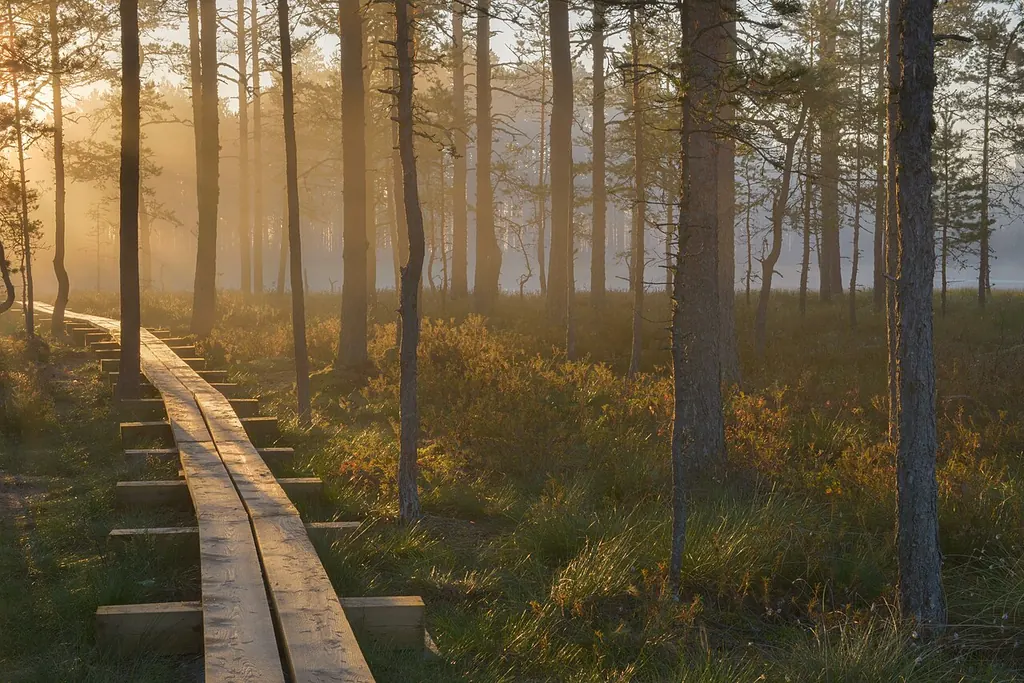
Put the few reusable materials in an accessible place and record any practical lesson, such as needing a shorter route or checking the correct entrance. Keep family photographs private unless everyone concerned is comfortable with sharing them. The illustrative photograph accompanying this article is not a recommendation of a specific Estonian route.
Leave some of the weekend unscheduled. A successful shared activity does not create an obligation to organise every remaining hour. When the household has one enjoyable experience and a manageable ending, the plan has done its job. The next outing can begin with what you learned about your own family’s preferences.