Growing lavender: choose the right position
Position matters enormously for lavender. Different species and varieties do not all tolerate the same winter conditions.
Lavender is easier to grow when the site is chosen before the plant. A sunny-looking photograph does not tell you how a bed drains after rain, how much light reaches it in summer or whether the selected lavender can cope with the intended winter arrangement. Start with those conditions and choose a clearly labelled plant to match them.
For an Estonian garden, the name and cultivar matter more than the general word “lavender”. Decide whether you want a permanent outdoor planting or a container with a planned seasonal routine. That choice affects where the plant stands, how you care for it and what you need to prepare before winter.
Read the botanical name, not only the display label
Keep the full name and cultivar from the nursery label. Ask about the plant’s expected size and suitability for your actual site. A label describing fragrance or flower colour may tell you very little about the conditions needed for a long-term planting.
NC State’s profile of Lavandula stoechas describes its distinctive flowerhead bracts and greater tenderness compared with common lavender. A plant with conspicuous “ears” above the flowers should therefore not be assumed to have the same winter performance as another lavender sold beside it.
When comparing candidates, write down the proposed use: border edge, a small group or a movable container. Check the cultivar information against that use. If winter suitability remains uncertain, resolve it with a knowledgeable local supplier before planting a long row; replacing an entire unsuitable scheme is more work than testing a small appropriate planting.
Observe the light where the plant will actually stand
Look at the intended position at several useful times of day. Note shade from buildings, fences and neighbouring plants, including the space the latter will occupy as they grow. A bright patio and the soil immediately behind a tall planter can have different light conditions even when they are close together.
Lavender generally needs sun and freely draining conditions; the RHS growing guide distinguishes hardier English lavender, Lavandula angustifolia, from tender types. Use those principles to narrow the choice, then check the selected cultivar and local suitability rather than treating a general description as a guarantee.
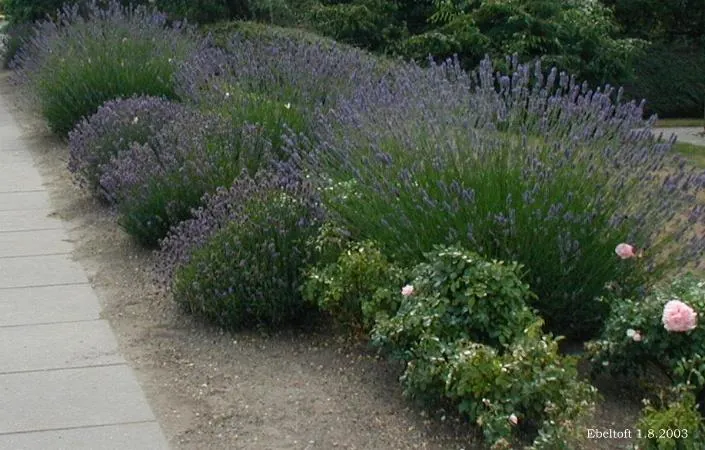
Take a photograph of the chosen area and sketch the mature outline of the planting. Include a route for walking and reaching the plant. Lavender along a path should have space to grow without forcing people into the bed or making the plant a repeated obstacle to ordinary garden use.
Check water movement before changing the soil
Observe what happens after rain. Does water collect, run towards the site or disappear into a lower area? Note whether the spot is beneath an overhang or beside a surface that directs runoff. A single dry afternoon is not enough to understand the soil’s behaviour through the season.
The NC State overview of lavender highlights the importance of drainage and the problems associated with overly wet soil. If the proposed location repeatedly stays wet, reconsider the site or obtain advice on a suitable growing setup instead of assuming a small addition to the planting hole will solve the whole area’s drainage.
Avoid automatically adding every material left over from another bed. First identify the soil and the purpose of any amendment. Advice for a moisture-loving planting may be inappropriate here. The perennial border guide helps group plants by compatible conditions rather than flower colour alone.
Decide between a border and a container
For a border, map the future footprint using the selected cultivar’s information. Leave room for adjacent plants, access and maintenance. Do not fill every visible gap around a young specimen simply because it looks small on planting day; your plan should describe the intended arrangement after establishment.
For a container, choose one with an appropriate drainage arrangement and enough practical stability for the location. Check how you will lift or move it if the seasonal plan requires that. A decorative pot that becomes unmanageable when filled can undermine an otherwise sensible winter plan.
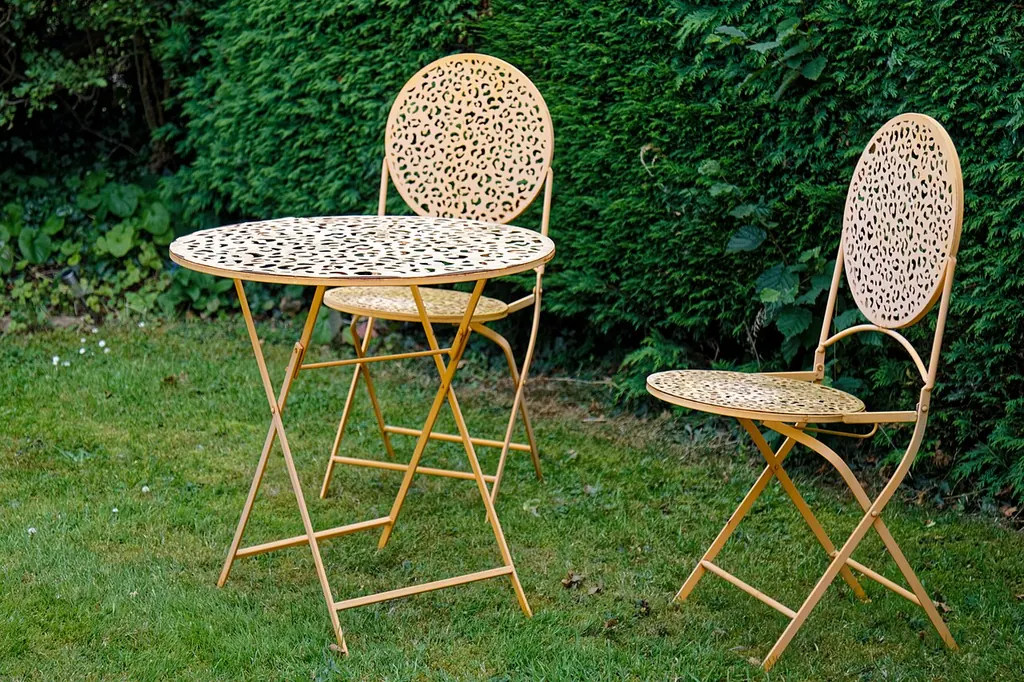
Consider the surface underneath and where drained water goes. Keep the container from obstructing a doorway or creating a nuisance in shared outdoor space. If it is part of a sitting area, include it in the garden furniture layout so chairs, walking routes and plant care all remain workable.
Prepare planting as a complete small job
Before buying or unpacking the plant, have the intended location, suitable growing medium where needed and watering access ready. Use planting instructions for the chosen plant and container or site. Do not improvise a different depth or surround the stem with material purely to make the surface look tidy.
Record the planting date and preserve the nursery information. Photograph the whole plant once it is in place. This gives you a useful reference for later changes and makes it easier to explain the history if you ask for advice during the first season.
If you are planting several specimens, keep their labels associated with their positions. A row can contain more than one cultivar even when the nursery pots looked similar. Clear identification is especially useful when one plant behaves differently and you need to compare the actual choices rather than assume they were identical.
Water by establishment and conditions
The RHS watering guidance recommends responding to weather, soil and establishment rather than following an inflexible weekly schedule. Newly planted shrubs and containers need attention appropriate to their situation. Check the growing medium and water where the roots are, instead of judging only from the appearance of the upper leaves.
Make the checking routine easy to perform. Keep a small note of recent watering and significant rain during establishment, particularly if several people share garden care. Two people independently adding water because each assumes the other forgot can make the record and the plant’s condition difficult to interpret.
Treat a container and an established border plant as different situations. Do not transfer a watering quantity between them simply because both contain lavender. If the plant looks poor while the medium is already wet, pause and investigate rather than making extra water the automatic response to every change.
Prune with the plant’s structure in view
Inspect the leafy growth and the older woody framework before cutting. The RHS lavender guide advises regular trimming while avoiding cuts into old woody stems, which do not readily produce replacement growth. Use the appropriate timing for the plant and local conditions rather than copying a distant calendar date.
Choose a modest, clearly defined purpose for the session, such as following the cultivar’s routine shaping instructions. Use clean, suitable tools and stop to view the overall plant as you work. Do not continue removing material simply to make an ageing specimen look like a newly purchased compact plant.
For an old, uneven shrub, compare the realistic options before taking drastic action. Seek plant-specific advice if the structure is unclear. A planned replacement or a revised position may make more sense than assuming a severe cut will restore a form that the existing plant cannot readily produce.
Make the winter decision before cold weather arrives
Hardiness information is a guide, not an unconditional survival promise. The RHS explanation of its ratings notes that factors beyond the minimum temperature affect performance and that containers can increase vulnerability. Do not transfer a broad UK description directly to every location in Estonia.
Ask a local knowledgeable supplier about the identified cultivar, your exposure and whether it will grow in the ground or a pot. If a container needs a different winter location, identify that place and the route beforehand. A vague intention to “bring it somewhere sheltered” is not a complete arrangement.
Add the decision to your autumn garden plan. Check that the chosen location remains accessible and that you can inspect the plant when necessary. Avoid last-minute changes that place it in an unsuitable environment simply because the original plan did not name a real space.
Learn from a small planting before expanding it
At the end of the season, review the cultivar, site, watering observations and the work performed. Compare photographs taken from the same position. Note whether the arrangement remained convenient for walking, sitting and caring for neighbouring plants, as well as how the lavender itself developed.
If something did not work, choose the most likely question to investigate rather than changing everything at once. A drainage concern, inadequate space and an uncertain winter choice call for different next steps. Take the record to a suitable adviser if the cause is not clear.
Expand the planting only after you understand the conditions you can provide. A small, well-placed group can be more successful and easier to enjoy than a long decorative row that depends on repeated corrective work. The useful goal is a plant and a routine that fit your actual garden.