Hydrangea care: identify the plant before pruning
The right pruning approach depends on the hydrangea species. Identifying the plant comes before picking up the secateurs.
The most useful first step in hydrangea care is identifying the plant. Advice that works for one species can remove the next display from another, so a general instruction to cut every hydrangea to the same height is a poor starting point. Find the botanical name and, if possible, the cultivar before making a pruning plan.
For a garden in Estonia, also distinguish the plant’s needs from a calendar written for another climate. Use the guidance for the identified plant, its condition and local growing conditions together. This article provides a way to make those decisions without turning an unknown shrub into an experiment with drastic cuts.
Recover the name before reaching for the secateurs
Look for the original label, receipt or planting record. Write the full name in a garden notebook and photograph the label so it remains available if the print fades. When there are several shrubs, mark which record belongs to which plant; “the white hydrangea” becomes ambiguous when more than one flowers white.
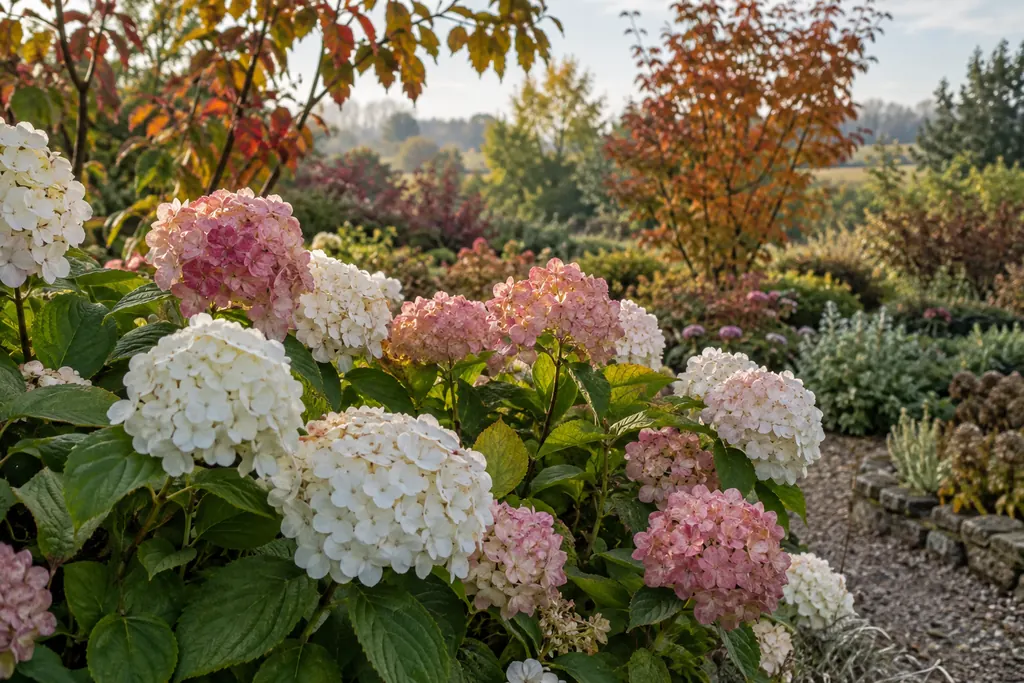
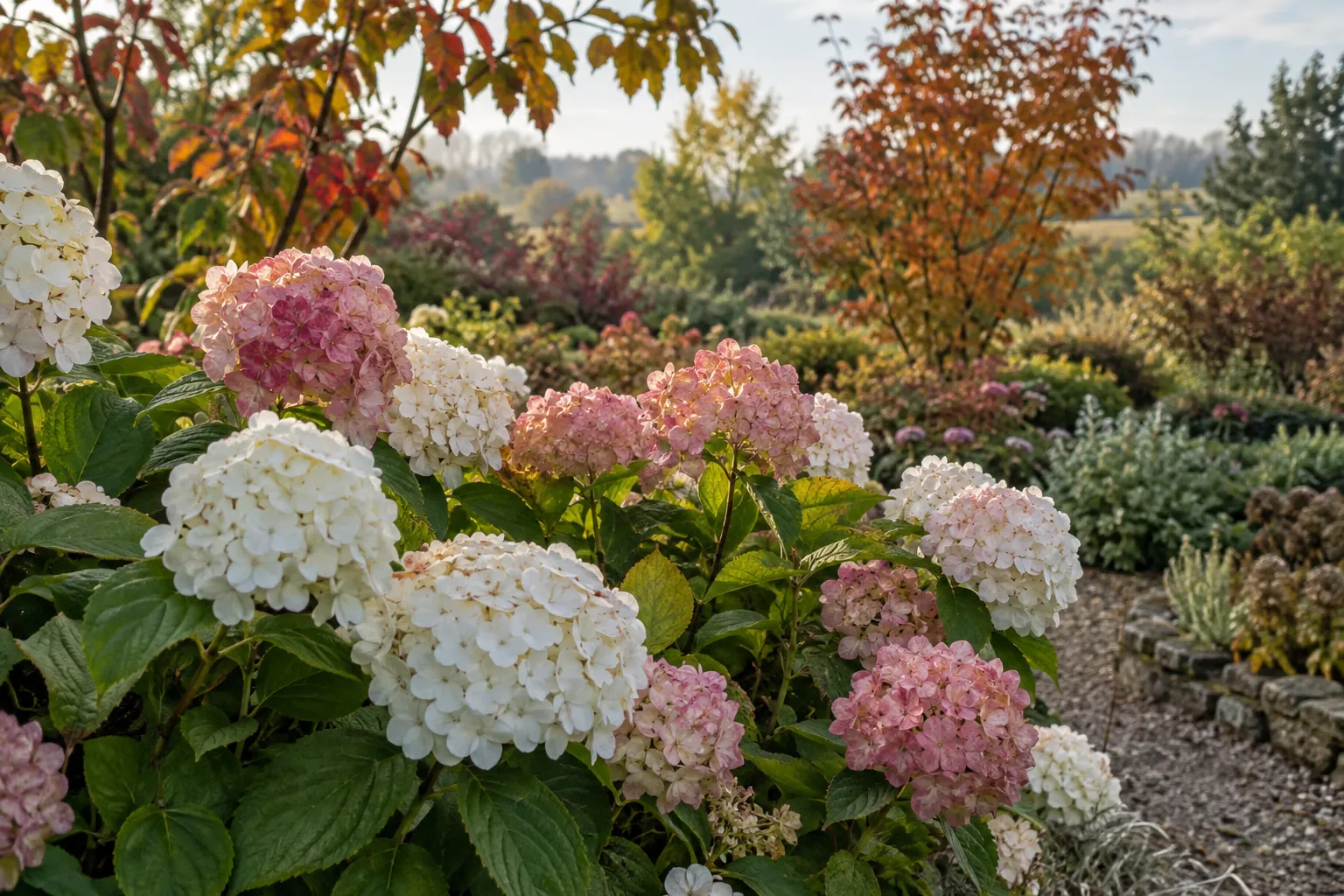
Flower shape alone is not a complete identification. The NC State description of Hydrangea macrophylla includes both rounded mophead and flatter lacecap forms. Some cultivars also flower again on new growth. A general colour or shape therefore does not establish the precise cultivar or its full pruning requirements.
If the name is unknown, take clear photographs of the whole shrub, leaves, stems and flowers when available. Ask a knowledgeable nursery or horticultural adviser to help identify it. Keep heavy reshaping off the immediate task list until that uncertainty is resolved; there is no need to make an irreversible cut merely because other garden jobs are being done.
Understand what old and new growth mean
“Old wood” refers to stems formed in an earlier growing season; “new wood” is growth produced in the current season. The University of Minnesota’s pruning guide distinguishes these flowering patterns and notes reblooming exceptions. That distinction explains why the same cut can have different consequences for different hydrangeas.
Translate this into a simple question for your own plant: which stems need to remain for the flowering pattern of this identified cultivar? Put the answer beside its name rather than trying to remember a rule for the whole genus. If a guide discusses an exception, check whether your label actually names that group.
For example, finding an online photograph of a strongly cut shrub does not establish that your plant should receive the same treatment. The picture may show a different species, an established specimen or a particular training goal. Copy the relevant reasoning, not the visual result without its context.
Separate tidying from reshaping
Removing a spent flowerhead, shortening a live stem and renovating a whole shrub are different jobs. Decide which problem you are trying to solve before starting. A faded flower does not automatically mean the entire branch should disappear, and an uneven outline does not by itself justify cutting every stem to one line.
The RHS pruning guide describes retaining mophead flowerheads through winter and later removing them above suitable healthy buds. Climbing hydrangeas follow a different approach, with necessary trimming after flowering. These distinctions are a reason to use the section for your plant rather than a universal seasonal haircut.
Before any planned reshaping, photograph the whole plant and mark the intended changes on the image. You can then discuss the plan or revise it without cutting first. Keep the purpose specific: clear a route, address a confirmed damaged part or follow the identified shrub’s appropriate maintenance method.
Give panicle hydrangeas their own plan
NC State’s Hydrangea paniculata profile describes flowering on the current season’s growth and pruning in late winter or spring. It also notes greater sun tolerance than many other hydrangeas. These characteristics should not be transferred automatically to a neighbouring bigleaf hydrangea simply because both are sold under the same common name.
For an identified panicle cultivar, decide the desired position and outline using its expected mature size and the supplier’s cultivar guidance. Avoid choosing a cutting height solely from a dramatic before-and-after image. The available space, established framework and purpose of the planting need to make sense together.
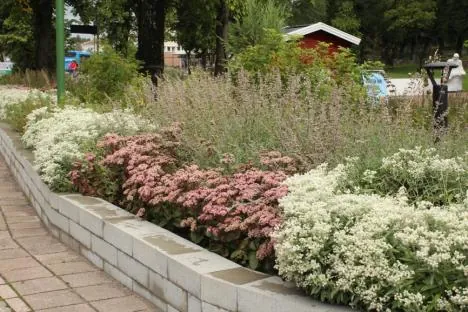
If the plant repeatedly blocks a path, review the planting design as well as the pruning routine. Constantly forcing a large shrub into an undersized gap can create recurring work. The perennial border planning guide helps map the relationship between neighbouring plants, access and the space reserved for mature growth.
Assess the growing position before adding products
The RHS growing guide emphasises moisture-retentive but well-drained soil, appropriate light and watering during establishment or dry conditions. It also cautions that excessive feeding can encourage leafy growth at the expense of flowers. These basics are a better starting point than buying several treatments in response to a disappointing week.
Observe your own location. Note when direct sun reaches the shrub, where rainwater goes and whether nearby structures shelter the soil from rainfall. A plant beside a wall can experience different conditions from another a few metres away. Record the actual planting position rather than treating the whole garden as one uniform environment.
Check the soil condition near the root area before deciding what to change. If you cannot interpret what you find, bring a clear description to a local adviser. “Leaves looked different on Tuesday” is less useful than an account of recent weather, watering, planting time and the position of the affected growth.
Make watering a response to conditions
Create a routine for checking the plant rather than a fixed promise to pour the same amount on the same weekday. Keep the watering point accessible and make sure another person can identify the plant if they care for the garden while you are away. A labelled plan is more useful than a vague instruction to water everything generously.
For a container, check how water can leave and whether the decorative outer pot allows you to inspect what is happening. Follow the container and planting-medium guidance appropriate to the setup. Do not assume that a brief shower reached the root area just because the leaves look wet.
Record an intervention and its date, then observe the plant before adding another unrelated change. If you alter watering, feeding, position and pruning at once, it becomes difficult to understand which condition mattered. This is a practical way to learn from one plant instead of repeating a different online remedy every few days.
Keep colour expectations separate from basic care
Start with the cultivar’s own description when choosing a flower colour. Do not assume that every white hydrangea can be made blue or that a photograph represents a permanent colour throughout the display. Check the identified plant’s requirements before considering any product intended to change soil conditions.
If you want to explore soil-related colour changes, obtain appropriate soil information and plant-specific advice first. Record the product, purpose and instructions rather than combining improvised household additions. A colour experiment should not replace understanding the soil or the plant’s ordinary care needs.
For a new planting, it may be simpler to select a cultivar whose expected appearance fits your garden than to plan repeated correction of an unsuitable choice. Compare mature specimens or reliable cultivar descriptions where possible, while remembering that photographs vary with light and the stage of flowering.
Plan the season with observations you can reuse
Keep a brief record of bud development, flowering and any work you perform. Photographs from the same viewpoint make changes easier to compare. You do not need a daily diary; a few well-labelled observations at meaningful stages are more useful than dozens of unexplained close-ups.
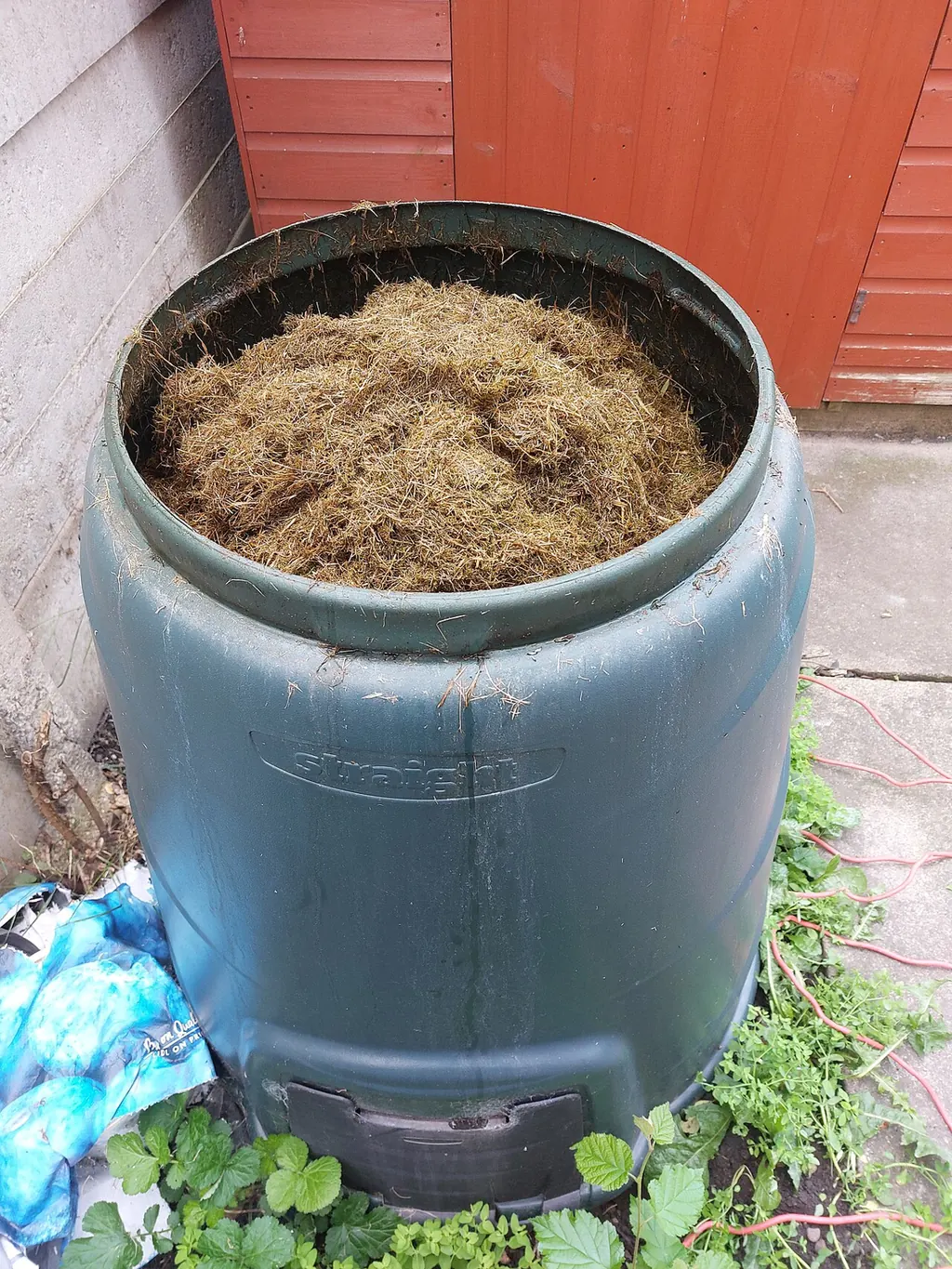
Link the shrub’s tasks to the broader autumn garden plan, but keep species-specific pruning decisions separate from general tidying. If you use garden compost elsewhere, the composter guide explains organising that process; it does not mean every available material should be applied automatically to this plant.
When flowering is disappointing, review the name, previous cuts, weather observations and growing position before deciding on an action. Take that record to a knowledgeable local source if the cause remains unclear. Good hydrangea care becomes more precise when each intervention answers an identified question and the next season can be compared with the last.