Kiviõli Adventure Centre: plan a family visit
A Kiviõli visit depends on the season and the activities you choose. First establish what is operating on your intended date.
Start a Kiviõli Adventure Centre visit by checking the season, then choose activities that fit the people travelling. On 19 September 2026, the centre’s homepage stated that the summer park was closed until the next season. This dated check is important: a summer attraction page remaining online does not mean you can use that attraction today.
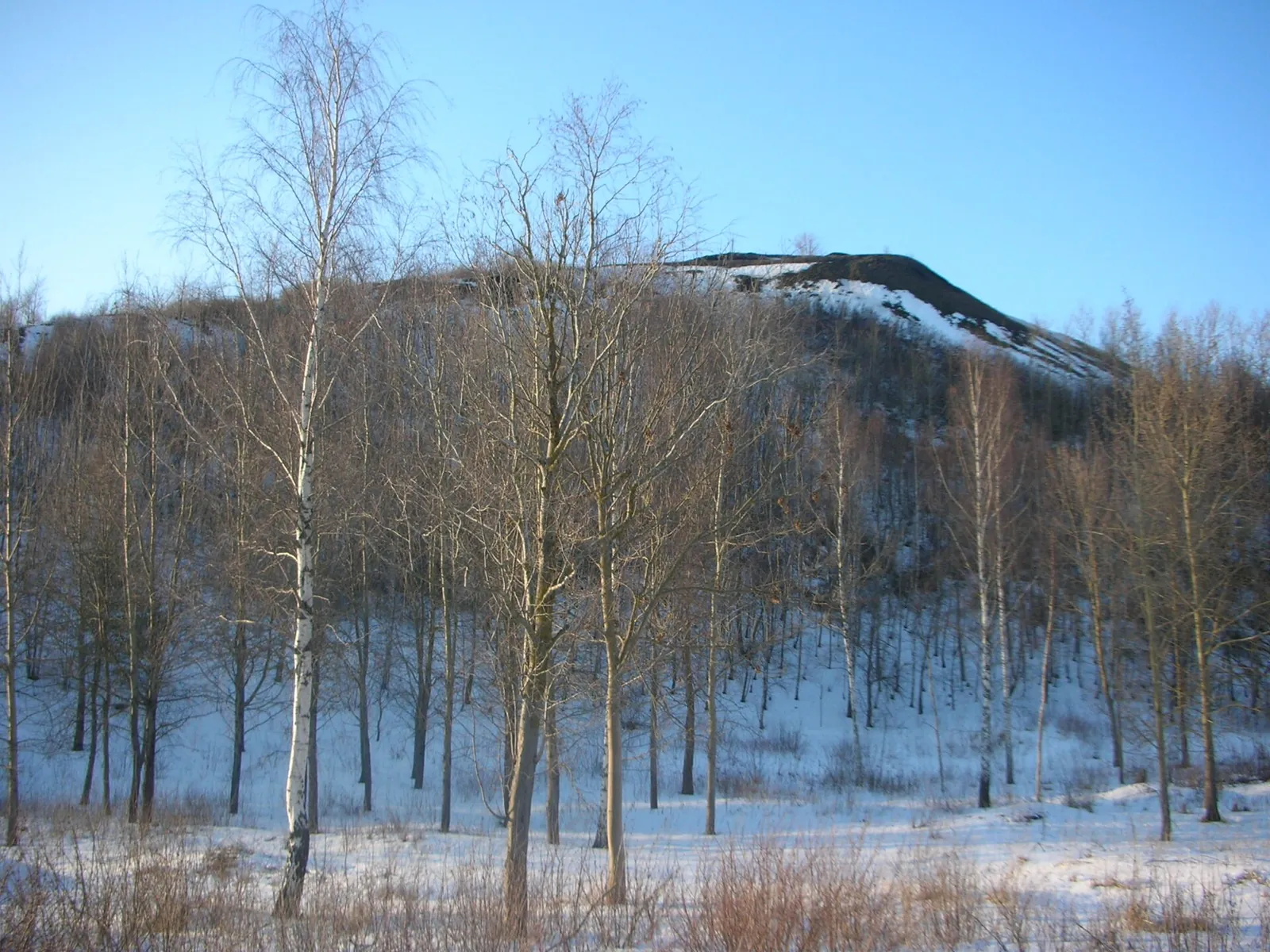
Visit Estonia locates the centre on the former industrial hill north of Kiviõli’s centre, at Mäepealse tee 1 in Ida-Viru County. Its seasonal activities include winter skiing and snowboarding alongside a different summer programme. Confirm the operation you want directly before arranging a family day around it.
Separate a seasonal description from a confirmed visit
A general page explains what the centre offers over time. A current operating notice tells you whether a particular visit is possible now. Read both, then ask about your date if the answer is unclear. Do not use an old timetable or a third-party photograph as a substitute for confirmation.
Write down the activity that makes the journey worthwhile. If that activity is unavailable, decide whether you still want to travel for something else. This prevents a family arriving with very different expectations, especially when children have spent the journey imagining a specific ride.
Keep the booking confirmation, meeting instructions and contact details together. A payment receipt alone may not explain where to go, when to arrive or which service was purchased. Save the relevant information offline so the first part of the day is not spent searching an email account with an unreliable connection.
Match attractions to the actual participants
The summer-attractions page includes tubing, a traffic town and mini-excavator activities. It also publishes separate participation limits. For example, its mountain-car requirement is at least 160 centimetres in height and 14 years of age. Recheck the current rule before booking; both conditions matter.
Measure and discuss requirements at home where practical. A teenager being old enough does not automatically satisfy a height requirement. Equally, being tall enough does not remove an age condition. Staff instructions and the current attraction rules remain decisive at the point of use.
Create a short family list showing each person’s preferred activity, whether the stated conditions are met and who accompanies them if required. Do not buy the broadest ticket simply because its name sounds comprehensive. The useful purchase is the one that covers activities the person can and wants to use.
Plan for different interests without splitting responsibility
A family may include one child who wants repeated familiar activities, another who wants a larger challenge and an adult who prefers to watch. Agree where the group can divide and when it comes back together. Keep the arrangement simple enough that everyone can remember it without continually checking a phone.
The summer visitor rules place children under an adult’s responsibility and require compliance with each attraction’s instructions. They also state that poor weather can close attractions temporarily. Buying admission does not transfer parental supervision to the general presence of park staff.
Choose a recognisable meeting point and a clear adult handover. If one adult joins an activity, someone else must knowingly take responsibility for a waiting child. Avoid “I thought you were watching” arrangements. The same principle applies when moving between areas, collecting equipment or stopping for food.
Compare the contents of tickets, not only the names
Read the current ticket description line by line. Distinguish entry, access to a group of attractions, separately counted rides and equipment rental. The centre’s summer page describes different inclusions and exclusions; a broad ticket label should not be interpreted as unlimited use of every service.
Make a personal comparison using only the activities your group expects to use. Include accompanying adults where a ticket is needed, then check whether any part needs separate booking. This is more useful than comparing headline prices for products that do not provide the same experience.
Keep cancellation and weather arrangements visible before paying. The operator’s stated terms and applicable consumer rights are separate questions; this guide does not determine a particular refund entitlement. If the conditions affect your decision, request clarification from the seller rather than relying on a casual assumption that all unused activities will be refunded.
Treat the bike park as its own activity
The official bike-park page requires a full-face helmet and distinguishes routes by difficulty, with green routes for starting out and red routes for experienced riders. A normal city ride and a downhill-park session should not be treated as interchangeable experiences.
Ask about suitable equipment, instruction and current route availability before making the bike park the main family activity. Describe the rider’s actual experience instead of saying only that they “can ride a bicycle”. Confidence on a flat cycle path does not by itself answer questions about descending, braking or technical features.
If you bring your own equipment, ensure it is appropriate and in serviceable condition. Follow the operator’s instructions and do not let group pressure decide the route. A person who chooses an easier permitted option is making a useful decision about the day, not failing to make full use of a ticket.
Book winter instruction separately from general admission
For a winter visit, check operating conditions, equipment arrangements and instruction independently. Snow-related activities depend on more than the month on a calendar. A previous winter’s opening date cannot confirm the coming season’s first suitable day.
The centre’s winter school-package information explicitly distinguishes a request for instruction from a confirmed lesson. Although that page concerns school groups, the practical question is useful for any family: has your own lesson actually been accepted, at what time and for whom?
Give the provider accurate information about experience and the number of people needing help. Confirm the equipment fitting process and arrival time. Leave room before and after the lesson instead of scheduling transport to the exact minute of its advertised duration. Learning and collecting equipment are different parts of the visit.
Pack for movement, waiting and the journey home
Use the clothing and equipment guidance for the activity you have selected. Keep secure footwear, weather protection and any required protective equipment separate from assumptions about what might be available to borrow. Check rental inclusions before deciding which items to leave at home.
Allow for time spent waiting as well as moving. A person standing with a child or watching another family member may need a different layer from someone actively participating. Keep drinking water and necessary personal items accessible, and plan where wet or dirty clothing will go after the activity.
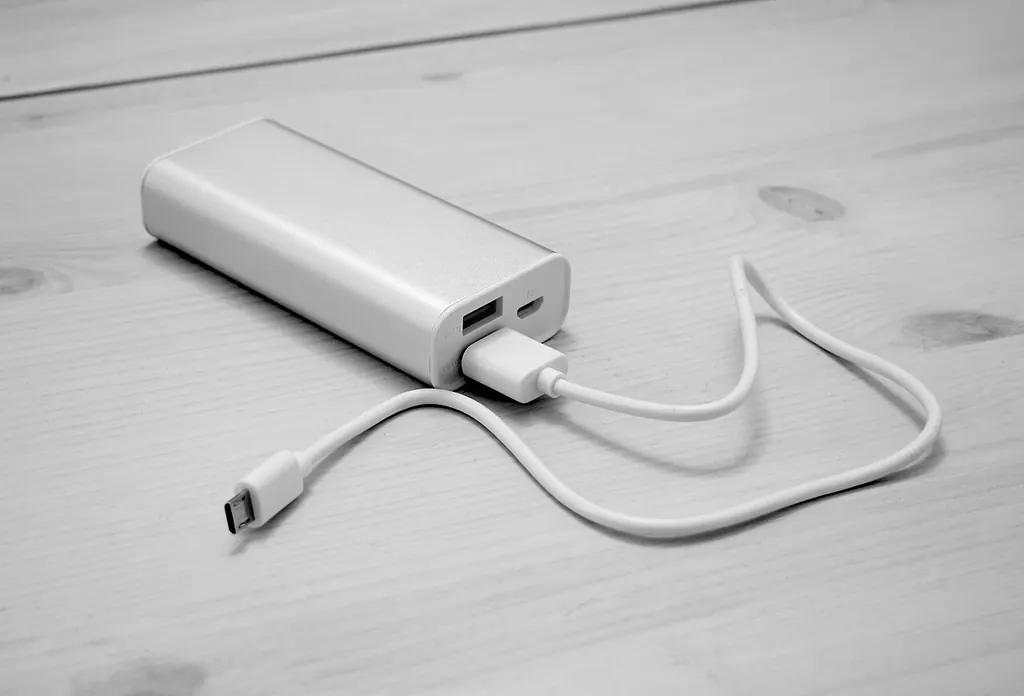
Choose a small, manageable bag and follow the storage instructions for each attraction. Loose belongings should not become an improvised problem just before a ride. If your phone holds tickets and return directions, the power-bank guide can help with a compatible backup, but check any rules about carrying devices during activities.
Make food and rest part of the timetable
Decide when the group is likely to need a break instead of waiting for everyone to become tired at once. Confirm food service on your date and any relevant dietary arrangements. If bringing food, check where it may be stored and eaten. Do not assume every facility follows the same hours as every attraction.
A useful pattern is arrival and orientation, one main activity, a break and an optional second part. Put your actual booking times into that pattern. It is a family planning method, not a promise about queues, ride durations or the centre’s operating timetable.
Use the family weekend guide to decide which parts can be dropped. If the first activity takes longer than expected, remove an optional extra rather than eliminating food, rest or the time needed to return safely. A successful day does not require using every available attraction.
Confirm access, pets and the final approach
Ask precise access questions for the people travelling: the route from parking, surfaces, toilets, resting places and access to the chosen activity. Entry to the grounds is not the same as participation in every attraction. Explain any equipment or assistance you use so the answer addresses the actual visit.
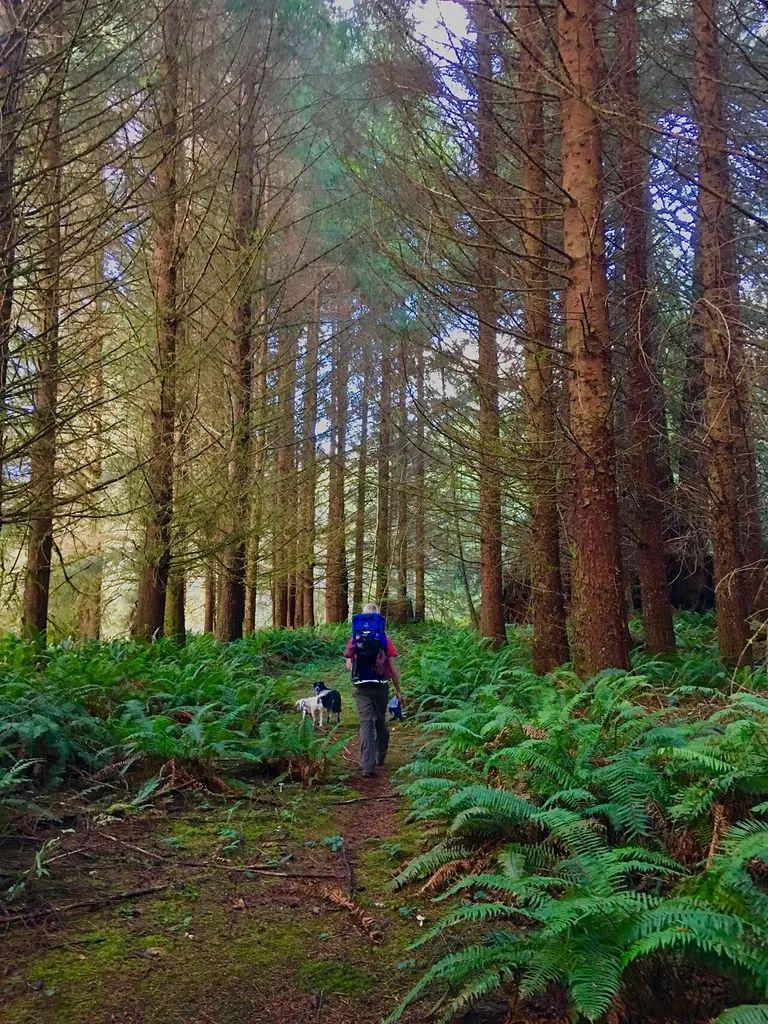
If bringing a pet, check the current arrangements and who remains with it while others participate. The summer rules require pets to be on a lead. Do not assume that permission to enter supplies supervision, a quiet waiting space or an appropriate full day for your animal.
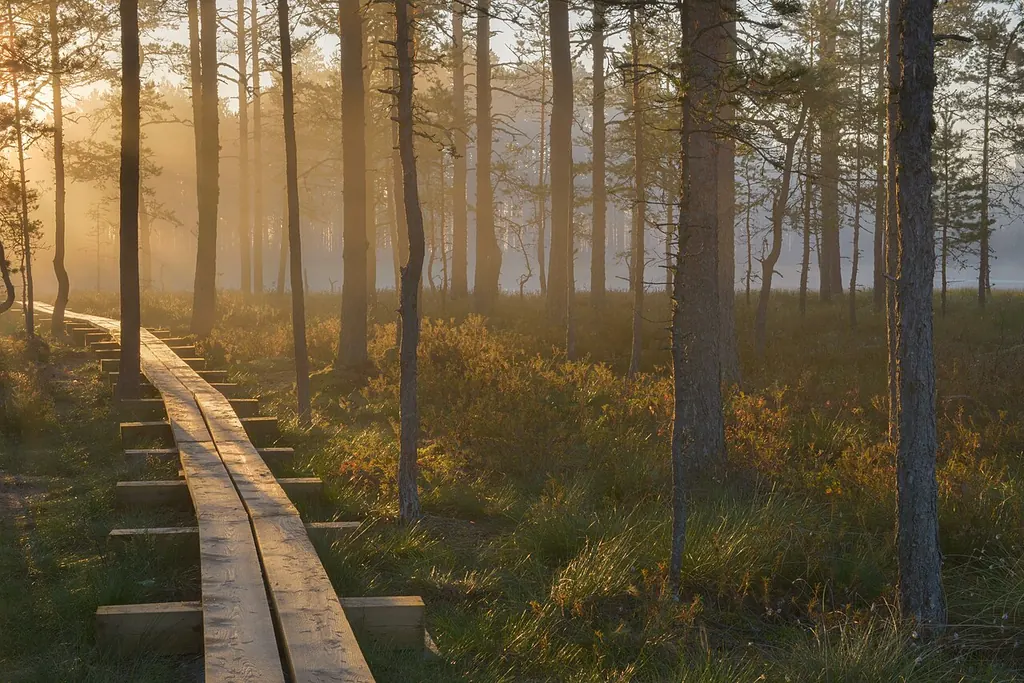
Check the last part of the journey to Mäepealse tee 1 and the return transport. Finish with enough time to return rental items, collect belongings and change if necessary. If you add a separate outdoor walk, prepare it using the day-walk guide and its own access checks. Kiviõli is easiest to enjoy when the season, participation requirements and family responsibilities are clear before arrival.