Piusa Caves: a visitor planning guide
Begin with the visitor centre's information. The underground passages should not be treated as an unrestricted walking network.
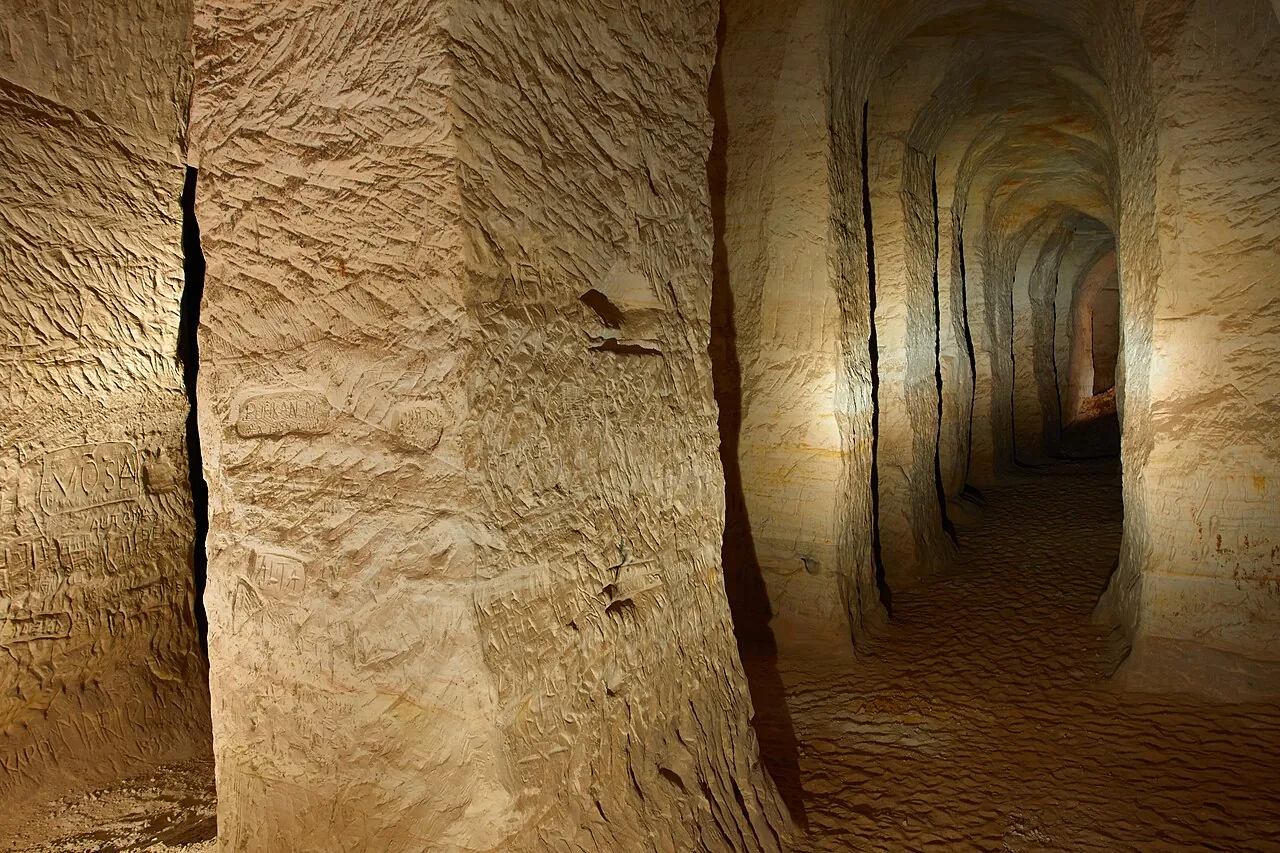
Piusa is best approached as a visitor-centre experience with an optional outdoor walk. It is not an invitation to explore underground passages independently. That distinction matters when choosing a time, explaining the trip to children and deciding whether the visit fits someone’s access needs.
Visit Estonia describes Piusa as former glass-sand workings in sandstone, now interpreted through a visitor centre in Võru County. Bats use the caves for wintering; a summer visit should not be planned around an expectation of seeing them. The interest lies in understanding the place, its human history and its present conservation role.
What the guided visit actually involves
The centre’s visitor information describes exhibitions about the caves, glass production and bats, alongside a film and the museum-cave viewing platform. This is a useful mix for visitors who want context before looking at the physical site. It also gives you several subjects to discuss without making the whole day depend on one photograph.
The official FAQ states that the viewing platform is accessed with a guide and independent entry into the caves is prohibited because of collapse risk. Its last guided tour starts 45 minutes before closing, while ticket sales finish 30 minutes before closing. Check those arrangements again for your date.
Do not interpret a ticket-sales deadline as the latest sensible arrival for the complete experience. You still need time to find the centre, use the toilet if required and understand the next available visit. If you are travelling a long distance, ask which arrival time gives your group a realistic opportunity to participate.
Confirm the date, language and group arrangements
The centre’s own homepage publishes seasonal opening information and contact details. Check the date range attached to the hours, not simply the first clock time you see. Arrangements outside ordinary opening hours require agreement; arriving at a closed building does not create an informal self-guided alternative.
Ask which language is available for the visit and any film or interpretation that matters to your group. An English-language website does not by itself guarantee a guide in English at every possible arrival time. For a multilingual family, decide whether everyone needs full interpretation or whether an adult can help explain selected material afterwards.
If travelling with a school, club or several families, give the organiser useful information: number of people, children’s ages, preferred date, language and any access questions. Request a clear confirmation of the programme and meeting time. Keep the contact person’s details available to the adult actually travelling with the group.
Plan the arrival separately from the visit
Use the centre’s stated address and map when planning transport. “Piusa” may refer to the wider area, and a journey to a nearby stop is not the same as arriving at the visitor-centre entrance. Check the final walking or driving section and the return arrangements before committing to a timetable.
If using public transport, compare services for the exact travel day and include the time needed between the stop and the centre. Do not assume that an arrival suitable for a general walk will also fit the final guided tour. The return departure should leave room for the programme to finish without rushing the group out halfway through.
For drivers, allow time for an ordinary stop before arrival when needed. A hungry or uncomfortable group is unlikely to enjoy a programme that begins immediately after a long journey. Keep the last part of the day flexible rather than adding several distant attractions simply because they appear in the same regional search results.
Explain the boundaries before entering
Tell children in plain language that the group visits only the part shown by the guide. Avoid presenting the excursion as a search for secret tunnels. That expectation can turn sensible boundaries into a disappointment, whereas understanding that the place needs protection makes the limits part of the story.
Agree that everyone follows the guide’s instructions and stays with the group. Ask before touching a surface, using a flash or moving into a position for photographs. A historical or geological feature is not a climbing frame, and a barrier is not a suggestion to find a more adventurous route around it.
Give a child one observation task, such as noticing the difference between the material shown in the exhibition and a finished glass object. Keep the question open enough that the answer can come from the visit. Avoid inventing facts in advance that a guide then has to correct while the group is moving.
Ask precise questions about accessibility
If someone uses a wheelchair, walking aid or pushchair, ask about the actual route through the chosen programme. Useful questions concern surfaces, gradients, doorways, resting places and access to the viewing platform. “Is it accessible?” may produce an answer that does not address the person’s particular needs.
Describe the equipment you use and whether assistance is available within your group. Confirm which parts can be visited and whether there is a suitable alternative if one section is not possible. Do not assume that accessibility of the main building proves accessibility of every outdoor or cave-related part.
Consider sensory preferences as well. Ask about the film, lighting and the possibility of stepping out with a child who needs a quieter moment. Those are ordinary planning questions. Knowing the answer before travel makes it easier to choose a manageable programme without interrupting the visit to solve preventable problems.
Add the surface trail only if it fits the day
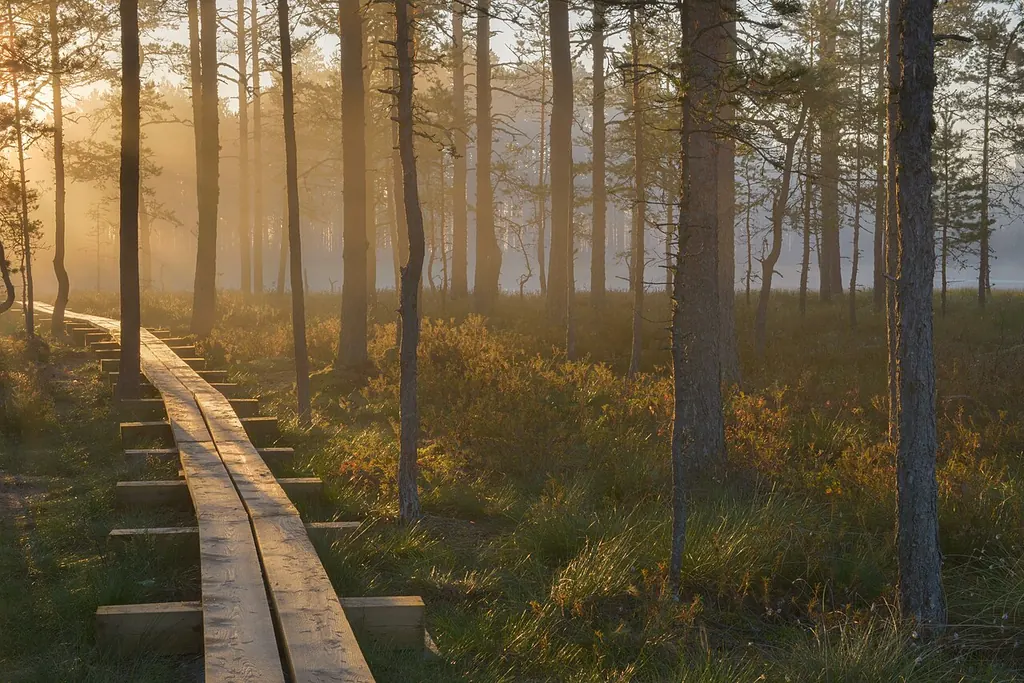
The centre’s FAQ lists a nearby free walking trail of roughly 1.5 kilometres. Treat it as a separate outdoor element, with its own weather, footwear and time considerations. A short distance does not tell you how long your particular group will spend reading signs, observing the surroundings or taking breaks.
Before setting out, confirm the current route on site and check whether any section is closed. Keep to the marked visitor route and return as planned. The existence of an outdoor trail does not change the restrictions on underground entry or make every visible opening part of the walk.
Use the Estonia day-walk checklist to make the return time explicit. If the guided visit finishes later than expected, shorten or omit the outdoor part. Trying to recover lost time by hurrying children along a nature trail usually removes the reason for adding it.
Make the interpretation useful rather than overwhelming
Choose two or three questions you genuinely want answered. How did people use the material extracted here? Why does the site need a managed visitor arrangement? What can a visitor learn about bats without approaching a wintering animal? Listen for the answers and ask the guide where an explanation is unclear.
For children, connect one new fact to something familiar. A glass bottle, a window or a small object at home can become a starting point for talking about materials. Keep the distinction between an observation and an explanation clear: “we saw this shape” and “the guide explained its purpose” are different kinds of information.
After the visit, a short note or drawing can be more effective than asking someone to remember every display. Let each person choose one detail they found interesting. You can use it later for a family conversation, a school task or simply a more informative caption beside your travel photographs.
Clothing, food and a comfortable pace
Dress for the actual outdoor conditions and use footwear suitable for the route you intend to walk. Ask the centre about any additional clothing advice for the guided part. A promotional photograph taken in another season is not a reliable packing guide for your travel day.
Plan when the group will eat. If you intend to use the café, confirm its service on the relevant date rather than assuming every facility follows identical hours. Bring drinking water and any necessary personal supplies, and ask where food may be consumed. Keep eating and rubbish away from areas where they are not permitted.
With children, allow time for an ordinary pause between the programme and another activity. The family weekend planning guide helps you choose one main event and keep the rest manageable. An educational outing does not become more valuable merely because every available minute contains another task.
A practical order for the day
A workable sequence is travel, arrival and orientation, the confirmed guided programme, a break, and an optional surface walk before returning. This is a planning framework rather than the centre’s timetable. Put the actual booking time and transport departures into it, then decide how much optional time remains.
Keep a wet-weather or low-energy version of the plan. That might mean completing the confirmed visitor-centre programme and leaving the outdoor trail for another trip. If the centre itself is unavailable on your chosen date, rearrange the visit instead of treating the cave entrances as an alternative attraction to inspect independently.
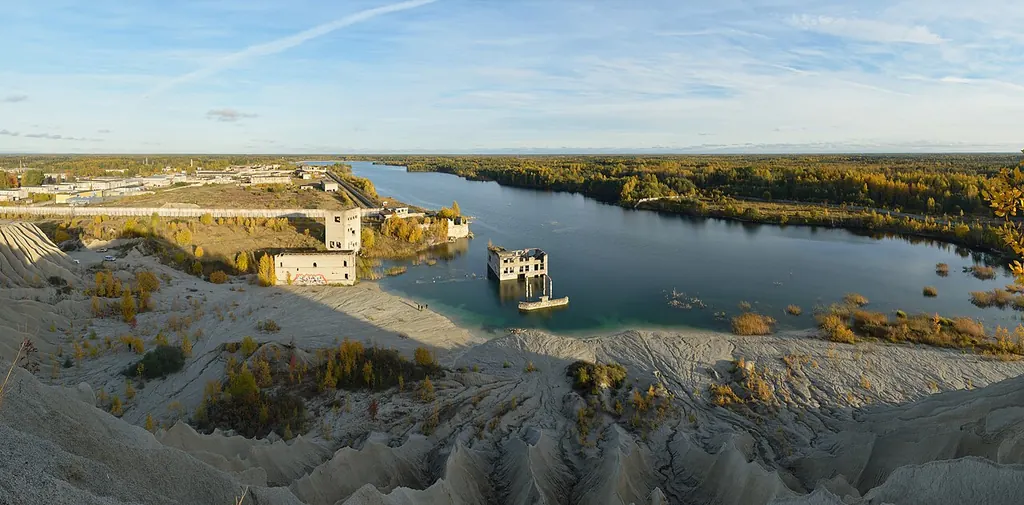
Piusa and Rummu Quarry both invite questions about landscapes changed by industry, but they are separate destinations with different visitor arrangements. Compare them by the experience you want, not as interchangeable cave or quarry stops. A well-planned Piusa visit leaves time to understand what you are seeing while respecting the boundaries that make visiting possible.