Rummu Quarry: planning a day trip
Rummu combines an unusual landscape with traces of industrial history. Plan your visit using the operator's current visitor information.
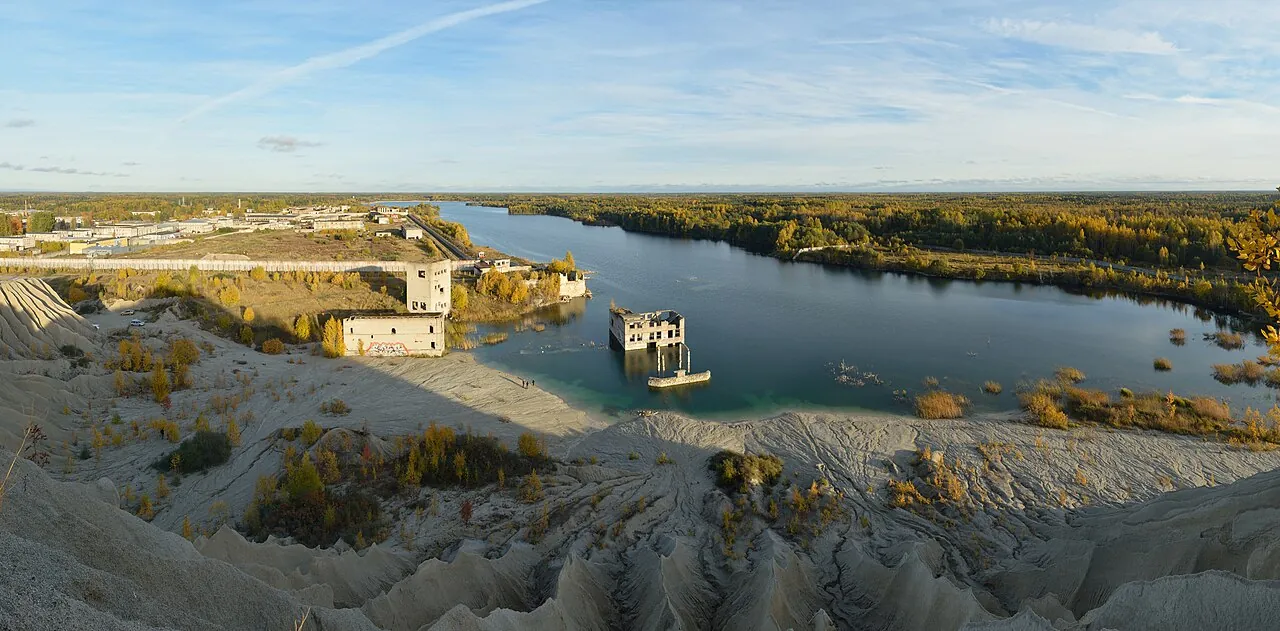
Rummu is a place to plan around a specific visit, not simply a blue patch on a map. Decide whether your main interest is the quarry landscape, the history of the former prison or an organised water activity. Those choices affect the entrance you need, the booking questions you ask and the equipment you bring. A photograph of clear water does not explain any of those arrangements.
The useful starting point is Visit Estonia’s Rummu listing: the site combines a former limestone quarry and prison, with structures left beneath the water after mining ended. Its listed address is Haapsalu mnt 13, Rummu, in Lääne-Harju municipality. Use that as an orientation point, then confirm the entrance for your chosen visit directly with the operator.
Choose the experience before choosing a ticket
Write one sentence describing what you want to do: “See the landscape and take photographs from permitted visitor areas”, “Understand the former prison with a guided visit”, or “Join a booked activity on the water”. This helps separate an ordinary admission decision from an activity reservation. Do not assume that buying one product includes every part of the site.
Check the descriptions on the official Rummu website for your intended date. Compare the exact area included, arrival instructions, any timed start and what happens in unsuitable weather. If an activity is the main reason for travelling, obtain confirmation before arranging the rest of the day around it.
For a mixed group, discuss whether everyone actually wants the same experience. One person may want to photograph the landscape while another expects a physically demanding activity. Agree where the group can separate, who supervises children and where you meet again. This is easier than making those decisions beside an entrance queue.
Ask five practical questions before leaving
Check whether your chosen area is open on that date, how admission works, which payment methods are accepted, whether advance booking is required and what the current visitor rules allow. Verify these together: an opening time in a tourism directory does not necessarily answer a separate activity’s booking requirements.
Ask about matters that affect your party specifically. These may include step-free access, the route from parking to the visitor area, dogs, toilets, changing arrangements or the possibility of returning to the car. Treat an unanswered question as unresolved rather than filling the gap with an assumption from a different attraction.
Keep the confirmation or booking details available offline. Save the operator’s contact and the correct meeting point, not just a screenshot of the payment receipt. If the website and a recent message give conflicting information, ask the operator to clarify before departure. A clear answer is more useful than several screenshots with different dates.
Plan transport all the way to the entrance
Enter the confirmed visitor entrance into your route planner. A map pin at the middle of the quarry may point towards a shoreline or road that is not the public entrance. Check the last part of the journey and any parking instructions instead of navigating only to the place name.
For public transport, compare the timetable for your actual weekday or weekend date. Include the walk from the stop and the return service. A bus arriving near Rummu is useful only if its stopping point, walking route and departure time fit the visit. Do not build the day around an unverified connection remembered from an older travel article.
Work backwards from the return journey. Set a latest departure from the site that leaves time to walk to the stop or load the car without rushing. Add a margin for toilets, wet clothing or a delayed group member. If you drive, avoid making a tiring final activity the event immediately before a long drive home.
Read the landscape without turning it into a climbing challenge
The combination of pale industrial landforms, water and remaining structures is the main visual attraction. You can make a visit interesting by looking at contrasts: built edges against the water, the shapes of the artificial hill and the relationship between former working areas. You do not need to enter every structure to understand that the landscape has been heavily changed by people.
Stay within the areas and routes currently open to visitors. An old photograph showing someone on a steep slope, roof or submerged structure does not establish that the place is accessible or appropriate now. Barriers and staff instructions take priority over a social-media route.
Choose footwear for uneven ground rather than for a photograph. Keep both hands available where the permitted route requires careful walking, and put equipment away before moving between viewpoints. If someone in the group is uncomfortable with a section, change the plan; the day does not need a difficult climb to count as a visit.
Treat the water as a separate decision
Do not let a planned walk quietly become an improvised swimming or diving trip. Check the operator’s current rules, designated areas and any activity provider’s requirements. Clear-looking water does not tell you about depth, submerged objects, conditions or the arrangements needed for a particular activity.
If you book equipment or instruction, establish what is supplied, what you must bring and whether every participant meets the provider’s requirements. Ask how conditions are assessed and how cancellation or rescheduling works. Follow the briefing on site rather than treating a previous experience elsewhere as permission to skip it.
For a group that includes non-participants, plan a suitable waiting arrangement on land. Decide who holds dry belongings and how you communicate. Children still need an actively responsible adult; “everyone is nearby” is an unclear supervision plan. Choose a visit without water activity if the arrangements do not suit the group.
Pack for the visit you have actually booked
A walking visit needs different preparation from an activity involving wet clothing. Start with comfortable footwear, weather-appropriate layers, drinking water, a charged phone and access to your booking details. Add a bag for rubbish and something to protect belongings from ordinary rain or splashes where relevant.
Bring activity-specific items only after checking the provider’s list. Keep dry clothes and towels separate from the rest of your bag if they are needed. Avoid carrying more camera equipment than you can manage safely while moving. A heavy bag can become the least enjoyable part of a short outing.
If your phone is handling navigation, tickets and photographs, the power-bank guide explains how to choose a practical backup. Check the cable before departure and charge the power bank itself. A device left empty in a pocket is additional weight rather than useful preparation.
Give photographs time without making them the whole day
Choose a few subjects instead of trying to reproduce every image you have seen online. One wider landscape, one detail of the permitted industrial surroundings and one ordinary group photograph can tell a clearer story than dozens of nearly identical frames. Look for a safe standing position first, then compose the picture.
Keep paths and entrances clear while taking photographs. Do not ask another person to move beyond a barrier or towards an uncertain edge for scale. Include other visitors respectfully and ask before making an identifiable stranger the subject of a close photograph.
Changing light and wind mean the water may look different from promotional images. That does not make the visit unsuccessful. A useful travel photograph records the conditions you actually encountered. If photography is your main interest, allow flexible time within the confirmed opening arrangements rather than promising yourself one exact colour or reflection.
Build a flexible half-day rather than a crowded checklist
As a planning example, divide your available site time into arrival and orientation, the main visit or booked activity, and a quieter final period before departure. These are your own planning blocks, not an official Rummu itinerary. Add the actual activity duration and operator’s arrival requirement once confirmed.
Keep one part of the plan optional. If the group is tired or the weather changes, remove that part instead of compressing every remaining task. Booked activities and return transport are the anchors; an additional photo stop or meal can be adjusted around them.
Use the day-walk planning guide if you add a separate trail. Confirm its own access and route rather than assuming all nearby paths belong to the quarry visit. For a simpler Tallinn seaside outing on another day, compare Pikakari Beach. Choose between destinations according to the experience you want, rather than squeezing unrelated stops into one rushed journey.
Make the final check on the day
Review the operator’s latest notices, the weather and your travel arrangements before setting out. If the main reason for going is unavailable, decide whether the remaining visit still interests you. Rescheduling can be the sensible outcome of good preparation.
At the entrance, confirm the current visitor route and anything that changed since booking. Before leaving, check that everyone has their belongings and that wet equipment is separated from dry items. The practical aim is straightforward: a visit whose access, activity and return journey are understood before the scenery becomes the centre of attention.