Easy pumpkin soup for four
Adjust the thickness of pumpkin soup with stock. Start with less liquid and add more after blending.
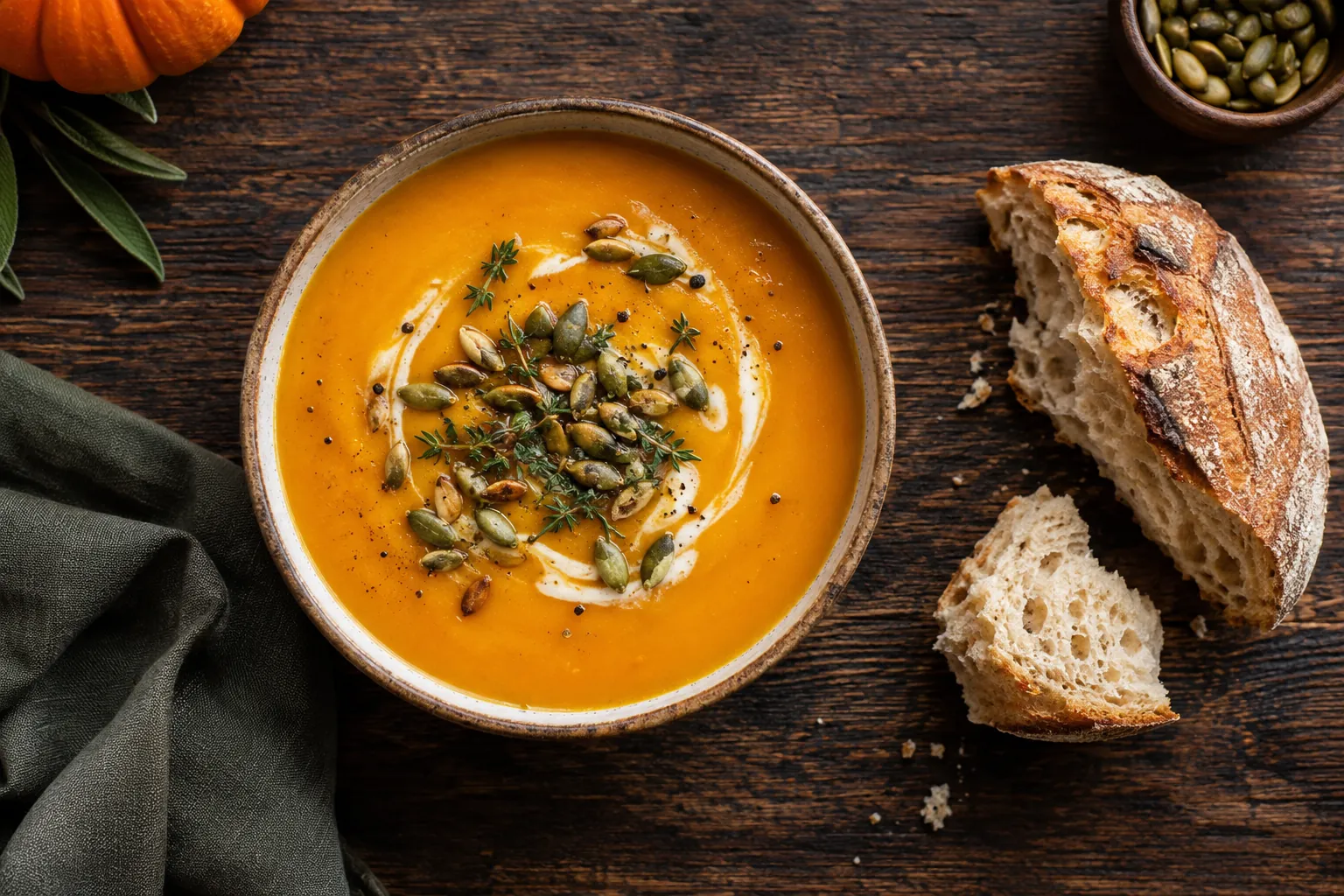
For a smooth pumpkin soup, the most useful trick is to hold back some of the stock. Pumpkin varieties contain different amounts of moisture, and a soup that looks thick before blending can become much looser afterwards. Cook the vegetables in the initial liquid, blend them, then decide how much more stock the finished soup needs.
This recipe makes four moderate portions. Allow about 15 minutes for preparation and 30–35 minutes for cooking, with the vegetables’ tenderness determining the actual time. You need a saucepan with room for safe stirring, a knife and board, and a suitable blender. Bread or a separate dish can turn the soup into a larger meal.
Ingredients for four portions
- 800 g pumpkin flesh, weighed after removing skin and seeds
- 200 g peeled potato
- 1 medium onion
- 2 garlic cloves
- 2 tablespoons neutral cooking oil, about 30 ml
- About 800 ml vegetable stock, divided into 600 ml and a reserved 200 ml
- 100 ml plain pouring cream
- Salt and ground black pepper, added after tasting
- Optional: 1 teaspoon finely grated fresh ginger
- Optional for serving: pumpkin seeds, bread or a little lemon juice
The weights of pumpkin and potato refer to prepared ingredients. If you weigh a whole pumpkin with its skin and seed cavity, the amount reaching the saucepan will be smaller. Prepare a little extra vegetable when shopping, then use the actual cleaned weight at the cooking stage.
Use stock whose flavour you like without additional seasoning. A strongly seasoned stock can dominate the pumpkin, and a salty stock leaves less room for adjustment. If using a concentrate, prepare it according to its instructions before measuring the liquid. Do not assume every stock cube is intended for the same volume.
Prepare the vegetables before heating the pan
Place the pumpkin securely on the board and work in manageable sections. Remove the skin and seed cavity, then cut the flesh into pieces about two centimetres across. Peel and cut the potato into similarly modest pieces. Exact cubes are unnecessary; the objective is to avoid very large pieces remaining firm while tiny ones have already broken down.
Chop the onion and garlic separately because they enter the saucepan at different times. Measure the initial 600 ml stock and keep the remainder nearby. If using ginger, grate it now. Having these tasks finished prevents the onion from catching while you search for a measuring jug or try to deal with the pumpkin.
Choose a pan large enough to leave space above the food. It should not be filled close to the rim, especially if you intend to use a stick blender in it. Read the blender’s instructions before cooking if you have not used it for hot soup before.
Cook the base and soften the vegetables
- Heat the oil over a moderate heat. Add the onion and cook gently for about 5 minutes, stirring, until softened without a dark crust. Lower the heat if it starts to colour too quickly.
- Add the garlic and optional ginger. Stir briefly, about 30 seconds, so they mix with the onion without burning. Add the prepared pumpkin and potato.
- Pour in 600 ml stock, bring to a simmer and cook with the lid partly covering the pan. Stir occasionally and check that there is enough liquid to prevent sticking; add a little reserved stock if necessary.
- After about 20–25 minutes, test several vegetable pieces with a fork. They should be soft enough to crush easily. If a piece still has a firm centre, continue cooking and test again rather than moving straight to blending.
- Take the pan off the heat. Blend carefully with equipment suitable for the temperature, then stir in the cream. Add reserved stock gradually until the texture suits you. Return to the heat, warm through gently and taste before seasoning.
The cooking time is a guide, not a guarantee for every pumpkin or saucepan. Keep the simmer controlled instead of using vigorous boiling to force a deadline. If liquid is disappearing quickly, check the heat and lid position before simply pouring in all the stock you had intended to reserve.
Blend safely and stop when the texture is smooth
For a stick blender, follow the appliance’s instructions and keep the blade head below the liquid while it runs. Stop it before lifting it out. Work steadily through the pan rather than pumping it up and down, which can send hot soup towards your hands or the worktop.
A jug blender is a different setup. Use hot liquid only if the manufacturer explicitly permits it, observing the stated temperature, filling and venting instructions. Do not put hot soup into a sealed personal blending cup. If your appliance requires cooled ingredients, allow for that step and reheat the soup appropriately afterwards.
Once smooth, stop blending. The potato is there to support the texture, so there is no need to keep processing a finished purée. If you prefer a less uniform soup, stop earlier or reserve some fully cooked pieces before blending, then return them after the main mixture is smooth.
Adjust thickness in small steps
Lift a spoonful and let it flow back into the pan. Decide whether you want a soup that pours easily or one that sits more thickly in the bowl. Add the reserved stock a little at a time, stir fully and assess again. You may not need every millilitre, and a particularly dry pumpkin may need a little more liquid.
If you have already made it too thin, simmer the soup gently without a lid, stirring so it does not catch. This takes time and also concentrates seasoning, which is why final salt belongs near the end. Do not add uncooked flour directly to the finished soup as a quick fix; it can form lumps and needs proper cooking.
For a very thick cooled portion, add a small amount of stock or water during reheating. Adjust that portion rather than thinning the entire batch before storage. This is especially useful when different people prefer different consistencies or when the soup will accompany bread on one day and another dish on the next.
Balance the flavour without hiding the pumpkin
First taste the warm soup after adding cream. Then decide whether it needs salt, pepper or a small amount of brightness. If using lemon juice, try a few drops in a spoonful before adding it to the whole saucepan. A small test makes it easier to judge the direction without committing every portion.
Ginger provides a different flavour profile, so keep it optional on the first attempt. Avoid adding several strong spices at once if you want to understand the base recipe. Make one change, taste, and note the amount. The next batch then starts with a useful record rather than a memory of several unmeasured additions.
For a plant-based version, use suitable vegetable stock and an unsweetened plant-based cream intended for cooking. Check the actual ingredients and any allergy requirements rather than treating “plant-based” as a universal suitability claim. Different products vary in thickness and flavour, so add them with the same gradual approach.
Serve with a contrasting texture
Add pumpkin seeds or bread immediately before serving so they keep their texture. Keep toppings in separate dishes if the group has different preferences or ingredient restrictions. A small garnish is often enough; covering the surface with many additions can make the soup harder to eat rather than more interesting.
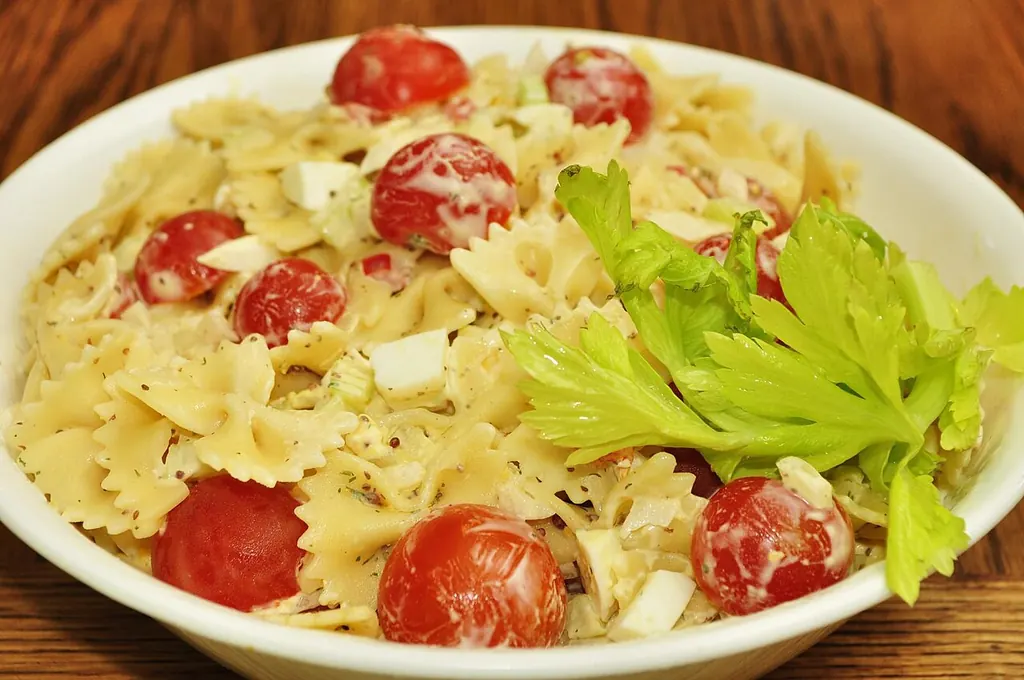
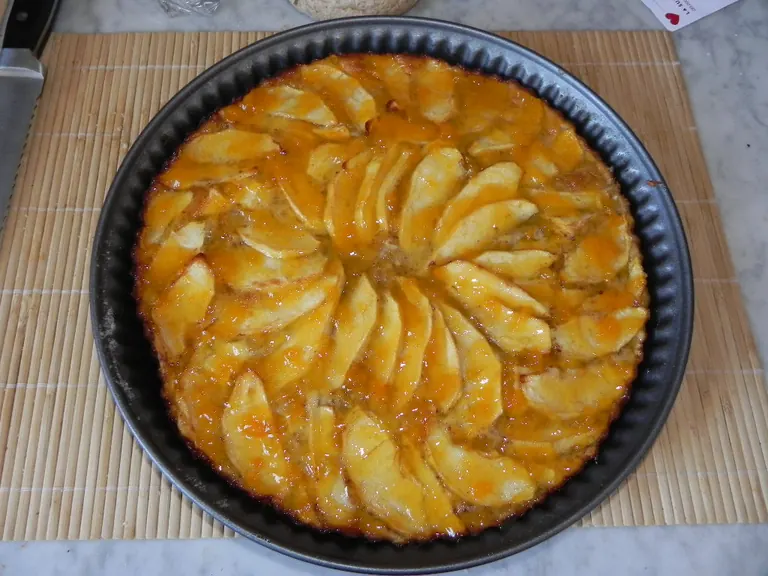
For a two-part meal, pair smaller soup portions with the vegetable pasta salad. If preparing a simple autumn menu, the apple and cinnamon cake offers a separate baking task you can complete before starting the soup. Plan the order so the hot dish receives attention just before eating.
Cool, store and reheat only what you need
Food Standards Agency guidance advises dividing cooked food for faster cooling, refrigerating within two hours and using leftovers within 48 hours or freezing them. Portion the soup rather than leaving a deep saucepan on the counter for the evening.
Label containers with the cooking date and the contents. Keep toppings separate. For freezing, use suitable containers with space appropriate to the container instructions, and thaw in the refrigerator. Take out the number of portions you expect to use instead of repeatedly warming and cooling the entire batch.
Reheat while stirring so the temperature is even. FoodSafety.gov lists 74°C for reheated leftovers; check with a suitable food thermometer. Add any final texture adjustment during this stage, then serve. A record of the pumpkin used and the final stock quantity will help you reproduce the consistency you liked.