Vegetable pasta salad: a simple base recipe
Pasta salad works best with firm pasta and enough dressing. Taste it again after chilling because the pasta absorbs liquid.
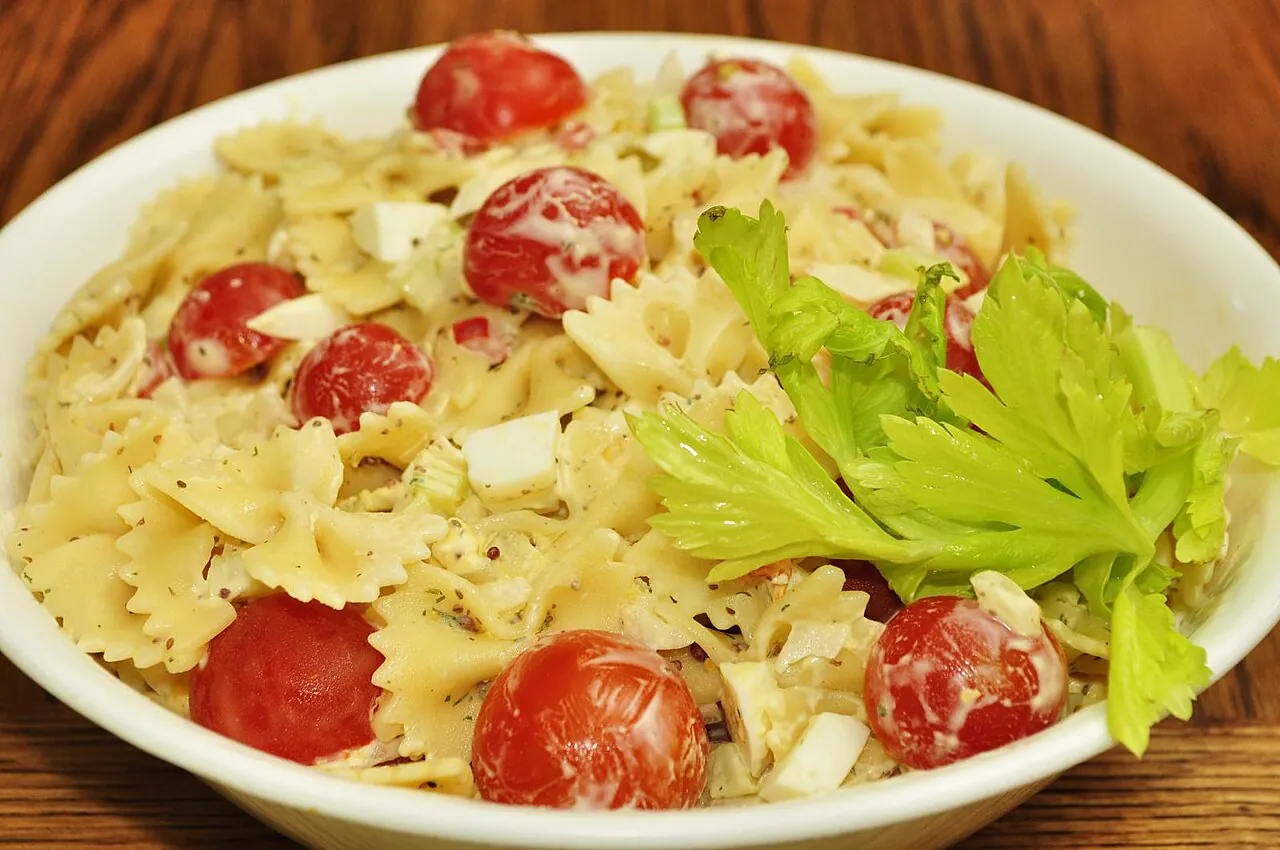
Vegetable pasta salad is easiest to control when the pasta, vegetables and dressing are prepared separately. Cool the pasta, drain watery ingredients and keep a little dressing back for the final adjustment. These steps address the two common disappointments: a watery bowl with diluted flavour and a dry salad that absorbed all its dressing before serving.
The quantities below make four moderate meal portions or around six smaller side portions. Allow about 25–30 minutes of active preparation, plus time to cool and chill the ingredients. Packet cooking times vary, so the pasta’s instructions take priority over a single universal boiling time.
Ingredients
- 250 g dried short pasta
- 200 g cherry tomatoes
- Half a long cucumber, about 150 g prepared cucumber
- 150 g canned sweetcorn, weighed after draining
- A small handful of fresh herbs, such as dill or parsley
- 150 g plain unsweetened yoghurt
- 2 tablespoons mayonnaise
- 1 teaspoon mustard
- 1 teaspoon lemon juice
- Salt and ground pepper to taste
- Optional: about 75 g diced cheese
Choose pasta shapes that are easy to lift with the vegetables, such as small spirals or short tubes. Very large shapes can dominate a spoonful, while very delicate ones may break during mixing. You do not need several different pasta types; using one keeps cooking and texture easier to judge.
The sweetcorn weight is the drained contents, not the total weight of the unopened tin. Check the label before buying if you want to avoid leftovers from a second tin. Keep yoghurt plain and unsweetened: a dessert yoghurt changes the dressing in a way that extra mustard cannot reliably undo.
Cook pasta that remains pleasant after chilling
Bring a suitable pan of water to the boil and cook the pasta according to its packet. Taste a cooled sample near the expected finish. It should be fully cooked but still hold its shape, without a hard or chalky centre. Deliberately leaving it undercooked is not the same as preventing a mushy salad.
Drain promptly. For this cold salad, a brief rinse with clean cold drinking water can stop the immediate cooking and help remove excess surface starch. Drain thoroughly afterwards. Water trapped in the pasta’s curves will otherwise join the dressing and make it difficult to understand why the finished salad is thin.
Spread the pasta in a shallow clean container so it can cool promptly, then refrigerate. FDA handling guidance calls for prompt refrigeration of perishables, within two hours, or one hour in temperatures above 32°C. Do not leave a deep bowl on the counter while moving on to unrelated household tasks.
Prepare vegetables with moisture in mind
Wash the tomatoes, cucumber and herbs, then dry them. Halve the cherry tomatoes, or quarter larger ones. Cut the cucumber into pieces that fit comfortably with the pasta. If its centre is particularly watery, remove some of that seed core before cutting. The purpose is texture control, not a requirement to hollow out every cucumber.
Drain the sweetcorn well and keep the vegetables chilled while the pasta cools. Wet ingredients and dressing should not be combined merely because you have finished chopping. Taking a moment to let excess liquid drain usually saves more effort than trying to rescue the entire bowl later.
If substituting frozen corn, follow its cooking instructions before cooling it for the salad. Food Standards Agency guidance notes that frozen vegetables intended for cold dishes may still require cooking. Thawing and cooking are not interchangeable steps. The canned ready-to-eat corn in the base recipe avoids that extra preparation.
Mix and taste the dressing separately
Stir together the yoghurt, mayonnaise, mustard and lemon juice in a small bowl. Taste with a clean spoon before adding salt or pepper. Different mayonnaise and mustard products vary in seasoning, so the listed starting amounts are more useful than an automatic large pinch of salt.
Keep roughly a quarter of the dressing in a separate covered container in the refrigerator. Add the rest during assembly. This reserve gives you a way to refresh the texture after chilling without guessing a new ratio of yoghurt and mayonnaise when guests are already ready to eat.
If the first taste seems sharp, try a little dressing with a piece of the cooled pasta before changing it. A sauce tasted alone can seem more intense than the same sauce spread across a full salad. Adjust gradually and keep track of any addition so the next batch is easier to reproduce.
Assemble without crushing the ingredients
- Put the cooled pasta, drained corn and prepared cucumber in a roomy bowl. If using cheese, add the measured cubes now.
- Add about three-quarters of the dressing and fold through with a broad spoon. Lift from underneath instead of repeatedly pressing down on the pasta.
- Fold in the tomatoes gently. If preparing for the next day, keep them separately chilled and add them nearer serving time to limit released juice in the stored salad.
- Cover and refrigerate until properly chilled. Before serving, stir gently, taste and add the reserved dressing as needed. You may not need all of it.
- Add the chopped herbs near serving time and check that the dressing is distributed through the whole bowl, including the bottom.
A larger bowl than the final serving dish makes this job easier. Once the mixture is ready, transfer only the amount you intend to put on the table. This also lets you keep the remainder chilled without repeatedly returning a large serving bowl to the refrigerator.
Troubleshoot a watery or dry result
If liquid collects at the bottom, look first at draining and timing. Was the corn wet? Did the pasta hold rinsing water? Were tomatoes mixed in long before serving? Adding more mayonnaise may make the top of the salad richer without removing the water underneath it.
For a small amount of excess liquid, gently lift the salad into another clean bowl, leaving the loose liquid behind, then reassess the dressing. Do not rinse the dressed salad. On the next attempt, change the relevant preparation step rather than doubling every thick ingredient.
If the pasta seems dry after chilling, add a little reserved dressing and fold it through. Wait briefly and judge a complete spoonful containing both pasta and vegetables. A salad can look less glossy when cold without actually needing a large quantity of extra sauce.
If the flavour seems flat, taste before adding anything. It may need a modest adjustment of salt, pepper, mustard or lemon, but choose one at a time. A strong new ingredient should improve the whole dish rather than disguise an underlying texture problem you have not identified.
Adapt the bowl to the occasion
Keep the base recognisable when changing ingredients. Diced cheese adds another flavour and texture; it does not require adding several meats and pickles at the same time. If serving alongside another substantial dish, make smaller salad portions instead of increasing the bowl until it becomes difficult to keep chilled.
For a plant-based variation, select suitable egg-free mayonnaise and unsweetened plant-based yoghurt, omit dairy cheese and check the pasta and other labels. Ingredient names alone do not establish suitability for every dietary requirement. A gluten-free pasta also needs its own packet cooking guidance and may behave differently after chilling.
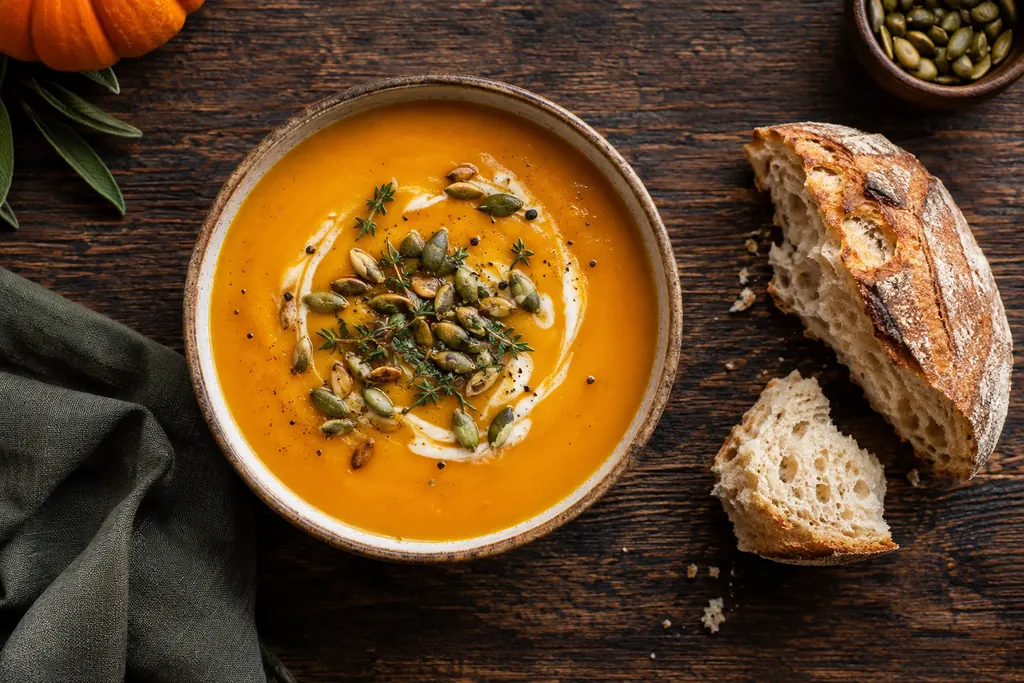
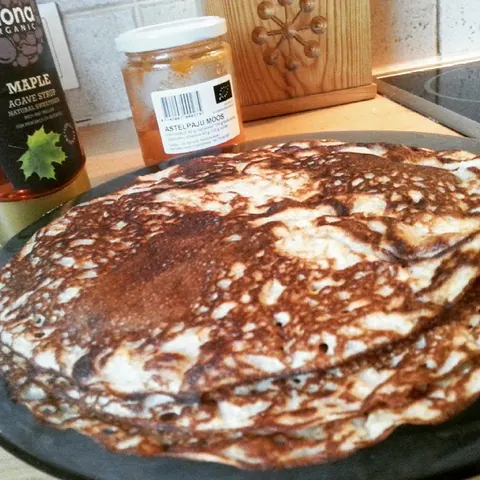
For a simple menu, serve the salad with pumpkin soup in smaller portions, or keep thin pancakes as a separate later dish. Do not mix every recipe into one meal automatically. Choose what you can prepare, chill and serve comfortably with the equipment you have.
Keep it cold during transport and serving
FDA picnic guidance recommends cold storage with ice or frozen packs at about 4°C or below. Perishable food left without temperature control for over two hours, or one hour above 32°C, should be discarded. Shade alone is not a substitute for keeping the salad cold.
Use a closed container in an insulated cooler with adequate cooling packs. Put the serving spoon in a clean separate place and take out only the amount needed at a time. For a picnic involving a long walk, consider whether you can maintain the required conditions for the whole journey before choosing this dish.
The FoodSafety.gov storage chart lists three to four days for refrigerated macaroni salads at 4°C or below. Earlier ingredient limits and any loss of cold storage take precedence. For the best texture, planning to eat this vegetable version on the preparation day or the next day is a practical choice; freezing the assembled salad is not a useful way to preserve its fresh vegetables and dressing.